Electric Fence Height and Wire Count by Animal
Electricercas team · October 6, 2026 · 7 min read
Key takeaways
- Main wire at two thirds of the animal's height
- Smaller animals need more wires, closer to the ground
- Wool and thick hair need higher voltage
- Dry soil: alternate live and ground wires
- Size the energizer by total wire length
Before you buy a single roll of wire, one question shapes the whole electric fence: which animal are you trying to keep in, or keep out? The number of wires and the height you set them at depend on the animal's size, its behavior, whether it has hair, wool or thick hide, and whether you are containing livestock or excluding predators. A well-planned fence uses less material, needs less maintenance and, above all, trains animals to respect it from day one. This guide gives you reference heights by species, the reasoning behind them and the mistakes we see most often on working farms.
Why height matters more than wire count
An electric fence is not a physical barrier. It is a psychological one. Animals respect it because they get a short, unpleasant shock when they touch it with a sensitive spot, usually the nose, muzzle or face. That means the wire has to sit right where the animal explores with its nose.
- Set the wire too high and animals duck under it, especially calves, pigs, sheep and dogs.
- Set it too low and they step on it, jump it or touch it with the chest or legs, where hair and hide insulate far more.
- Use too few wires for small stock and they find the gap, learn to escape and become very hard to retrain.
The working rule is to place the main wire at roughly two thirds to three quarters of the animal's height at the withers (the top of the shoulders, just behind the neck). That is where the nose meets it as the animal walks forward.
Reference chart: wires and heights by species
Heights are approximate and measured from the ground. Adjust for breed, age and terrain.
| Animal | Recommended wires | Approximate heights from ground | Suggested minimum line voltage |
|---|---|---|---|
| Adult cattle (beef or dairy) | 1 to 2 | 30–36 in / 75–90 cm (one wire); 20 in / 50 cm and 36–40 in / 90–100 cm (two wires) | 3,000–4,000 V |
| Cows with calves | 2 to 3 | 16, 28 and 40 in (40, 70, 100 cm) | 3,000–4,000 V |
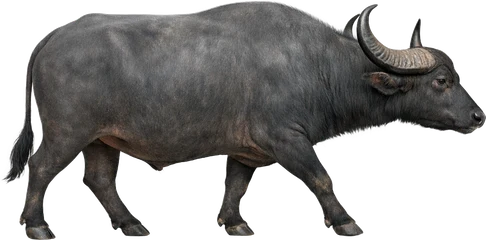
| Water buffalo | 2 to 3 | 24, 36 and 48 in (60, 90, 120 cm) | 4,000–5,000 V |
| Horses | 2 to 3 | 24–28, 40 and 52–60 in (60–70, 100, 130–150 cm) | 2,000–3,000 V |
| Pigs | 2 | 6–8 in and 16–20 in (15–20 cm, 40–50 cm) | 2,000–3,000 V |
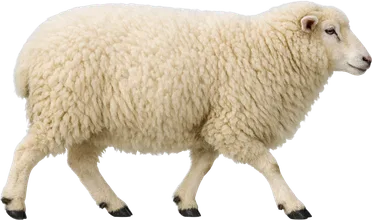
| Sheep | 3 to 5 | 6, 12, 20, 28 and 36 in (15–90 cm) | 4,000–5,000 V |
| Goats | 4 to 5 | 6, 12, 20, 30 and 40–44 in (15–110 cm) | 4,000–5,000 V |
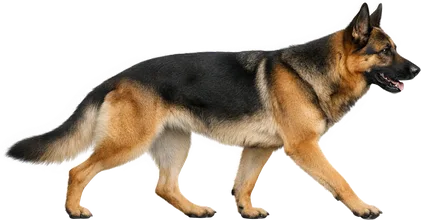
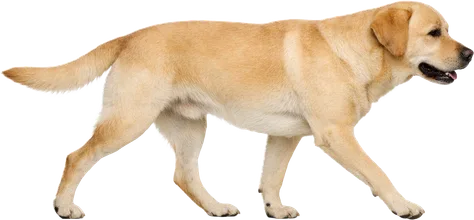
| Dogs, coyotes, foxes (exclusion) | 3 to 5 | 4, 8, 14, 20 and 32 in (10–80 cm) | 4,000–6,000 V |
There is a clear pattern: the smaller and more agile the animal, the more wires you need and the closer to the ground the fence must start. The more hair or wool it carries, the more voltage you need to push the pulse through that insulation.
How to think about each animal
Cattle
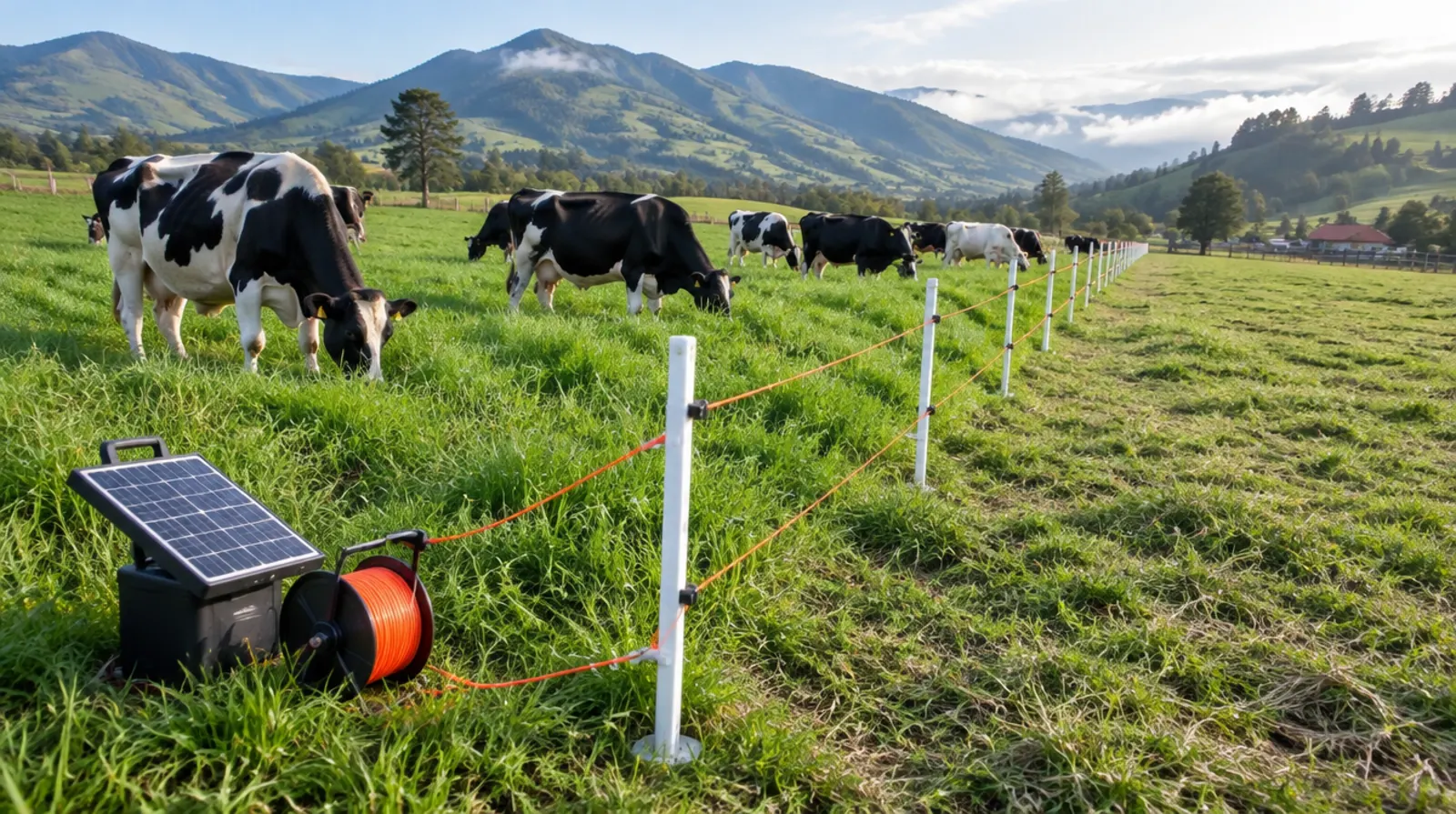
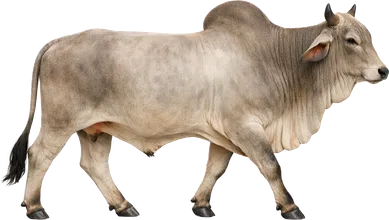
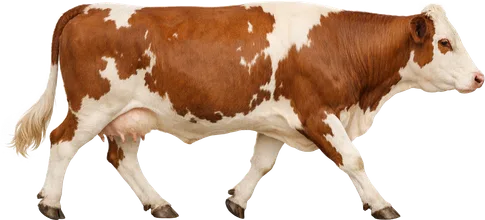
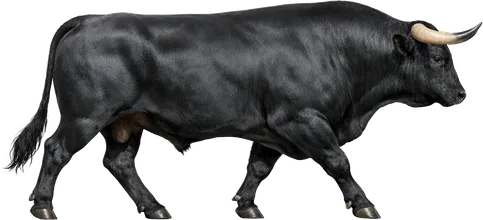
Mature cattle are the easiest case. In rotational paddocks with trained cows, a single wire at about 32 inches (80 cm) usually does the job. For boundaries and road frontage, where an escape costs more, run two wires: the bottom one at about 20 inches (50 cm) stops calves, and the top one at 36–40 inches (90–100 cm) holds the adults. Bulls or very active Zebu-type cattle justify a third wire on top. We go deeper in our guide to the electric fence for cattle.
Horses
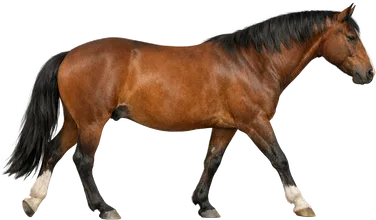
Horses are tall, flighty and can get hurt if they cannot see the fence. Use polytape or polyrope instead of thin wire and keep the top strand above 52 inches (1.3 m). They need less voltage than cattle because their skin is sensitive, but they need visibility. See our electric fence for horses guide.
Pigs
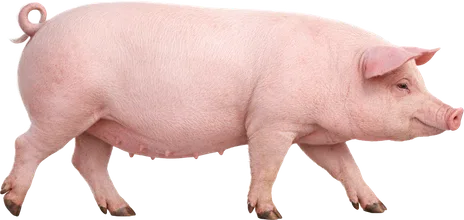
Pigs explore with their snouts on the ground and tend to root underneath. That is why their wires sit very low. The bottom wire at 6–8 inches (15–20 cm) does the work; raise it to 12 inches and the pig walks under it. Keep the line clear of turned soil and weeds, because a pig can bury the wire and short out the fence.
Sheep and goats
These are the hardest to fence. Sheep wool is an excellent insulator, so the pulse has to be strong and the wires close together so the animal touches them with its face. Goats try to squeeze between wires or jump, so they need more height and tight spacing near the ground. More detail in electric fence for pigs, sheep and goats.
Predators and dogs
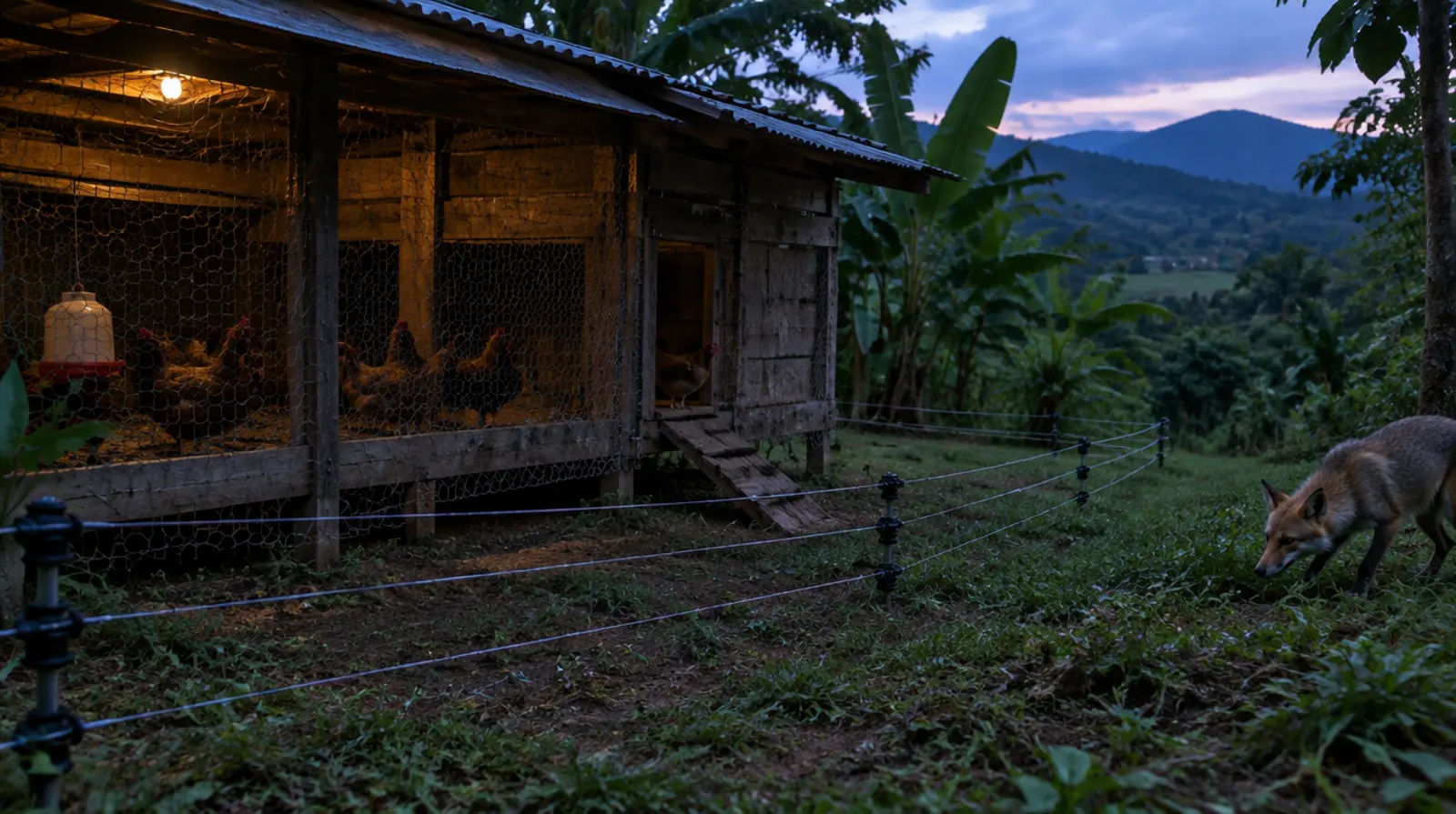
When the goal is keeping something out, the design flips. The bottom wires sit close to the ground because dogs, coyotes, foxes and raccoons try to go under or dig. Some farmers add an offset wire about 8–12 inches (20–30 cm) outside the main fence at low height.
Wire spacing: the golden rule
Spacing gets tighter near the ground and wider toward the top. The bottom is where small animals look for a way through; up top you only need to stop large animals from jumping or leaning.
- Measure the withers height of the smallest animal you must hold.
- Set the bottom wire at a height that animal cannot crawl under (6–8 inches for pigs and sheep).
- Set the main wire at about two thirds of the height of the largest animal.
- Space the middle wires with gaps that increase from bottom to top.
- Check that no gap is wider than the head of the smallest animal.
- After installation, measure voltage at the far end of the fence with a fence tester.
All-live versus live-and-ground systems
In damp soil, which describes many grazing regions during the rainy season, every wire can be energized (all-live). The animal touches the wire, the current travels through its body into the soil and back to the energizer's ground rods.
In dry, sandy or rocky soil, the ground conducts poorly and the shock weakens. Alternating live and ground wires works better there: when the animal touches a hot wire and a ground wire at the same time, the circuit closes without depending on the soil. This is especially useful for sheep and goats standing on dry grass with wool insulating them.
| Situation | Recommended system |
|---|---|
| Moist soil, rainy climate | All wires live |
| Dry or sandy soil | Alternating live and ground wires |
| Heavily wooled animals | Live and ground, with a live bottom wire |
| Rocky ground or long dry seasons | Live and ground, plus extra ground rods |
Materials by height and animal
Wire count multiplies your materials: every extra strand means more conductor and one more insulator per post. Calculate before you buy.
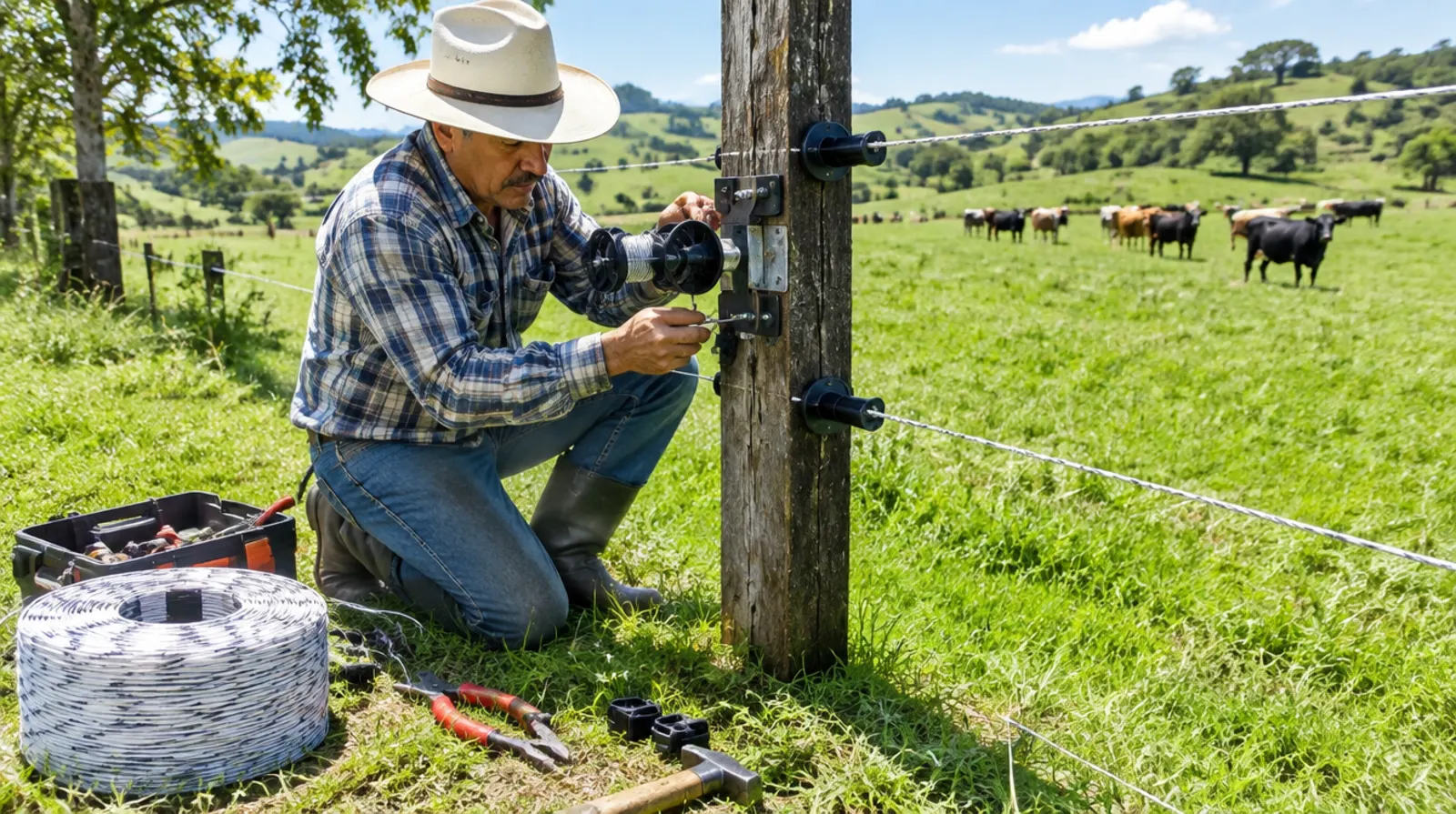
- Galvanized steel or aluminum wire for long cattle fences, offering good conductivity and lifespan. Browse fence and barbed wire.
- Polytape or polyrope for horses and portable fences: more visible and easy to move.
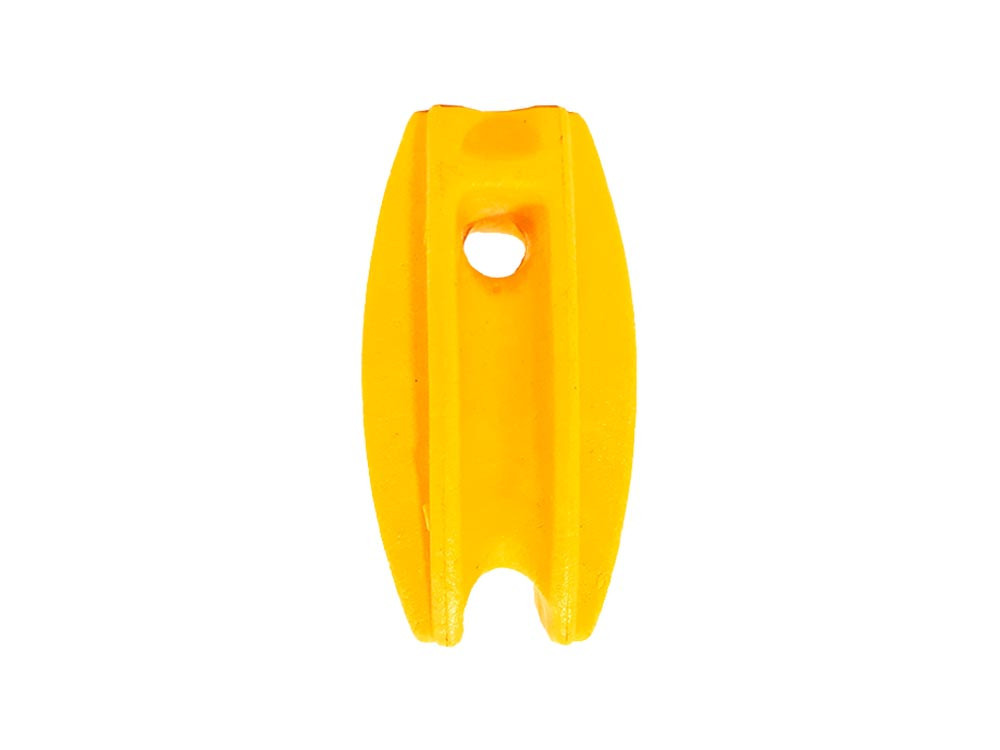
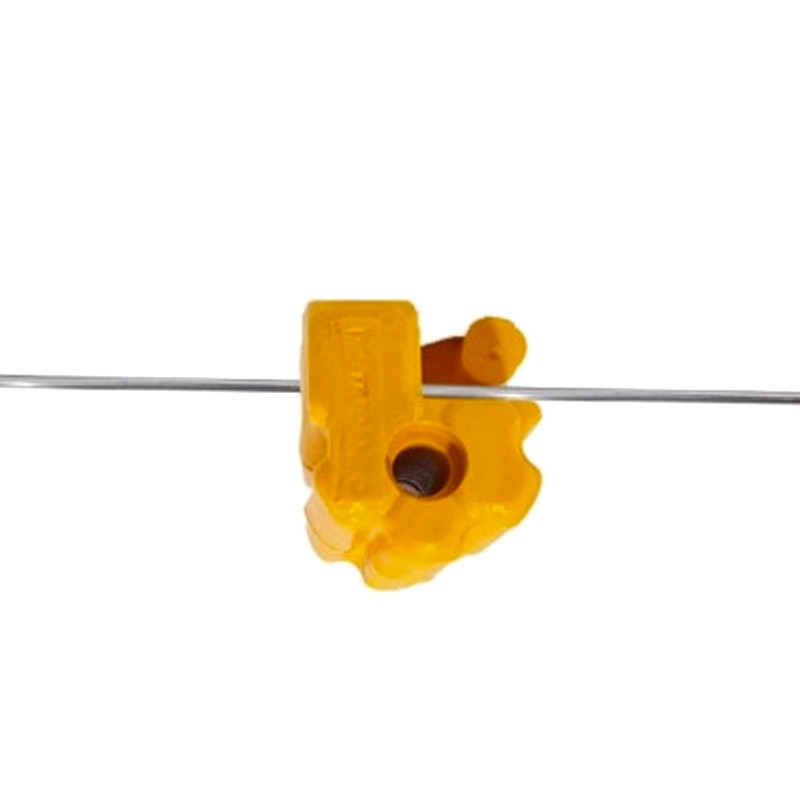
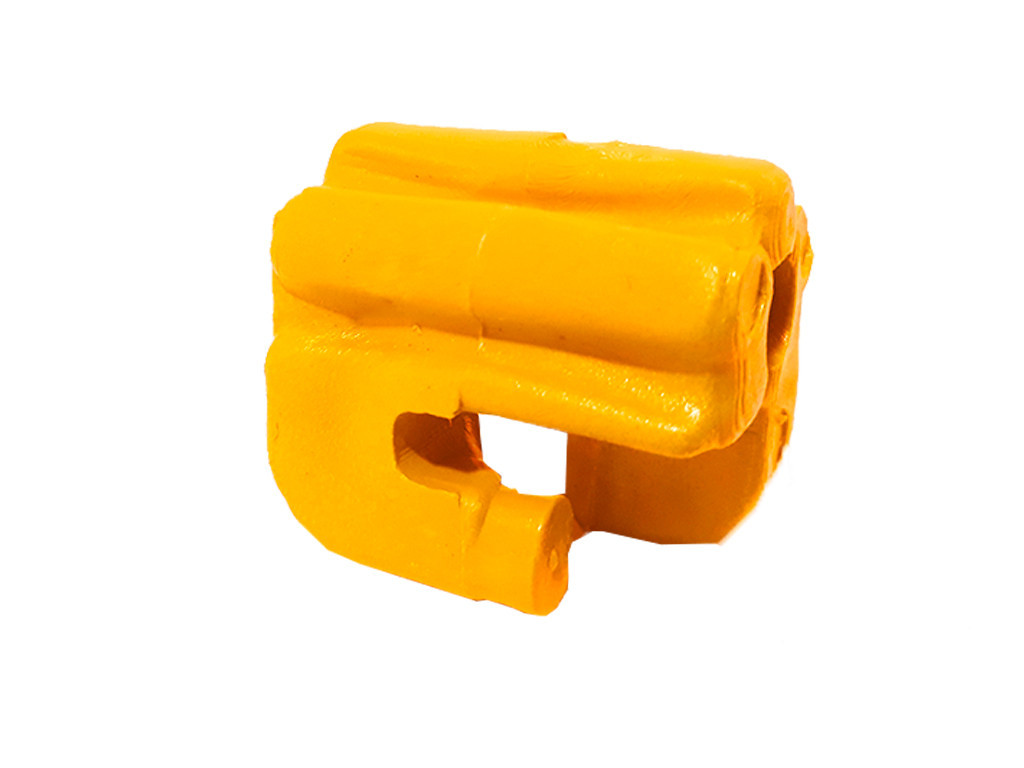
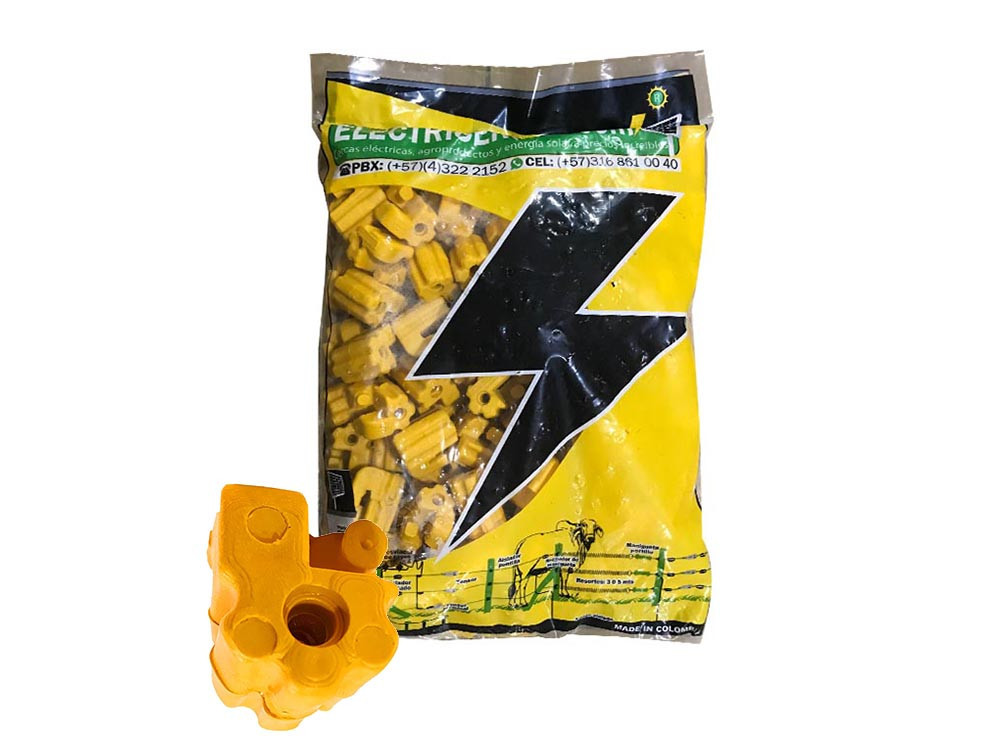
- Insulators rated for the job: corner and line insulators must handle the tension. See electric fence insulators.
- An energizer sized to total wire length, not fence length. Four wires along 1 km (about 0.6 miles) equals 4 km of conductor. Check our energizers and, if you are off-grid, our solar energizers.
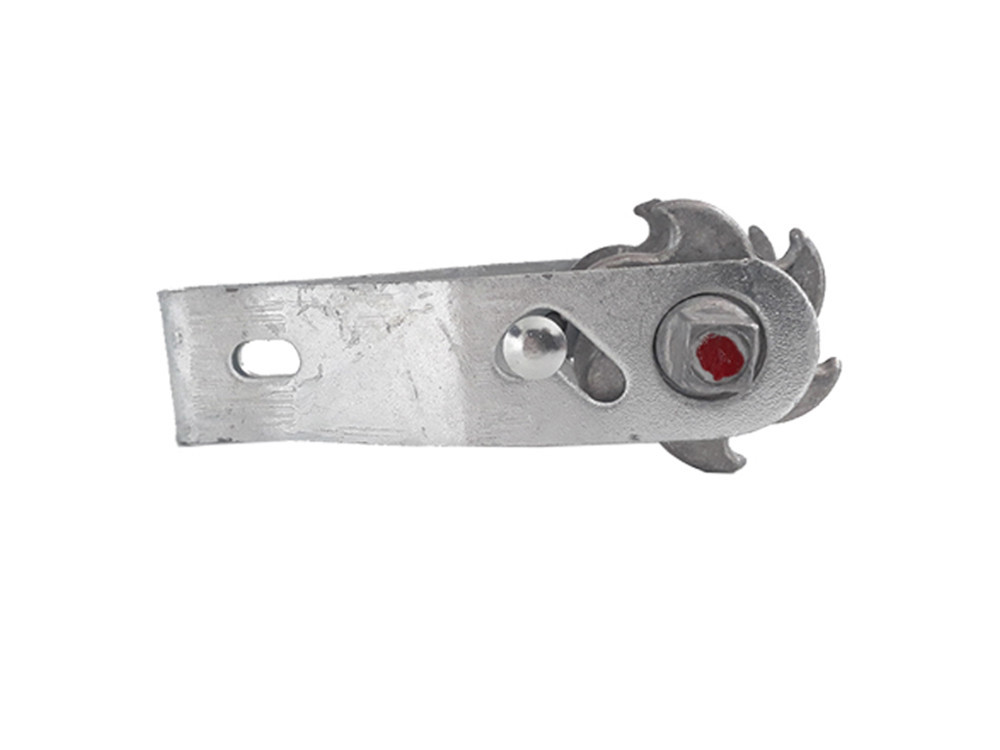
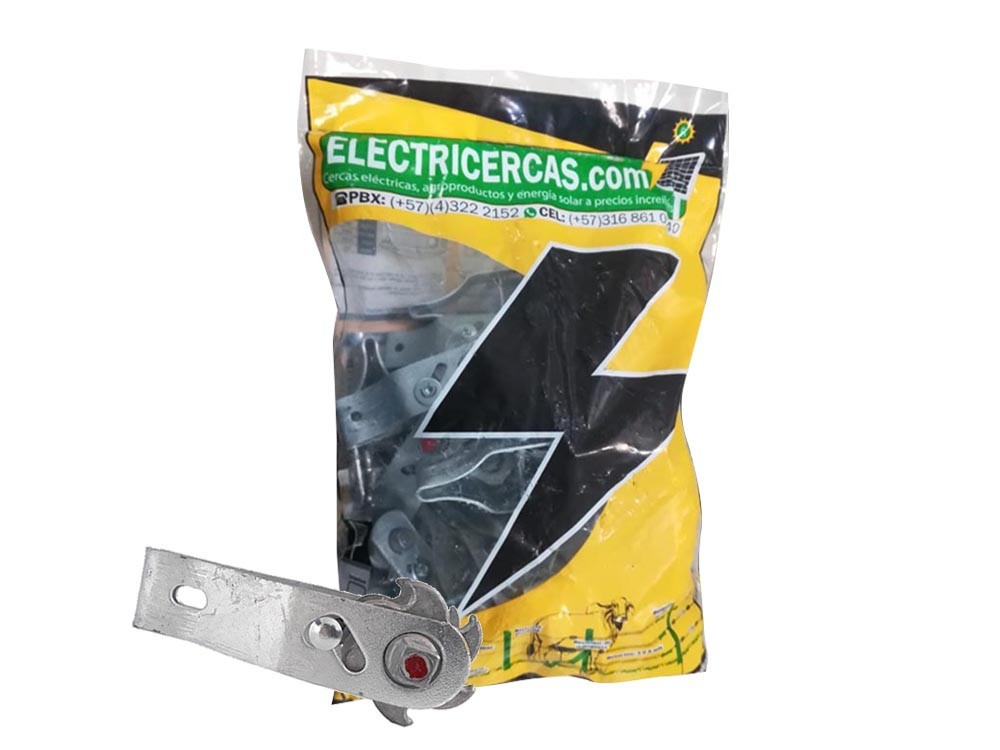
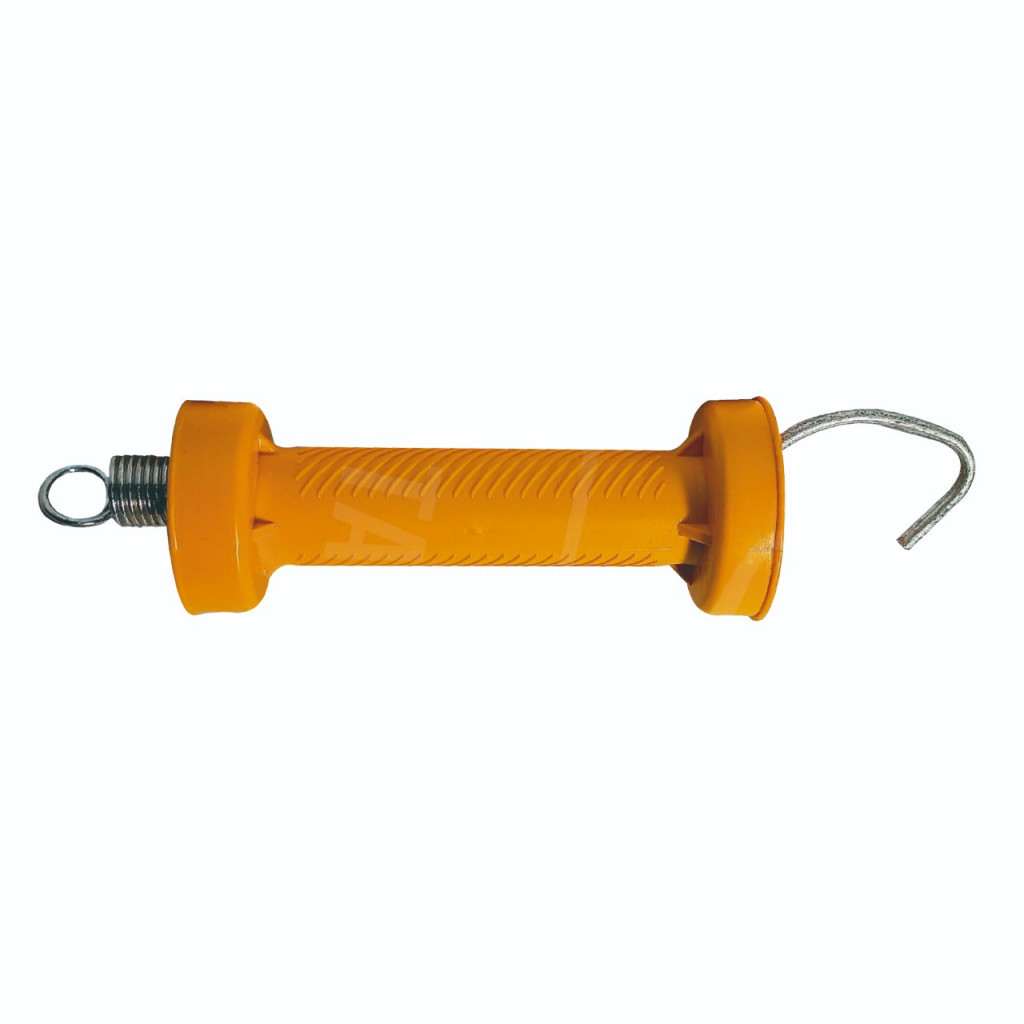
- Accessories such as tensioners, connectors, cut-out switches and a voltmeter in electric fence accessories.
For a quick estimate, the quote calculator works out materials from hectares (1 hectare is about 2.5 acres) and wire count.
Common mistakes we see in the field
- Running a single high wire for every species "because that is how the barbed wire fence was built."
- Forgetting calves and young stock when designing for adults.
- Letting weeds touch the bottom wire, which on low strands can drain the fence within days.
- Sizing the energizer by fence length instead of total wire length.
- Skipping training. For the first few days, put animals in a small pen with a well-charged fence so they learn to respect it.
- Believing more wires make up for low voltage. A five-wire fence at 1,500 V will not hold sheep; a three-wire fence at 5,000 V probably will.
Pre-installation checklist
- I identified the smallest and largest animal in the paddock.
- I set heights and wire count using the reference chart.
- I checked whether my soil is damp or dry to choose all-live or live-and-ground.
- I added up the total wire length to size the energizer.
- I have a plan to control weeds under the bottom wire.
- I have a fence tester to check voltage at the far end.
Step-by-step manuals are in our installation section, and the full electric fence catalog is organized by use.
Plan your fence with Electricercas
Since 2014, from our base in Medellín, Colombia, we have helped farmers design wire count, heights and energizer for every paddock. Use the quote calculator to estimate materials by area, or contact us on WhatsApp at +57 305 453 5264 and tell us which animals you keep and how much fence you need. We ship throughout Colombia and to other countries, so we can get your order to your farm wherever it is.
Frequently asked questions
How many wires does an electric fence for cattle need?
For trained adult cattle, one wire at about 32 inches (80 cm) is often enough for internal paddocks. For boundaries or herds with calves, use two or three wires, with the bottom one around 16–20 inches and the top around 36–40 inches.
How low should the bottom wire be for pigs and sheep?
About 6–8 inches (15–20 cm) off the ground. Any higher and animals crawl under it. Keep weeds under control, because at that height vegetation drains the fence quickly.
Can more wires make up for a weak energizer?
No. Wires close gaps, but the shock is what makes animals respect the fence. Make sure you have adequate voltage at the far end first, then adjust the wire count.
When should I use a live-and-ground wire system?
When the soil is dry, sandy or rocky and conducts poorly, or when fencing heavily wooled animals. Alternating live and ground wires lets the shock get through even when the soil does not help.
Need help with your fence?
We ship worldwide. Message us and an advisor will help you choose the right setup.