Rotational Grazing with Electric Fence: More Forage
Electricercas team · October 15, 2026 · 6 min read
Key takeaways
- Paddocks = rest days ÷ occupation days + 1
- Graze at peak, leave before regrowth
- Fixed perimeter, central lane, portable strips
- Water in every paddock keeps rotation going
- Size the energizer with every division
On many cattle farms, grass does not run short because of a lack of land but because of how it is grazed. Cattle enter a big pasture, eat their favorite plants first, trample the rest and keep coming back to the same regrowth before it has time to recover. Rotational grazing changes that: you divide the area into smaller paddocks, the herd grazes one at a time for a short period, and the rest of the pasture rests until it is ready again. The tool that makes this affordable is the electric fence. This guide explains how to plan the rotation, how many paddocks you need, how to size them and which materials to use so that getting more forage per acre is practical rather than a headache.
What rotational grazing is and why it works
Grass grows in three phases: a slow start after grazing, a period of rapid growth, and a mature phase in which it grows little, becomes fibrous and loses quality. The goal of rotational grazing is to bring animals in when the grass is at its best and take them out before they eat the regrowth.
That brings several benefits that producers and agronomists recognize across a wide range of climates:
- More forage harvested per acre, because cattle graze more evenly and waste less to trampling.
- Better-quality grass, harvested at its highest nutritional value.
- Pasture recovery, because plants have time to rebuild reserves and roots.
- Better manure distribution, fertilizing paddocks more evenly.
- Calmer, easier-to-handle cattle, used to being moved daily or every few days.
Actual results depend on climate, grass species, fertility and management, so start with a simple plan and fine-tune it based on what you see on your own land.
The two numbers that matter: rest and occupation
The whole system comes down to two time periods:
- Rest period: the days a paddock needs to recover before it is grazed again.
- Occupation period: the days the herd stays in each paddock.
The number of paddocks comes from a simple formula:
Number of paddocks = (rest days ÷ occupation days) + 1
| Grass (general reference, warm and tropical regions) | Approximate rest in the growing or rainy season | Approximate rest in the dry or slow season |
|---|---|---|
| Kikuyu (cool highlands) | 30–45 days | 45–60 days |
| Brachiaria species (warm climates) | 25–35 days | 35–50 days |
| Stargrass / Bermuda types | 25–35 days | 35–45 days |
| Guinea grass / Mombasa | 30–40 days | 40–55 days |
These ranges are indicative; temperate pastures such as fescue or ryegrass follow their own seasonal patterns. The best signal is always the plant: many graziers use entry and exit grass height or the number of new leaves per tiller. Watch your pastures and adjust.
Worked example
Say your grass needs 35 days of rest and you want to move the herd every day:
- Paddocks = (35 ÷ 1) + 1 = 36 strips.
If you prefer to move every 3 days:
- Paddocks = (35 ÷ 3) + 1 ≈ 13 paddocks.
The shorter the occupation period, the more paddocks you need, the better the utilization and the more daily work. Many producers start with 2 to 4 day moves and, as they gain confidence, switch to daily strips with portable fencing.
Designing paddock divisions with electric fence
The big advantage of electric fencing in rotation is that it lets you combine permanent lines with portable divisions.
Recommended layout
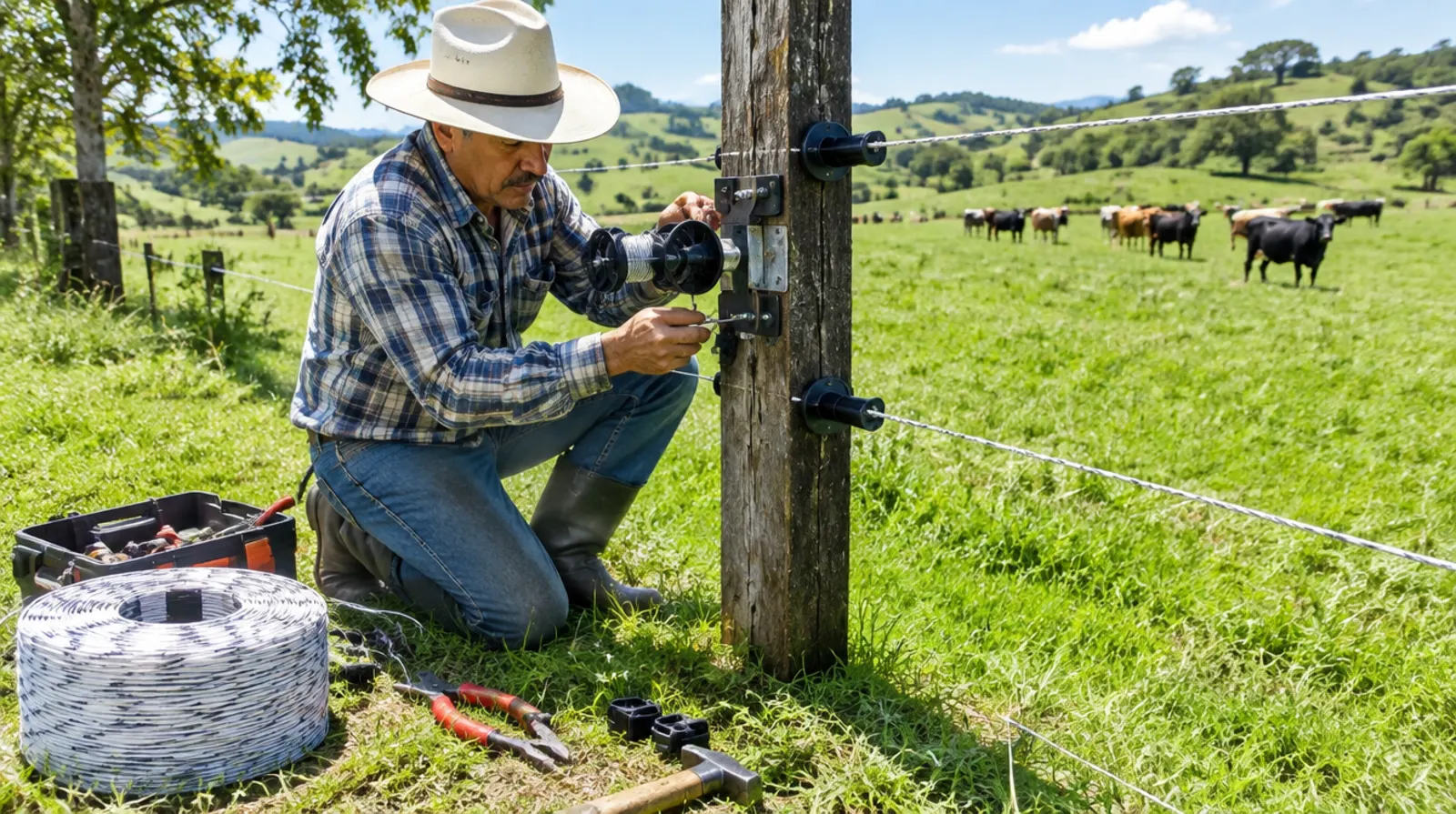
- Permanent perimeter fence: two or three strands of galvanized wire, well insulated and properly grounded.
- Central lane: a permanent alley linking every paddock to water and the handling pens. It keeps cattle from trampling resting paddocks on the way to drink.
- Main permanent divisions: a single wire separating large blocks.
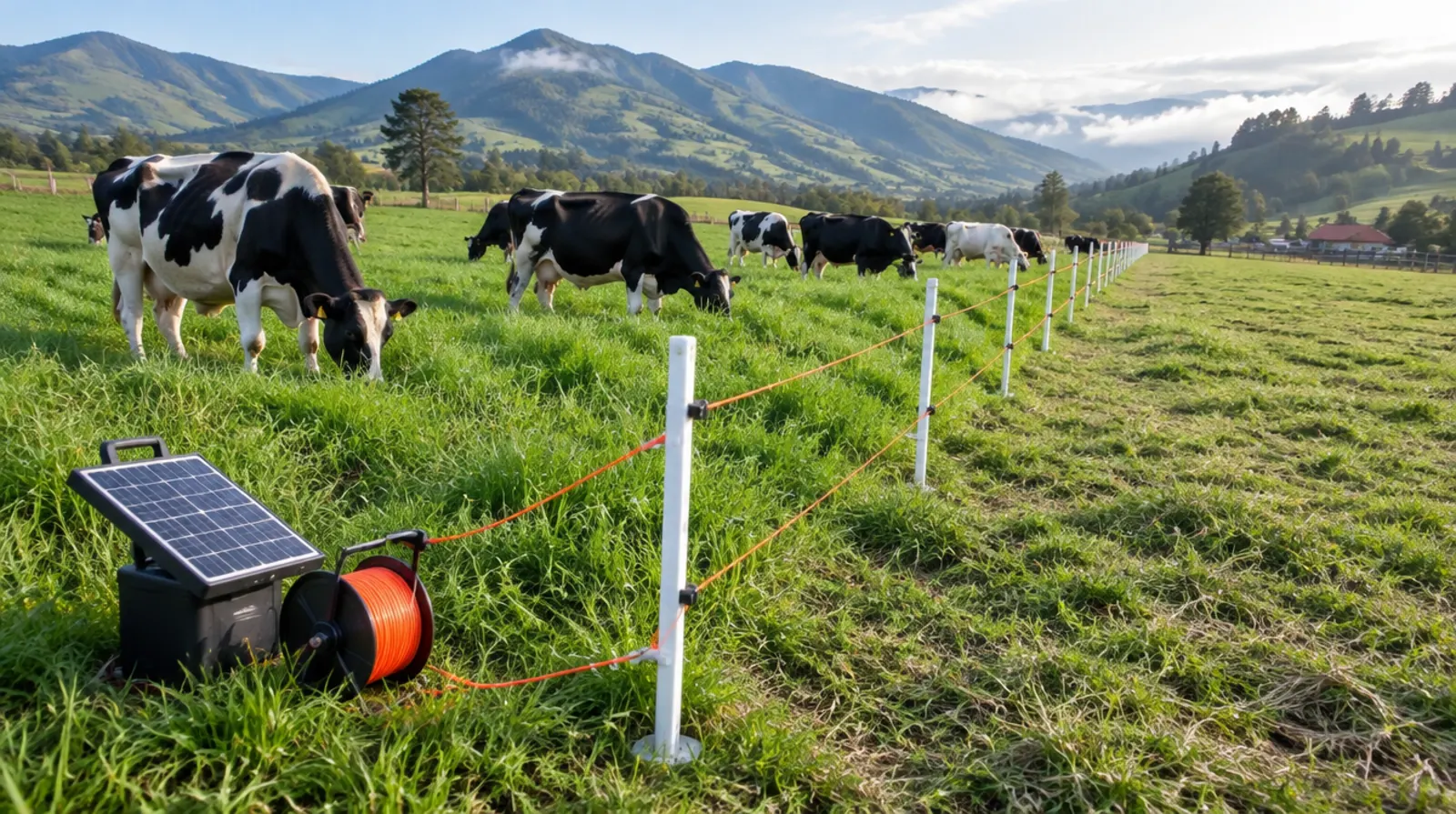
- Portable strips: polytape or polyrope on reels with plastic or fiberglass step-in posts, moved daily or every few days within each block.
For trained adult cows, internal divisions usually work with a single strand at about 32 inches (80 cm). Add a lower strand when calves are present. More on this in electric fence for cattle.
Water and shade
Water is the factor that complicates rotation the most. Ideally every paddock has access to a trough, either permanent along the lane or portable on a hose. If cattle have to walk far to drink, they lose grazing time and wear down trails. In hot climates, also plan for shade: a treeless paddock in the heat reduces intake during the hottest hours.
Sizing each paddock
Paddock size depends on how much forage is available and how much the animals eat. A practical method:
- Estimate the herd's daily intake: as a general reference, cattle eat roughly 2.5 to 3 % of their body weight in dry matter per day.
- Estimate available forage per square meter or square yard: clip grass inside a 1 m² (about 10.8 sq ft) frame at several spots, weigh it and average the results.
- Divide the herd's total intake by the usable forage per unit area.
- Multiply by the number of occupation days.
Repeat the forage measurement regularly, because available forage changes a lot between wet and dry seasons. Adjusting strip size is exactly what portable fencing makes easy: move a few posts a few yards and you are done.
Materials for a rotational grazing system
| Component | Use | Where to find it |
|---|---|---|
| Galvanized steel or aluminum wire | Perimeter, lane and permanent divisions | Fence and barbed wire |
| Polytape or polyrope with reel | Portable strips | Electric fences |
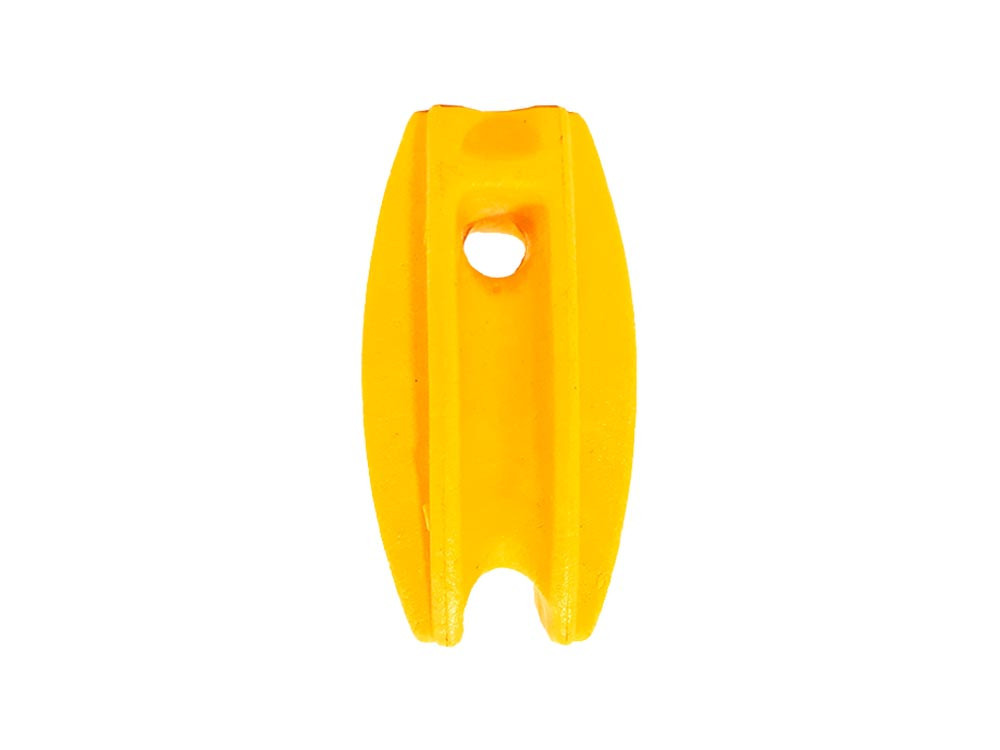
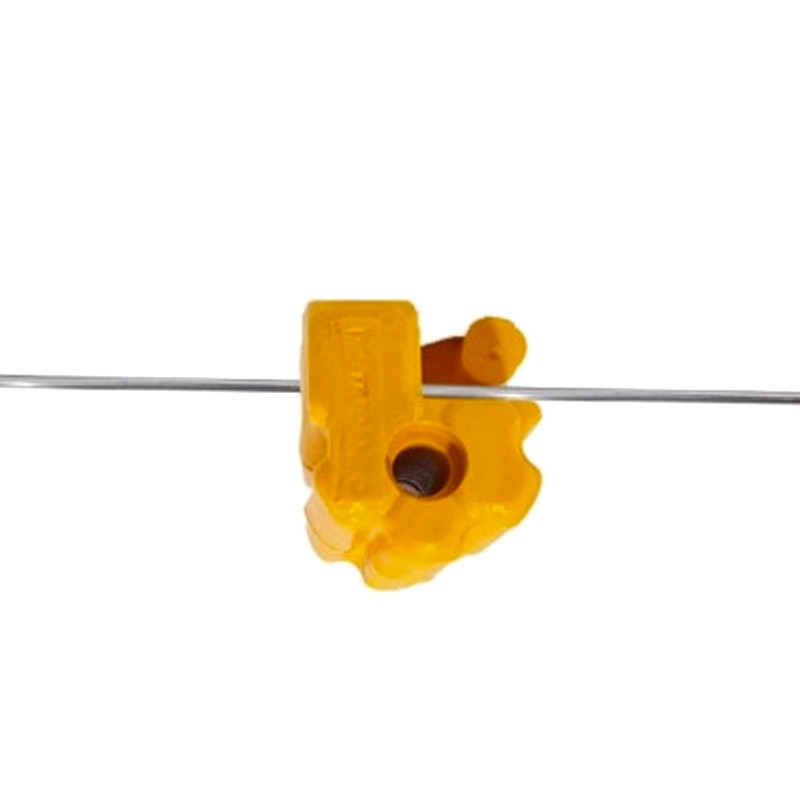
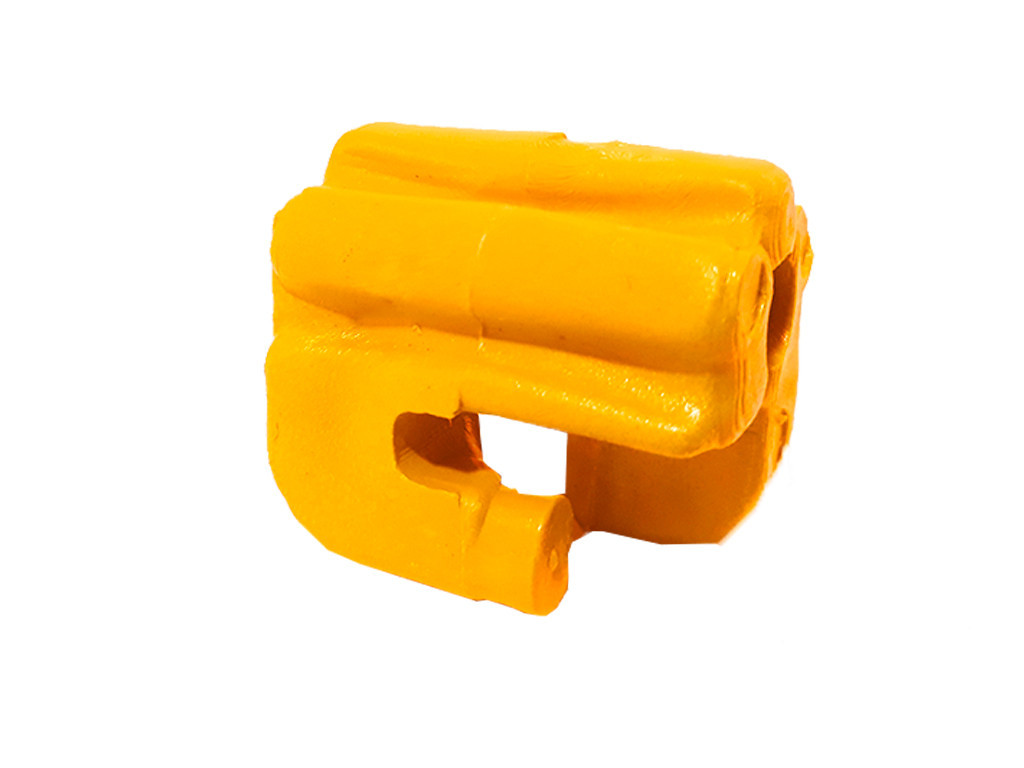
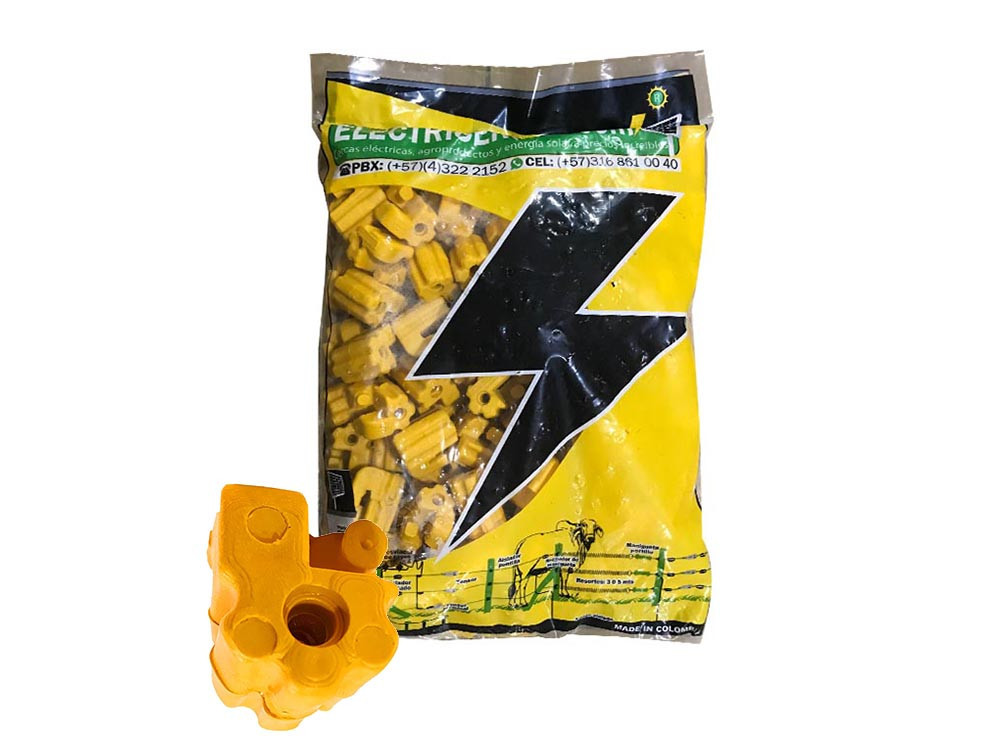
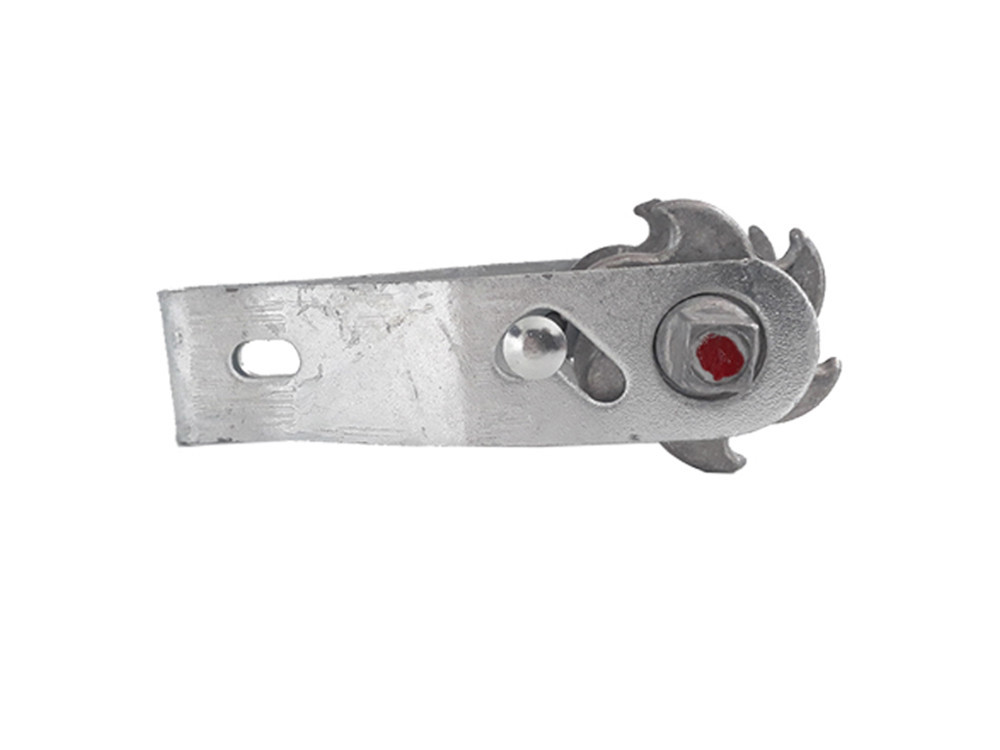
| Line, corner and step-in post insulators | Holding permanent and portable wires | Insulators |
| Energizer with good reserve | Powering the whole system | Energizers |
| Solar energizer | Pastures without grid power | Solar energizers |
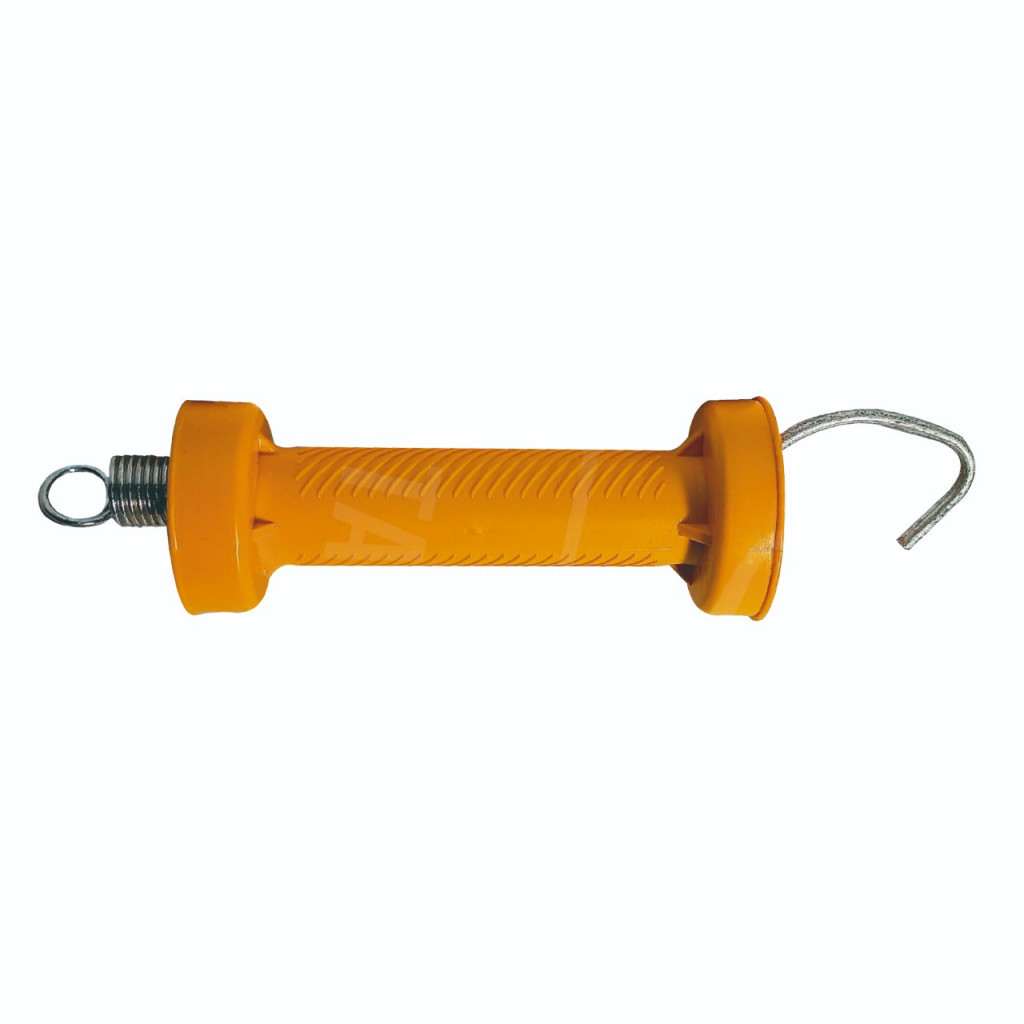
| Cut-out switches, gate handles, tester | Isolating sections, gates, testing | Accessories |
Size the energizer by total length of electrified wire, including internal divisions, with room to grow. The quote calculator helps estimate materials by hectare (1 hectare is about 2.5 acres).
Step by step to get started
- Sketch the farm with the perimeter, water, pens and shade.
- Lay out the central lane and the location of water troughs.
- Work out the number of paddocks from your grass's rest period and the occupation you can manage.
- Build the perimeter and lane with permanent fence first.
- Divide into blocks with permanent wires and leave internal strips for portable fence.
- Install the energizer with robust grounding and test voltage at the far end.
- Train cattle in a small paddock before starting the full rotation.
- Keep a simple record of entry and exit dates for each paddock.
- Review and adjust monthly based on how the regrowth looks.
Find setup manuals in our installation section.
Common mistakes when starting out
- Using too few paddocks, so rest periods stay short and the pasture never recovers.
- Leaving cattle too long in each paddock and letting them graze the regrowth.
- Forgetting water: without accessible troughs, rotation falls apart within weeks.
- Using a small energizer that cannot hold voltage once all the divisions are added.
- Keeping the same schedule all year without adjusting rest between wet and dry seasons.
- Not recording anything, which makes it impossible to learn what works on your farm.
Daily management checklist
- Move the strip at the planned time.
- Confirm the new paddock has water.
- Test voltage on the farthest division.
- Check that the previous paddock was left at the right exit height.
- Log the date and paddock in your record.
Start your rotation with Electricercas
Since 2014, from Medellín, Colombia, we have helped producers set up rotational grazing systems with permanent and portable electric fencing. Estimate your materials with the quote calculator or contact us on WhatsApp at +57 305 453 5264 with your acreage, herd size and grass type. We will recommend the energizer, conductors and accessories, and we ship throughout Colombia and internationally.
Frequently asked questions
How many paddocks do I need for rotational grazing?
Use the formula: the grass rest period in days divided by occupation days, plus one. For example, with 35 rest days and 3-day moves you need about 13 paddocks.
How many wires does an internal grazing division need?
With trained adult cows, usually a single strand at about 32 inches (80 cm). If calves are present, add a lower second strand so they cannot slip under.
Does portable electric fence work for strip grazing?
Yes, it is the most practical approach. With polytape or polyrope on a reel and step-in posts, you can move the strip in minutes and adjust its size to available forage.
What energizer do I need for a rotational system?
One sized for the total length of electrified wire, including internal divisions, with room to grow. If your pastures have no grid power, a solar energizer is the most practical option.
Need help with your fence?
We ship worldwide. Message us and an advisor will help you choose the right setup.