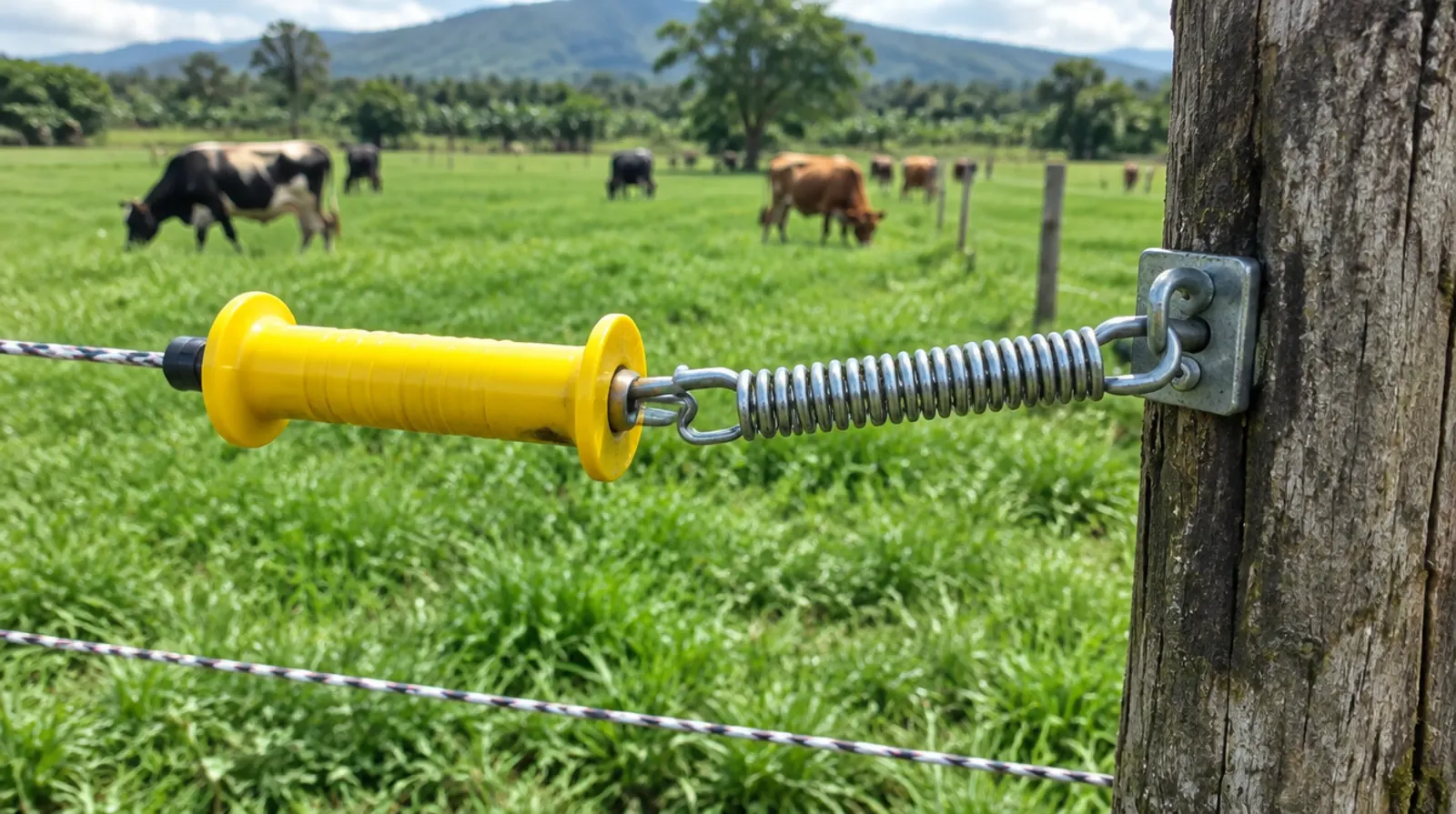










Lightning Protection for Electric Fences: Diverters Guide
Electricercas team · October 17, 2026 · 5 min read
Key takeaways
- A nearby strike can fry your energizer
- The diverter sends the surge to ground
- Dedicated ground, 65 ft or more from the charger
- Add a surge protector on plug-in energizers
- Check the whole system after every storm
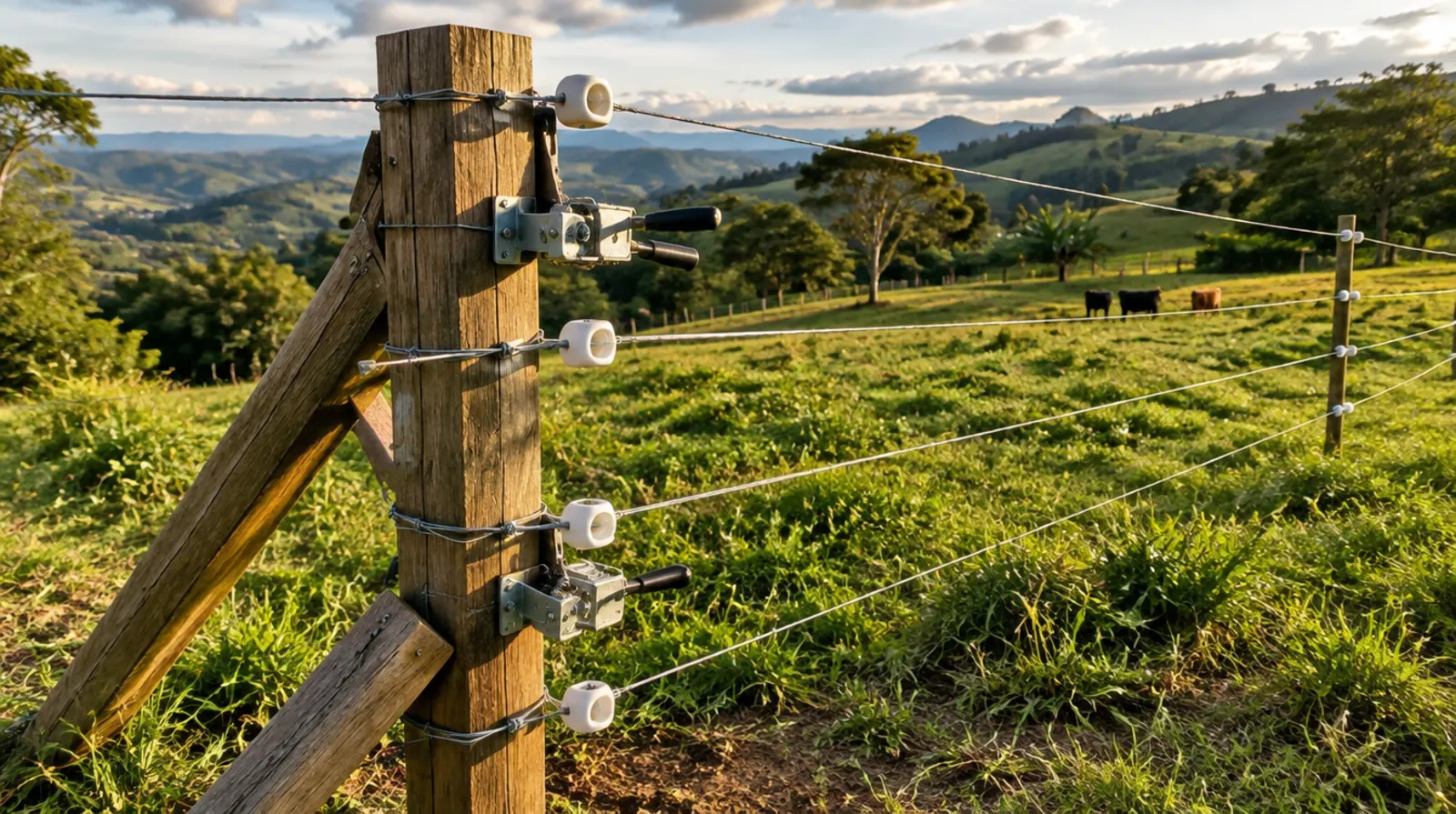
Lightning storms are a fact of life in much of the tropics, the American South and Midwest, and any open rangeland. For an electric fence that's a real risk: miles of wire strung through the open act like a giant antenna that picks up surges, and that energy looks for the shortest path to ground. Too often that path runs straight through your energizer. The result is a fried charger exactly when you need it most. This guide explains how electric fence lightning diverters work, how to install them, and which simple extra steps reduce the chance of losing your energizer in the next storm.
How lightning damages an electric fence
Lightning doesn't need to hit the wire directly. There are three common ways a strike affects a fence:
- Direct strike: lightning hits the fence or a post. Less common, but the most destructive.
- Induction: a nearby strike induces a surge in the wire that travels down the line to the energizer.
- Through the power grid: on plug-in (110/120 V) energizers, the surge can come in through the home's electrical service.
In all three cases, if there's no prepared path to divert the energy, the energizer becomes the weakest point in the circuit.
Where the risk is highest
Some properties are far more exposed than others. Plan for stronger protection if any of these apply:
- The fence crosses open, treeless pasture or ridgelines where it is the tallest conductor around.
- You run long, straight lines of several miles with no cut-out switches.
- The soil is rocky or very dry, which makes any ground system less effective.
- Your area has a history of burned-out chargers, phones or appliances after storms.
- The energizer is plugged into a long rural power line that often suffers outages.
If two or more of these describe your farm, treat a diverter and choke as standard equipment, not an optional extra.
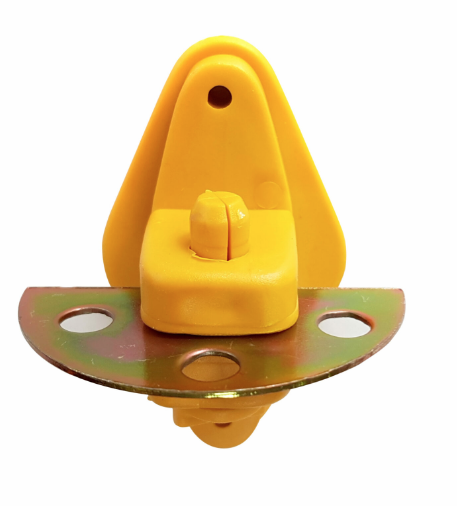
What an electric fence lightning diverter is
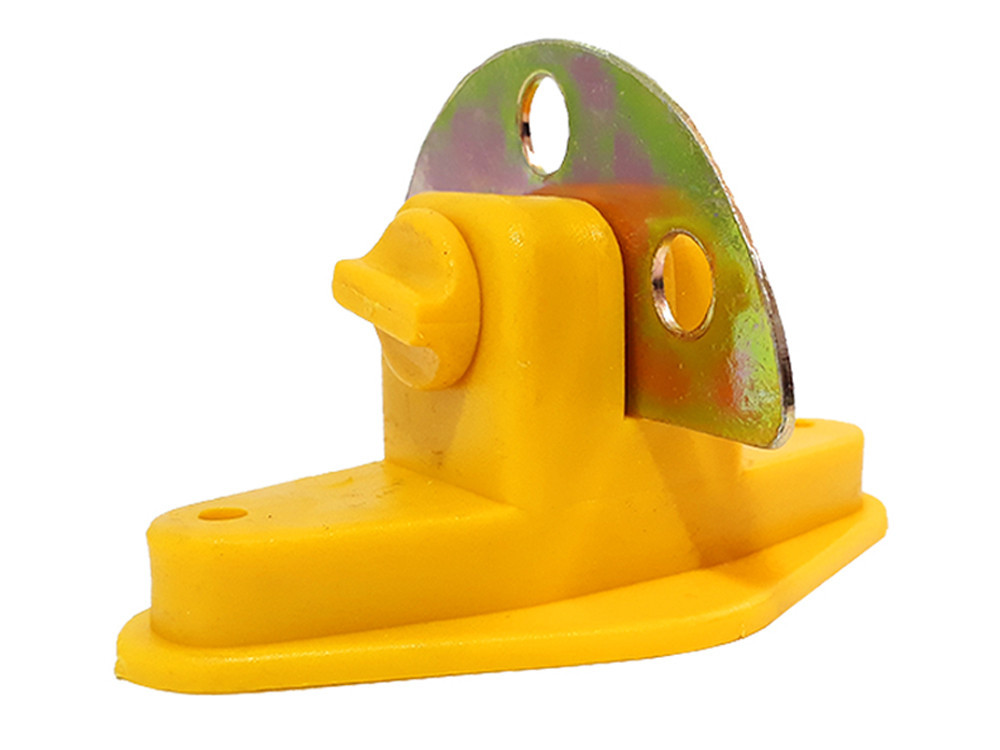
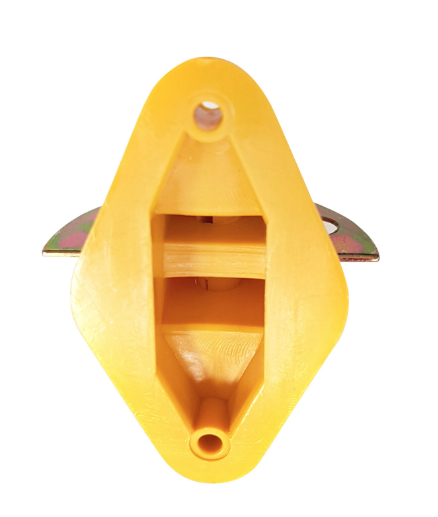
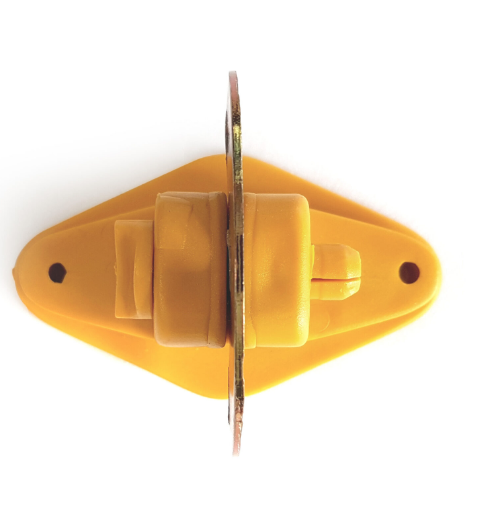
It's a device installed between the fence line and its own dedicated ground. Under normal operation it doesn't conduct: the energizer's pulses continue down the fence. But when a very high surge arrives, the diverter "jumps" and sends that energy to ground before it reaches the charger.
The most complete setups combine two components:
| Component | Job | Where it goes |
|---|---|---|
| Lightning diverter (spark gap) | Dumps the surge to ground | Between the fence line and its own ground |
| Choke coil / lightning limiter | Blocks the high-energy spike from reaching the energizer | In series, between energizer and fence |
| Mains surge protector | Protects the 110/120 V input | Between the outlet and the energizer |
| Cut-out switch | Lets you isolate the energizer in storms | On the fence output |
The choke coil makes the surge "prefer" the diverter path instead of the energizer. Together they form the most effective protection on the fence side.
How to install a lightning diverter step by step
- Pick the spot. Install the diverter near the energizer, on the first post where the line leaves, or at the most exposed part of the fence.
- Build a dedicated ground for the diverter. Drive several ground rods (3 or more is a common recommendation) about 2 to 3 m (7 to 10 ft) apart. This ground must be separate from the energizer ground, ideally 20 m (about 65 ft) or more away.
- Wire the diverter. One terminal goes to the fence line, the other to the diverter's ground system, using insulated cable and solid clamps.
- Install the choke coil between the energizer output and the point where the diverter connects, if your kit includes one.
- Set the spark gap to the manufacturer's spec (on adjustable models).
- Test the fence to confirm voltage is still normal. If it drops, the gap may be set too close or there's an insulation problem.
Common installation mistakes
- Connecting the diverter to the energizer's ground. The surge just comes back in through the charger's ground terminal.
- Using a single short rod for the diverter. Lightning energy needs a robust ground.
- Installing it far from the energizer, leaving a long unprotected stretch.
- Never checking it after a storm; some diverters are damaged doing their job and must be replaced.
Protecting the mains side (plug-in energizers)
If your energizer plugs into the grid, surges can also come in through the outlet. To cover that side:
- Plug the energizer into a quality surge protector.
- Make sure the building wiring is grounded and properly protected.
- In storm-prone areas, unplug the energizer when a severe storm approaches.
What about solar energizers?
Solar energizers don't depend on the grid, so they remove the risk coming through the electrical service. But they're still exposed through the fence line, so they need a diverter too, and it's wise to keep the wiring between the panel and the unit short.
Extra measures that actually help
Beyond the diverter, good practices reduce the risk:
- Install cut-out switches at the energizer output and on each branch, so you can isolate the unit in seconds when a storm rolls in.
- Avoid ending the fence on high, isolated points, like a hilltop, without extra protection.
- Keep the energizer ground in good shape. A solid ground also helps dissipate smaller surges.
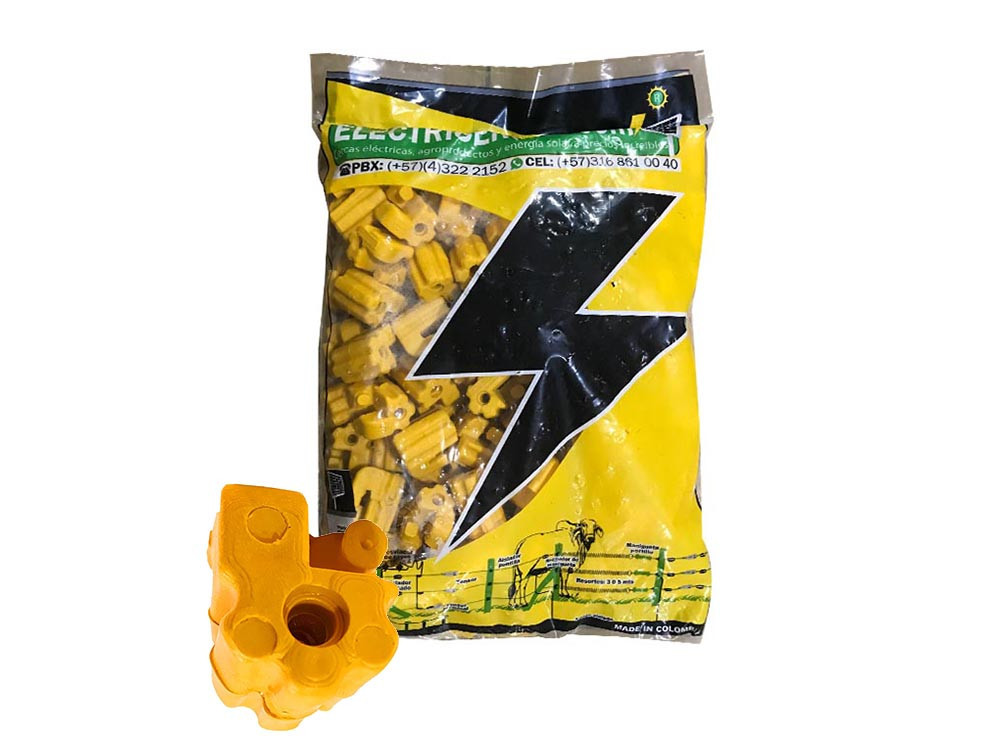
- Check insulators and connections after every storm, since arcing can leave them damaged.
- On very long fences, add extra diverters on exposed sections.
Post-storm checklist
- Confirm the energizer powers up and shows normal no-load voltage.
- Test fence voltage at the start and end of the line.
- Inspect the diverter for burn marks, melted parts or a changed gap.
- Check the diverter ground rods and clamps.
- Look for burned or cracked insulators on the first posts.
- Fix anything that changed before trusting the fence with livestock again.
If the fence is weak after a storm, our guide to common electric fence problems and fixes will help you track it down.
Is it worth the investment?
A protection kit costs a fraction of an energizer. And the real cost of a fried charger isn't just the replacement: it's the downtime, loose livestock and damaged pastures. In storm-prone regions, a properly installed diverter is as basic as the ground system itself. If you're unsure about your fence ground, read our electric fence grounding system guide, because lightning protection only works if both grounds are done right.
Protect your energizer before the next storm
Electricercas stocks lightning diverters, ground rods and cut-out switches in our electric fence accessories section, along with energizers from recognized brands. Check the installation manuals or build your full materials list with our fence calculator. Want help choosing the right protection for your area? Contact us on WhatsApp at +57 305 453 5264. We've been shipping from Medellín, Colombia, since 2014, and we ship internationally.
Frequently asked questions
Can the lightning diverter share the energizer ground?
No. The diverter needs its own ground system, separate from the energizer ground and ideally 20 m (about 65 ft) or more away. If they share a ground, the surge can come back into the unit through its ground terminal.
Do solar fence chargers need lightning protection?
Yes. Even without a grid connection, the fence line still picks up surges from nearby strikes. A diverter protects the output of any type of energizer.
Should I unplug my energizer during a storm?
In storm-prone areas it's good practice, especially with plug-in units. A cut-out switch on the output lets you isolate the energizer quickly without taking anything apart.
How often should I check the lightning diverter?
After every severe storm and during your monthly fence inspection. If it shows burn marks or melted parts, replace it, since it may have done its job and been damaged.
Need help with your fence?
We ship worldwide. Message us and an advisor will help you choose the right setup.