









Common Electric Fence Problems and How to Fix Them
Electricercas team · October 16, 2026 · 5 min read
Key takeaways
- Troubleshoot in order: energizer, ground, line
- Vegetation is the top cause of voltage loss
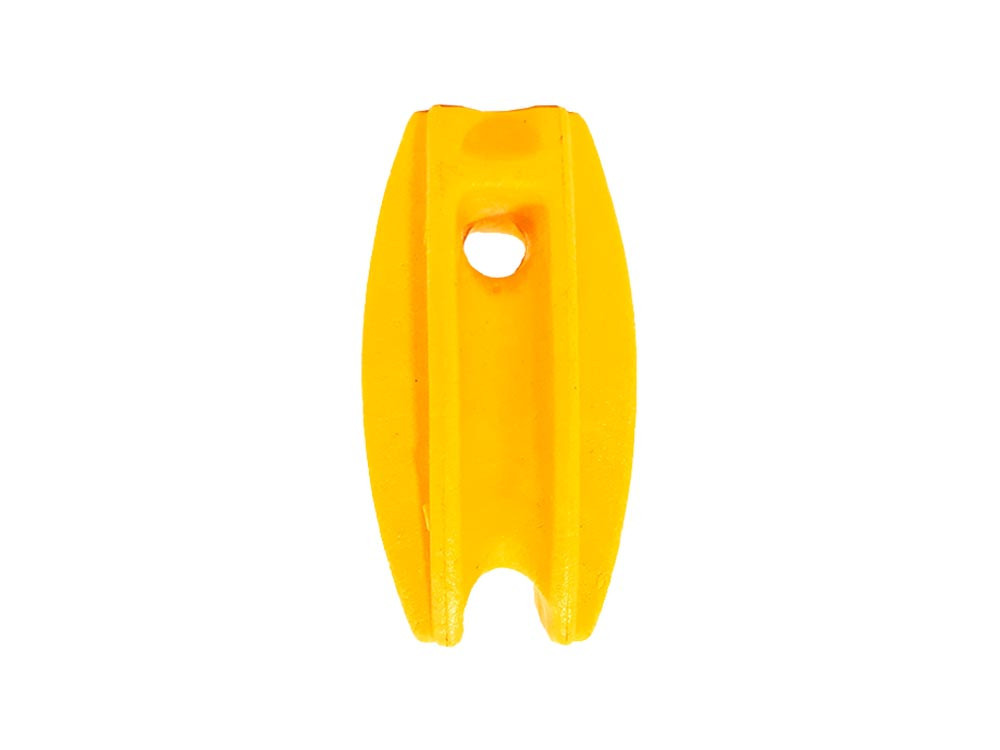
- Replace cracked or arc-marked insulators
- Weak ground: fence fails in the dry season
- Weekly checks prevent most failures
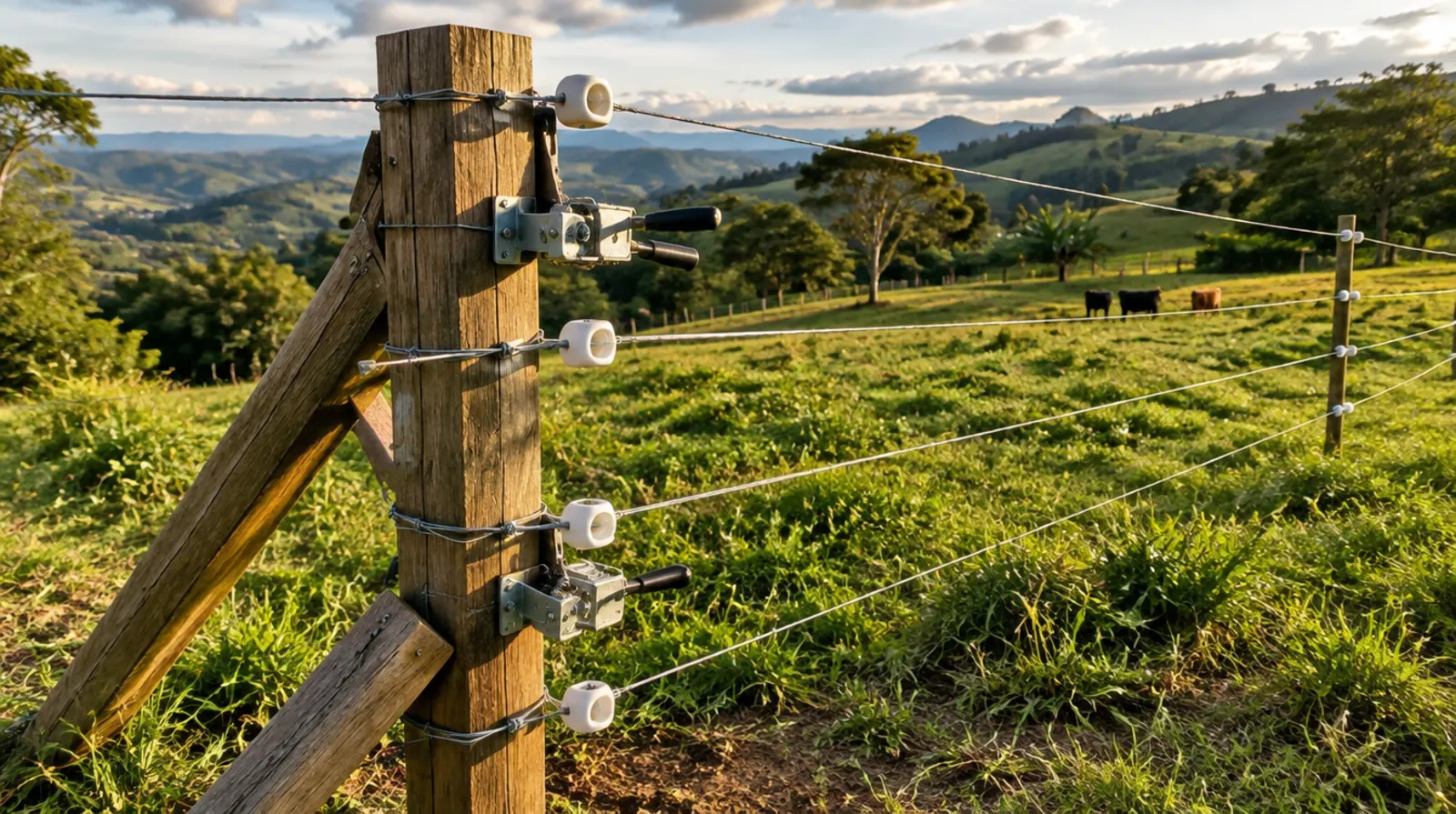
Most ranchers know the scene: you walk out to the pasture and the cattle are on the wrong side of the fence, or you touch the wire with a blade of grass and feel nothing. A failing electric fence doesn't just let animals out; it teaches them the wire can be crossed, and that is much harder to undo. The good news is that most electric fence problems repeat themselves and have simple fixes. This guide walks through the most common faults, how to spot them and what to do so they don't come back.
Before you start: troubleshoot methodically
Don't swap parts at random. Follow a logical order to save time and money:
- Check the energizer with no load. Disconnect the fence and measure voltage at the terminals. If it's low, the problem is the unit or its power supply.
- Check the ground system. A poor ground explains a large share of "weak" fences.
- Test along the line. Look for the point where voltage drops sharply; that's where the fault is.
- Inspect the suspect section. Vegetation, insulators, splices, downed wires.
You'll need a fence tester for this. If you're not sure how to use one, read how to test electric fence voltage first.
Quick troubleshooting table
| Symptom | Likely cause | Fix |
|---|---|---|
| Energizer light is off | No power, blown fuse, dead battery, dirty panel | Check outlet, fuse, battery; clean the panel |
| Energizer fine, fence weak | Leakage from vegetation or broken insulators | Clear the line and replace insulators |
| Whole system weak, ground rods "hot" | Inadequate ground | Add rods and improve connections |
| Audible clicking or sparking at one spot | Arcing near a post or a cracked insulator | Fix the spacing or replace the insulator |
| Voltage drops gradually along the line | Bad splices or rusted wire | Redo splices with proper connectors |
| Failure after a storm | Lightning damaged the energizer | Check the unit and install protection |
| Ticking on radio or phone | Arcing on the line or poorly placed ground | Find the arc; move ground away from other lines |
Problem 1: grass and branches touching the wire
By far the number-one cause of voltage loss, especially in tropical climates where grass grows fast most of the year. Every leaf touching a hot wire is a small path to ground; hundreds together can knock the fence out, especially with dew or rain.
Fix:
- Keep a clean strip under the fence by mowing, trimming or weed control.
- Raise the bottom wire or switch it off during heavy-growth periods using a cut-out switch.
- Trim branches hanging over the line.
- On very long fences, consider a more powerful energizer that tolerates some vegetation load.
Careful herbicide use along the fence strip, or regular mowing, cuts maintenance work dramatically.
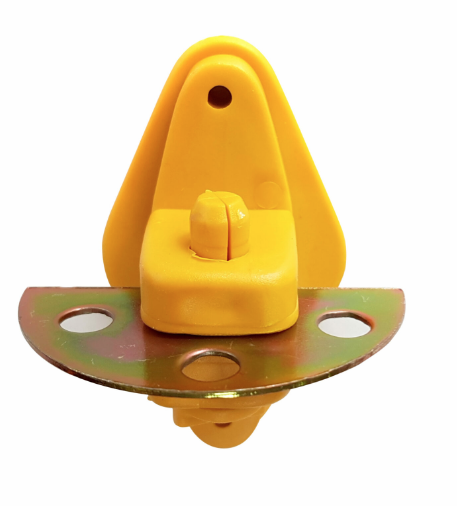
Problem 2: cracked or low-quality insulators
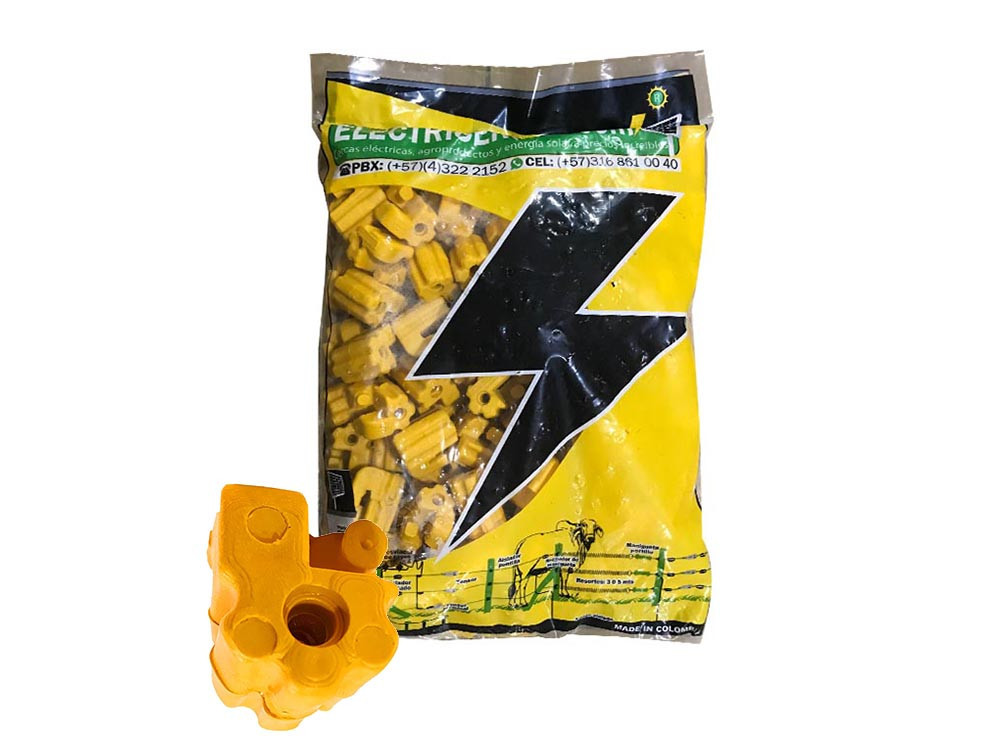
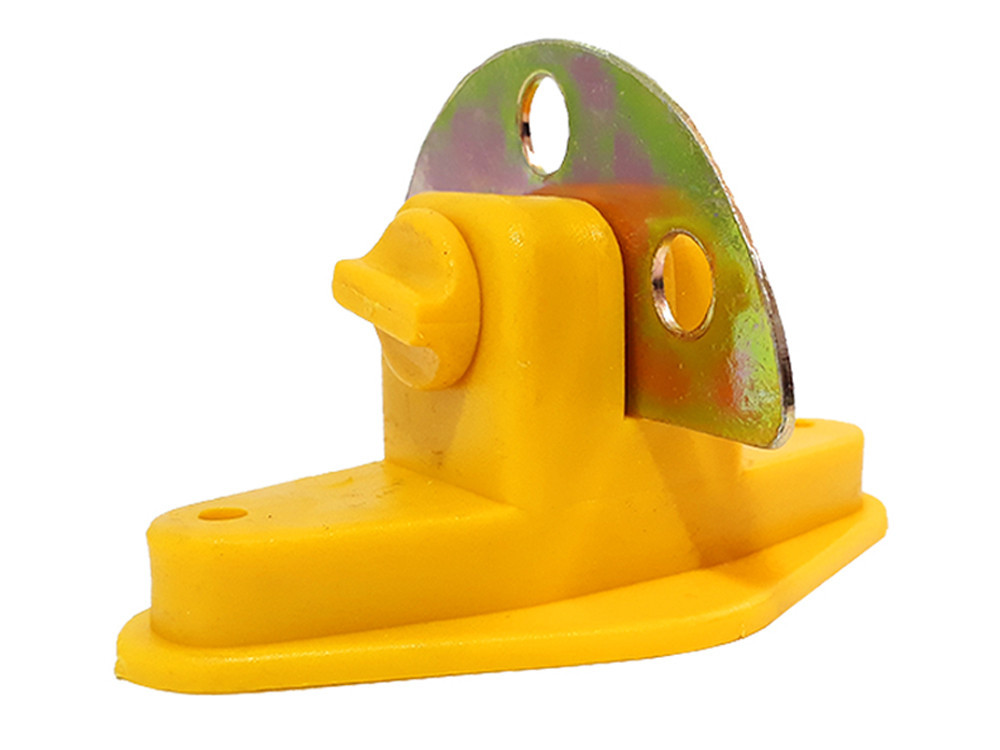
Sun, heat and livestock bumps break insulators down over time. A cracked one leaks current to the post, especially when wet. Cheap insulators made from plastic without UV protection can crack within a year or two.
Fix:
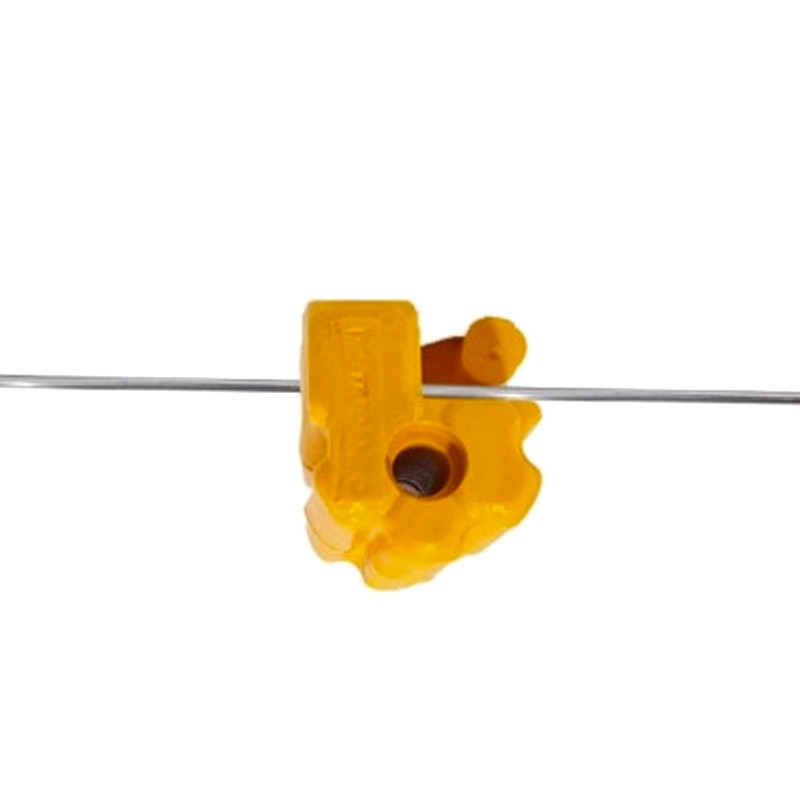
- Walk the fence and replace any insulator that is broken, burned or shows black arc marks.
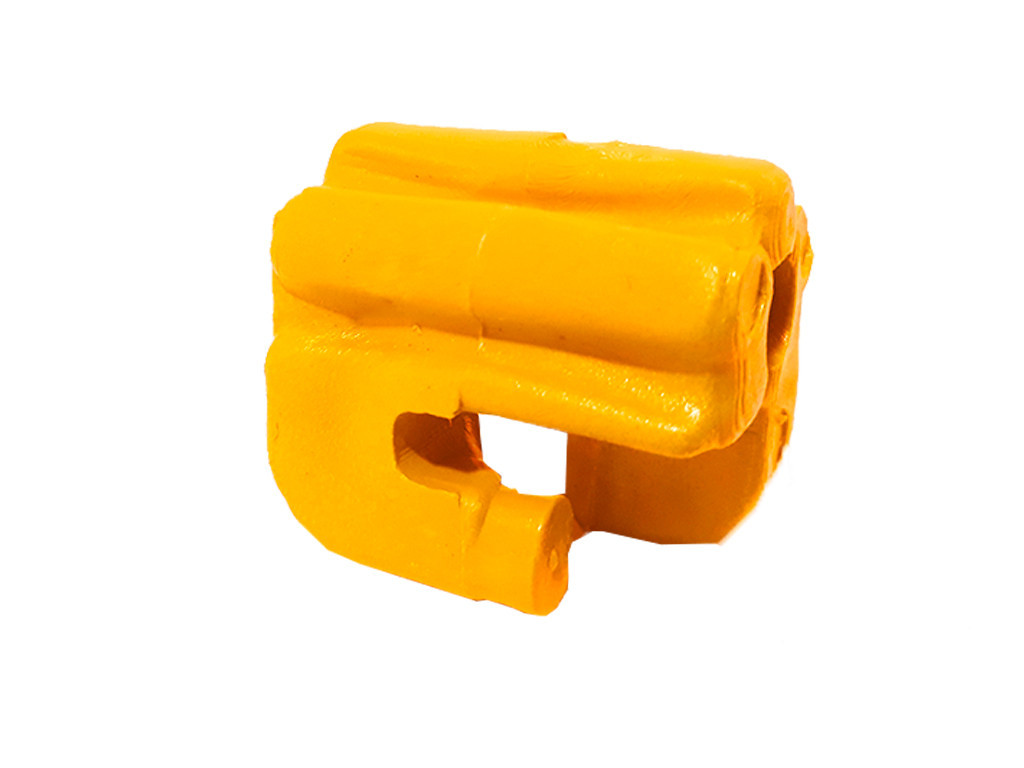
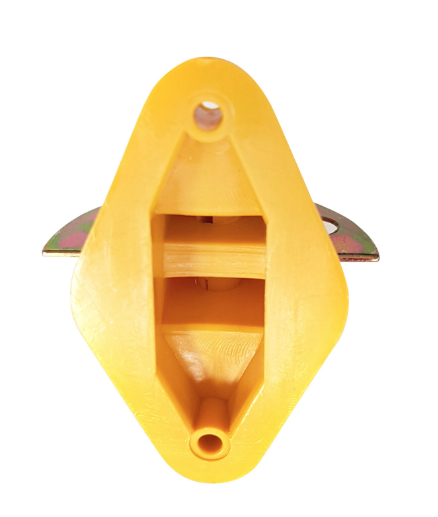
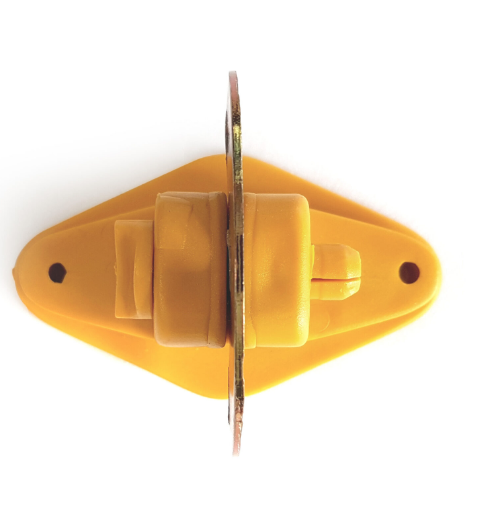
- Use UV-stabilized insulators designed for each position: line, corner or strain.
- Pay special attention on steel or concrete posts, where any leak is immediate.
Find replacements in our electric fence insulators category.
Problem 3: inadequate ground system
If the soil is dry, the rods are short or there are too few, current can't return to the energizer and the shock weakens. A classic symptom: the fence works fine in the rainy season and fails in the dry season.
Fix:
- Install at least the number of ground rods your energizer manufacturer recommends (often 3 or more), spaced about 2 to 3 m (7 to 10 ft) apart.
- Use quality clamps and continuous wire between rods, with no splices.
- Place the ground in moist soil, well away from the house ground.
Problem 4: poor splices and joints
A badly tied knot, two dissimilar metals joined without a connector, or a rusted splice all create resistance. Voltage is lost there, and sometimes an arc forms that damages the wire.
Fix:
- Use connectors designed for fencing, not improvised knots.
- Avoid joining copper directly to galvanized steel; corrosion sets in quickly.
- For tape or polyrope, use buckles or joiners from the same manufacturer.
Problem 5: energizer output is low
It may be an internal fault, a depleted battery, a dirty or undersized solar panel, or simply an energizer too small for the length of fence.
Fix:
- On battery units, check battery voltage and recharge or replace as needed.
- On solar systems, clean the panel and make sure it isn't shaded during peak sun hours.
- If the no-load voltage is low, have the unit serviced.
- If your fence has grown, check whether the energizer is still big enough. Compare models in our energizers and solar energizers categories.
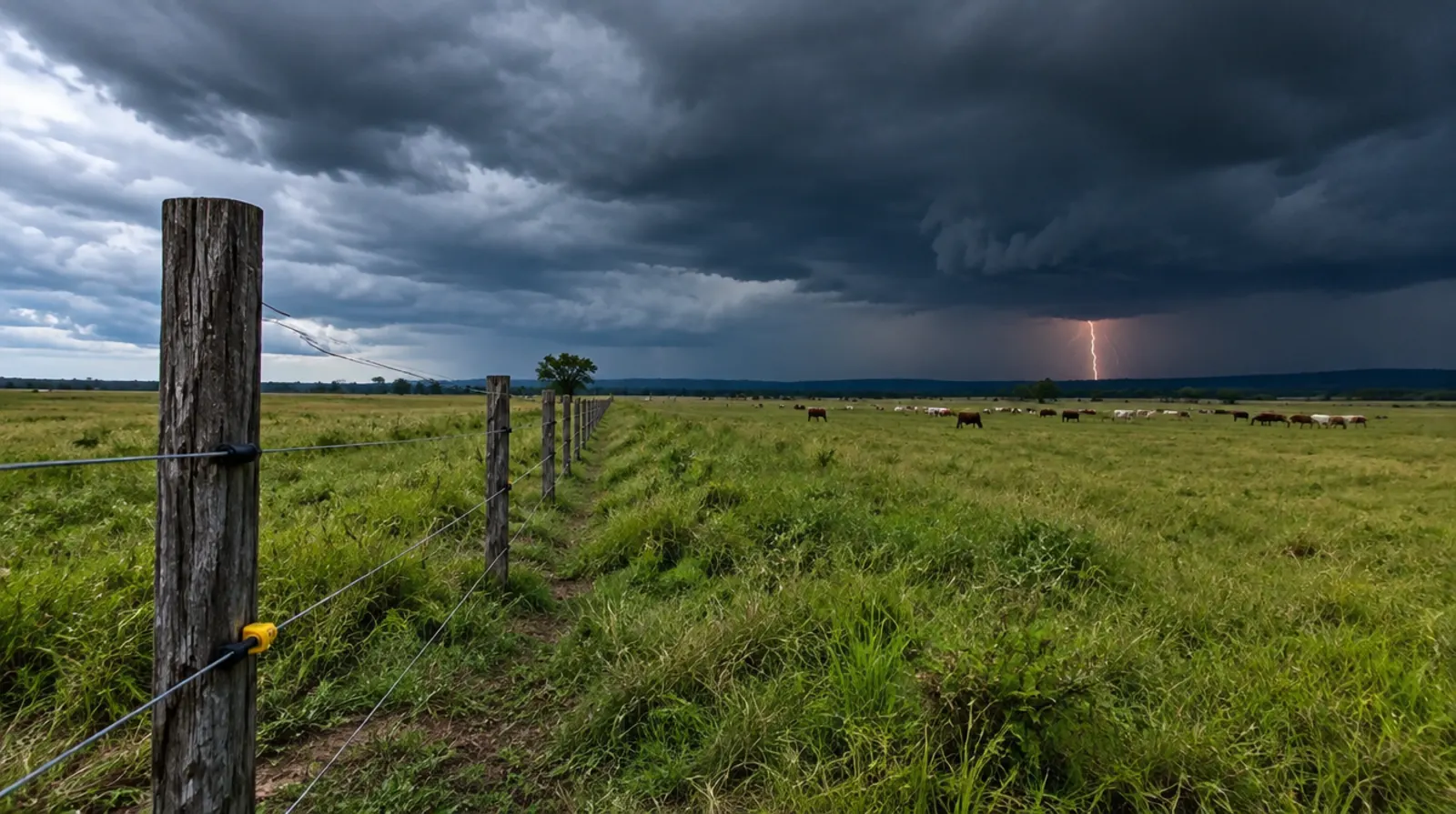
Problem 6: lightning damage
Fences are long, exposed conductors that attract lightning. A nearby strike can burn out an energizer even if it doesn't hit the wire directly.
Fix: install a lightning diverter with its own ground and, if possible, unplug the energizer during severe storms. See our guide to lightning protection for electric fences.
Problem 7: slack or downed wires
A loose wire sways, touches the ground or posts, and livestock push through it easily. It's usually caused by missing tensioners or poorly anchored corners.
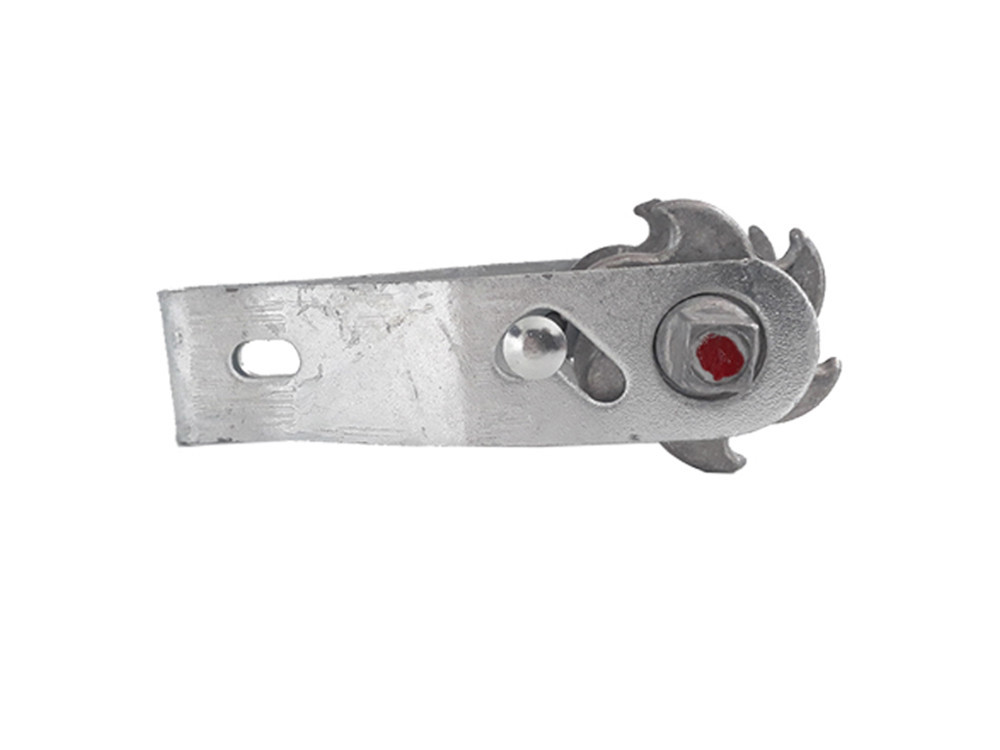
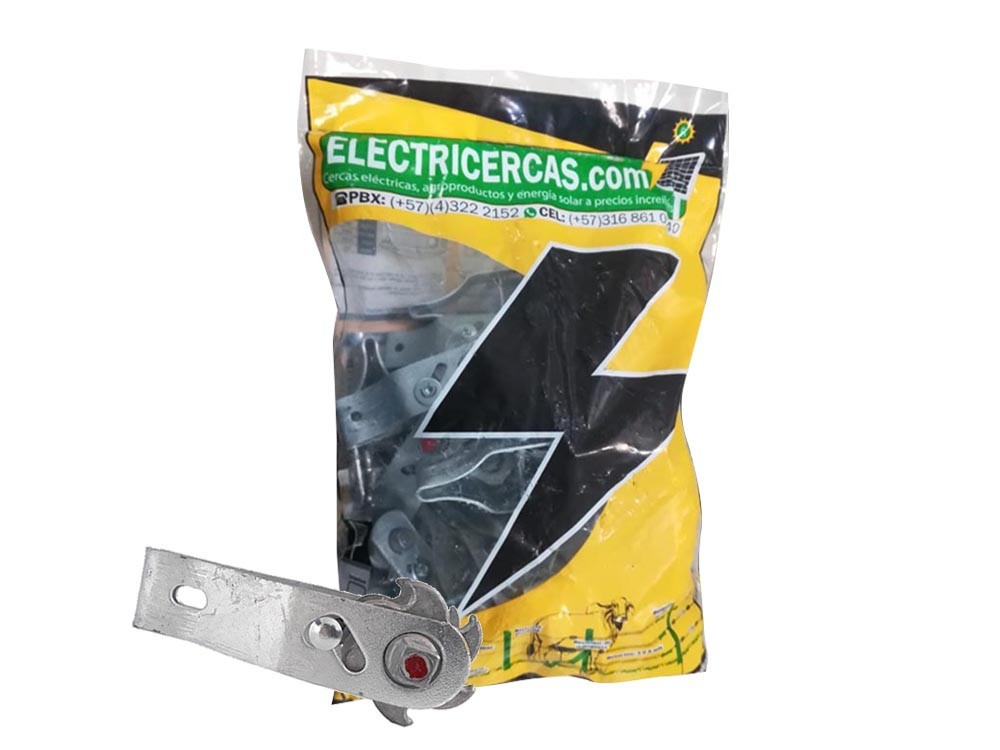
Fix: install in-line strainers on long runs, brace corners properly and re-tension the wire after the first few weeks, since new wire settles.
Problem 8: radio, phone or internet interference
If you hear a ticking on the radio in time with the energizer, there's an arc on the fence or the ground is too close to other lines. It's not just annoying: it means you're losing energy.
Fix: look for sparks at insulators, splices and gates; move the fence ground away from phone and utility lines; and avoid running the fence parallel and close to communication lines.
Prevention routine
Regular inspection is the best way to avoid failures:
- Weekly: measure voltage at the end of the line and check for vegetation on the wires.
- Monthly: walk the whole fence, checking insulators, splices and wire tension.
- Every dry season: test the ground and add rods if needed.
- After storms: check the energizer and the lightning diverter.
- Yearly: replace cracked insulators and check the condition of gates.
When it's time to redesign
If failures keep coming back, the problem may be the design: an energizer too small for the mileage, low-conductivity wire, long runs with no cut-out switches, or a ground placed badly from day one. Then it's worth reviewing the whole project. Redesigning early usually costs less than patching the same fence every month.
Let us help you find the fault
Electricercas has been advising ranchers since 2014 from Medellín, Colombia, with more than 11,000 orders delivered, and we ship internationally. If you already know what you need, find parts in our electric fence accessories, check the installation manuals or price out new materials with the acreage-based calculator. Still stuck? Contact us on WhatsApp at +57 305 453 5264 with your voltage readings and a few photos of the setup, and we'll help you solve it.
Frequently asked questions
Why isn't my electric fence shocking if the energizer is on?
Most often there's leakage on the line, such as grass touching the wire or cracked insulators, or the ground system is inadequate. Test voltage at several points to find where it drops, then check the ground.
How do I find a short on a long electric fence?
Split the fence with cut-out switches and test each section separately. A fault finder shows the direction of the leak so you don't have to walk the entire perimeter.
Why does my fence work in the wet season but fail in the dry season?
It's almost always the ground system. When soil dries out, current can't return to the energizer properly. Add rods, drive them deeper or move the ground to moister soil.
Can lightning damage my energizer without hitting the fence?
Yes. A nearby strike can induce surges in the wire and burn out the unit. That's why a lightning diverter with its own ground is recommended.
Need help with your fence?
We ship worldwide. Message us and an advisor will help you choose the right setup.