





How to Test Electric Fence Voltage: Readings to Look For
Electricercas team · October 15, 2026 · 6 min read
Key takeaways
- The charger light doesn't show line voltage
- Use a fence tester, never a regular multimeter
- Cattle: at least 3,000–4,000 V at line end
- Ground test above 300 V means a weak ground
- Test several points and keep a log
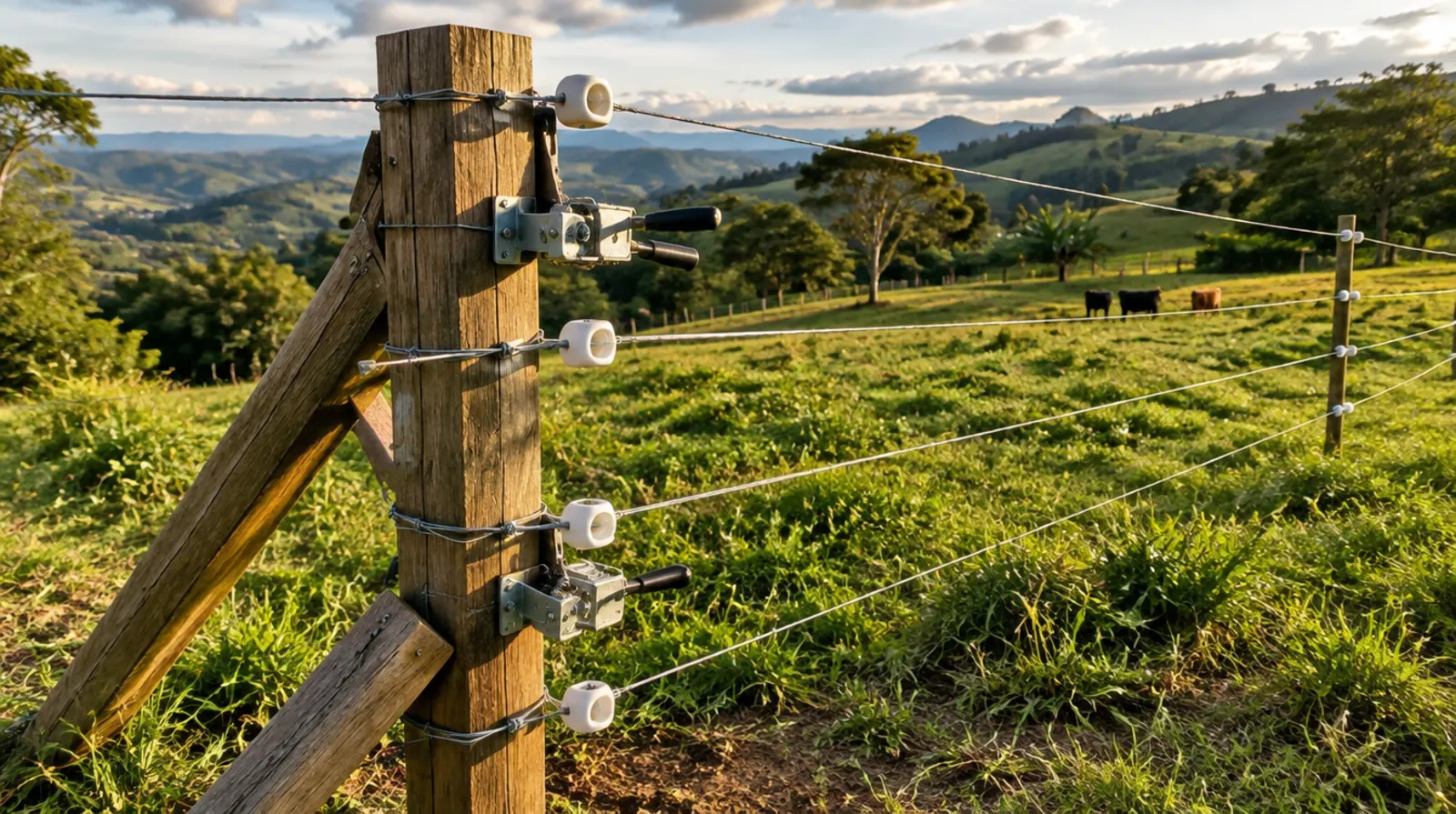
An electric fence can look perfect and still fail at its one job. Livestock learn quickly when the wire "doesn't bite" anymore, and that is when the trouble starts: cattle in the neighbor's pasture, trampled grass and hours spent chasing calves. The only way to know if your fence is really working is to test it. This guide covers which tester to use, how to test electric fence voltage step by step, what readings to look for by species, and how to interpret the numbers so you find problems before your animals do.
Why the energizer light isn't enough
Most fence chargers have a bulb or LED that blinks with every pulse. That tells you the unit is on, but not how much voltage reaches the end of the line. Between the energizer and the last post you may have grass touching the wire, a cracked insulator, a loose splice or a dry ground, and all of those drain voltage without changing the light on the box.
That's why you test on the fence itself, at several points, not just at the energizer terminals.
Tools for testing an electric fence
Don't use a standard multimeter: fence pulses can exceed 5,000 or even 10,000 volts and can damage the meter (or give you a scare). Use testers designed for high-voltage pulses.
| Tool | What it tells you | Pros | Limitations |
|---|---|---|---|
| Neon / light tester | Whether there's a pulse and a rough range | Cheap, light, easy | No exact number |
| Digital fence voltmeter | Exact voltage in kV | Accurate, great for comparing points | Costs more than a light tester |
| Digital fault finder | Voltage plus current and direction of the leak | Locates faults on long fences | Bigger investment, best for large farms |
For a small property, a light tester is fine for daily checks. If you run several miles of fence, a digital voltmeter or fault finder will save a lot of time. You'll find them in our electric fence accessories section.
How to test fence voltage step by step
Follow this routine every time you check the fence:
- Test at the energizer output. Disconnect the lead-out wire and measure between the fence terminal and the ground terminal. This is the "no-load" voltage, the maximum the unit can deliver.
- Reconnect the fence and test at the first post. Push the tester's ground probe into the soil (as deep as you can and away from the energizer ground rods) and touch the wire with the hook or probe.
- Walk the line and test at several points. Ideally at the start, middle and end of every run or branch.
- Test each hot wire separately if your fence has multiple energized strands.
- Write the numbers down. A simple log reveals gradual drops, for example when grass starts growing or the dry season sets in.
Tips for reliable readings
- Get the ground probe in firmly; dry soil can give readings lower than the real value.
- Test at the same spots so you can compare day to day.
- Don't touch the wire with your hand while testing; hold the tester by its insulated part.
What voltage should an electric fence have?
There's no single number. It depends on the animal, its coat and how much pressure it puts on the fence. These are widely used field references:
| Animal | Recommended minimum on the line | Notes |
|---|---|---|
| Dairy and beef cattle | 3,000 – 4,000 V | Ideally 4,000 – 6,000 V |
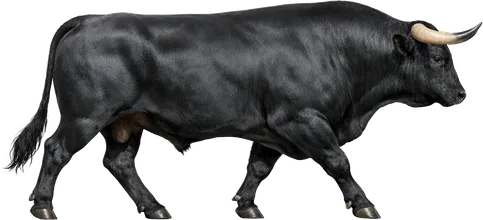
| Bulls and wild-natured cattle | 5,000 V or more | Higher fence pressure |
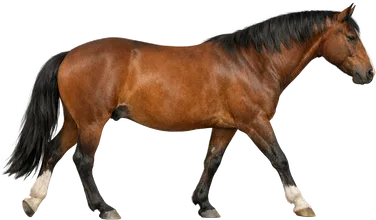
| Horses | 2,000 – 3,000 V | Sensitive; keep voltage steady |
| Pigs | 2,000 – 3,000 V | Low wire, kept free of weeds |
| Sheep and goats | 4,000 – 5,000 V or more | Wool and hair insulate |
| Wildlife and predators | 5,000 – 7,000 V | Needs a strong pulse |
For wire heights and strand counts per species, see how many wires and what height by animal.
How to test your ground system
A weak ground is the most common cause of a weak fence, and it's easy to check:
- About 100 m (roughly 330 ft) from the energizer, short the fence to the ground by leaning several steel rods or a metal pipe against the wire and pushing them into the soil. The goal is to pull the line voltage below 2,000 V.
- Go to the last ground rod of the energizer and connect the tester between that rod (the ground wire) and a probe pushed into the soil at least 1 m (3 ft) away.
- The reading should be very low. As a practical guide, anything above roughly 300 V means the ground needs more rods, deeper rods or better connections.
- Remove the short when you're done.
If the ground fails, the fix is almost always more rods, better clamps or moving the system to moister soil. We cover it in detail in our electric fence grounding system guide.
How to read the results
With numbers in hand, you can diagnose almost any problem:
- Low voltage at the energizer with no load: the unit is faulty or the battery or solar panel isn't supplying enough power. Check the power source.
- High voltage at the energizer but low on the fence: there are leaks on the line (vegetation, damaged insulators, wires touching steel posts) or the ground is inadequate.
- Voltage dropping steadily along the fence: losses from poor splices or low-conductivity wire. Fix the joints and consider a heavier conductor.
- Sudden drop between two points: the fault is in that section. Look for a broken insulator, a fallen branch or a grounded wire.
- Voltage that changes with the weather: if it drops in the rain, you have moisture leakage (low-quality insulators); if it drops in the dry season, the ground is drying out.
Using a fault finder on long fences
On large ranches, walking the whole perimeter with a voltmeter is slow. Fault finders measure the current flowing along the wire and point you toward the leak. The method is simple:
- Take a reading and note the current and direction arrow.
- Walk the way the arrow points and test again a few hundred yards further on.
- When the current drops noticeably, you've passed the fault; backtrack until you find it.
How often to test
- Daily or whenever you move paddocks: a quick reading at the start and end of the line.
- Weekly: a full walk, testing at several points.
- Monthly: a ground system test, especially in dry weather.
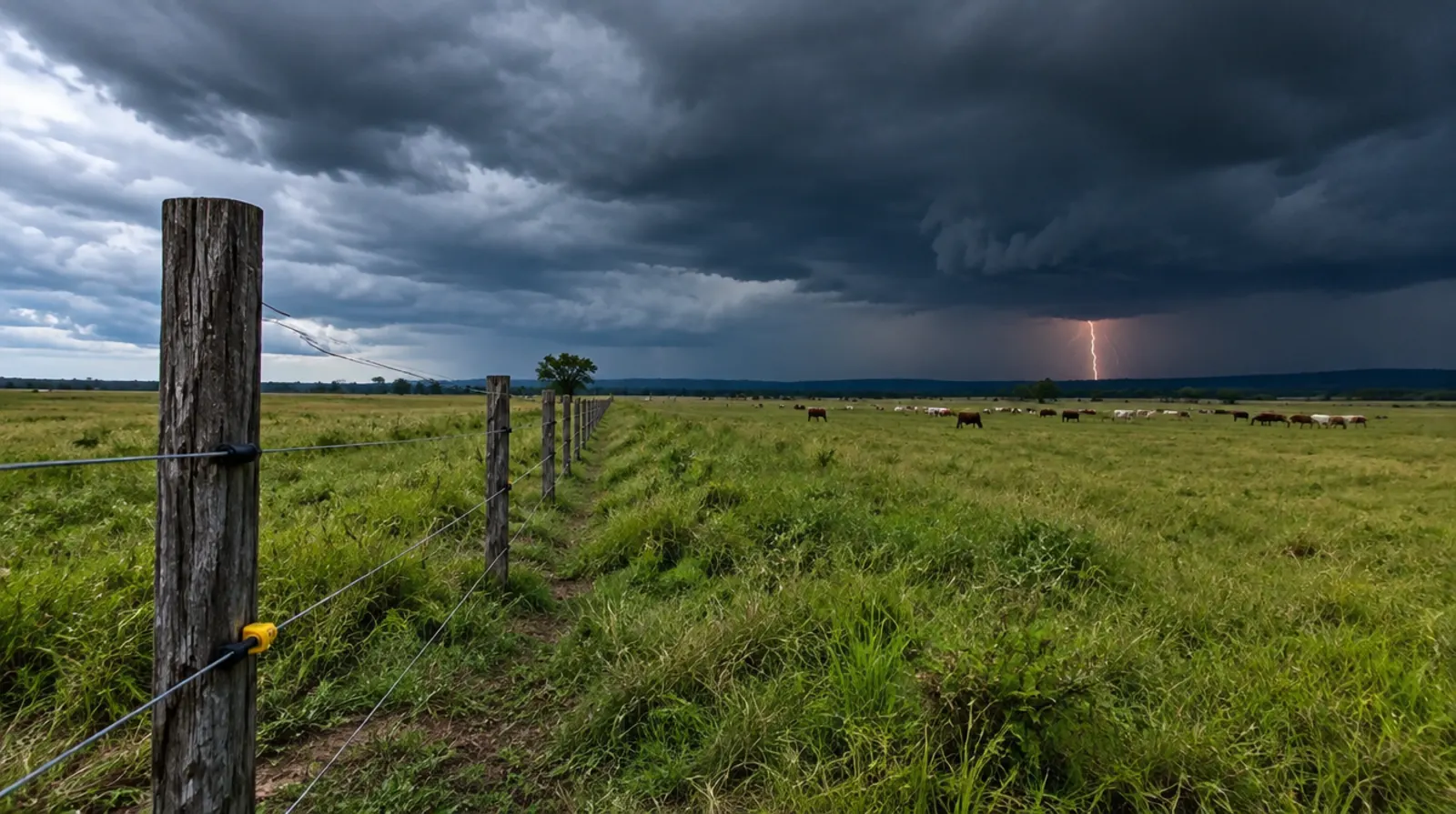
- After lightning storms: check the energizer and the lightning diverter.
Quick inspection checklist
- The energizer shows its normal no-load voltage.
- The end of the line holds the minimum voltage for your livestock.
- The ground test reads low.
- No vegetation is touching hot wires.
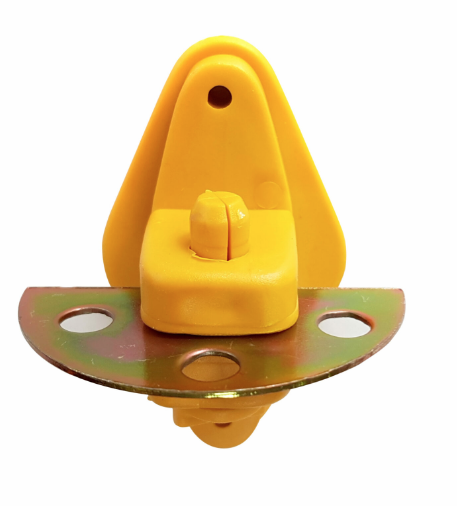
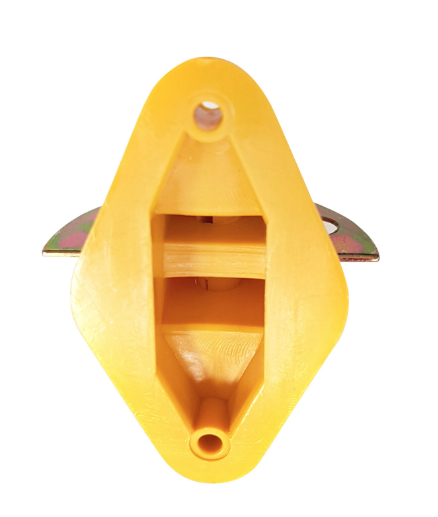
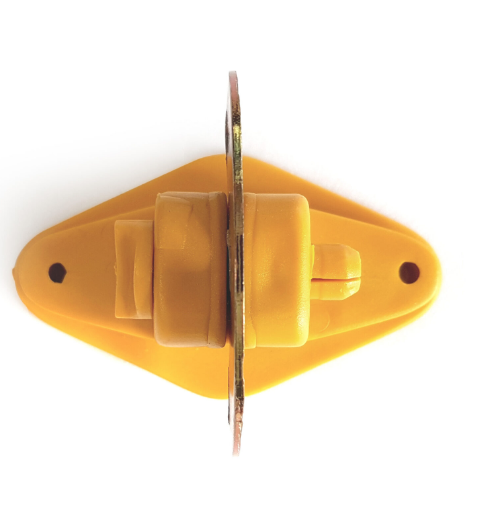
- Insulators are intact and crack-free.
- Splices are tight and rust-free.
Test, adjust, test again
A fence tester in your truck or pocket is the best investment you can make in your fence. If testing shows your charger is undersized for the length of line, browse our energizer options or work out exact materials with our acreage-based fence calculator. For installation questions, see the manuals. Want help reading your numbers? Contact us on WhatsApp at +57 305 453 5264. Electricercas has supported ranchers since 2014 from Medellín, Colombia, and we ship internationally.
Frequently asked questions
Can I test an electric fence with a regular multimeter?
It's not recommended. Fence pulses easily exceed 5,000 volts and can damage a standard multimeter. Use a light tester or a digital voltmeter designed for electric fences.
How many volts does a cattle fence need?
As a guide, you want at least 3,000 to 4,000 volts at the far end of the line, ideally 4,000 to 6,000. For bulls or harder-to-hold cattle, aim above 5,000 volts.
Why does my energizer read fine but the fence doesn't shock?
Usually because of leaks on the line, such as vegetation touching the wire or cracked insulators, or an inadequate ground system. Test at several points and run a ground test to locate the problem.
How often should I test fence voltage?
A quick check daily or whenever you move paddocks, a full walk weekly and a ground test monthly, especially in dry weather. Also check after every lightning storm.
Need help with your fence?
We ship worldwide. Message us and an advisor will help you choose the right setup.