Electric Fence Tensioners, Corners and Bracing Guide
Electricercas team · October 19, 2026 · 5 min read
Key takeaways
- Firm, even tension, not a guitar string
- Corner posts carry the full wire load
- Use a guy wire, diagonal brace or H-brace
- Guy wires must never touch hot strands
- Re-tension a few weeks after install
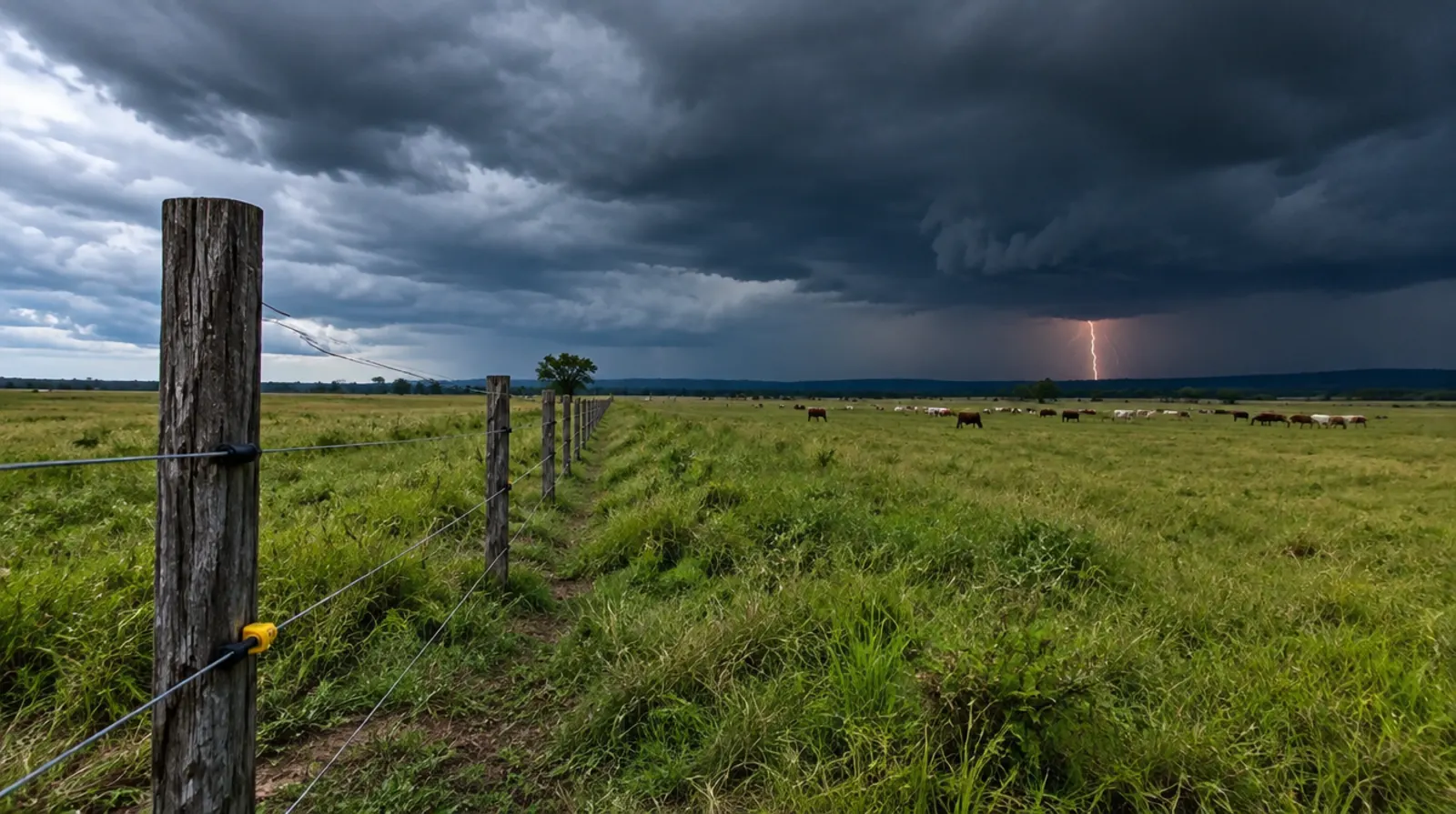
A properly tensioned electric fence is obvious from a distance: wires run straight, stay off the grass, don't sway in the wind, and livestock respect them. A slack fence sags within months, shorts out on vegetation and ends up tangled around the posts. The difference is rarely the wire or the energizer. It's three parts many people underestimate: tensioners, corners and bracing. This guide explains how electric fence tensioners, corner posts and braces work, which type to use where, and how to install them so your fence stays tight for years, even on rolling or hilly ground.
Why tension matters on an electric fence
An electric fence doesn't need to physically hold back livestock the way a barbed-wire fence does; the barrier is psychological, the shock. That doesn't mean it can be loose. Proper tension:
- Keeps every strand at the correct height along the whole run.
- Stops wire from touching the ground, vegetation or posts, the main sources of voltage loss.
- Lets you space line posts further apart, saving materials and labor.
- Makes the fence visible, and a visible fence is better respected.
Too much tension is also a problem: it stretches and weakens the wire, pulls insulators off and can lean or uproot corner posts. The goal is firm, even tension, not a wire tuned like a guitar string.
The three components that hold a fence up
| Component | What it does | Where it goes |
|---|---|---|
| Tensioner / strainer | Lets you tighten and re-tighten wire | In-line or on the start/end post |
| Corner or strain post | Takes the full load of the wire | Corners, direction changes, ends, gates |
| Brace or guy wire | Keeps the strain post from leaning | Beside the corner post, opposite the pull |
Types of tensioners
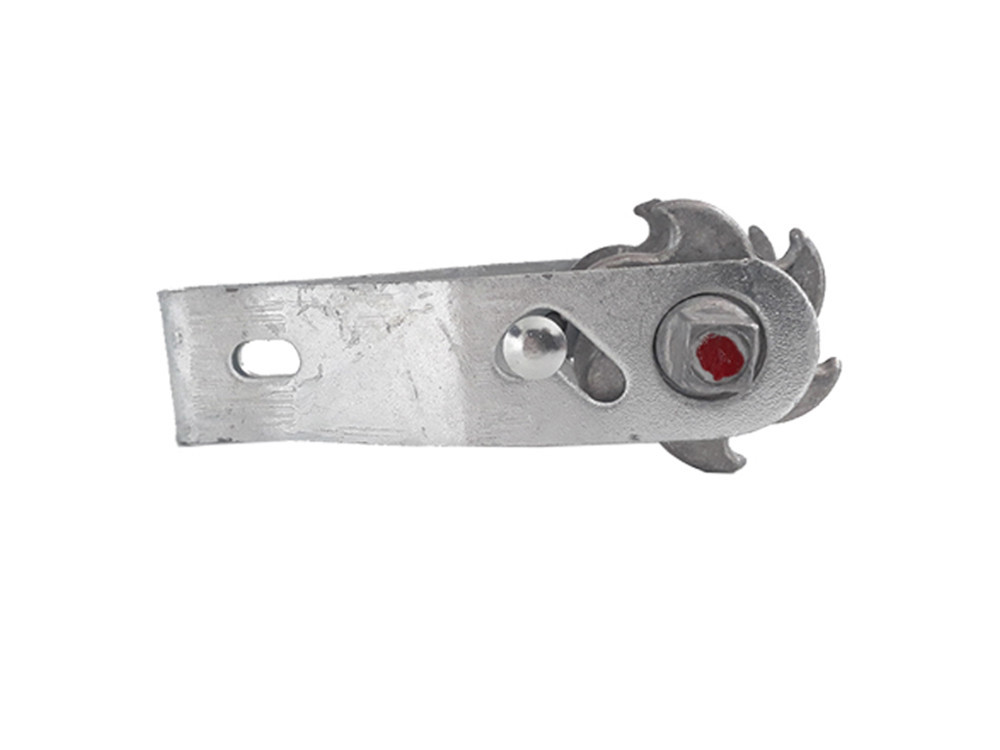
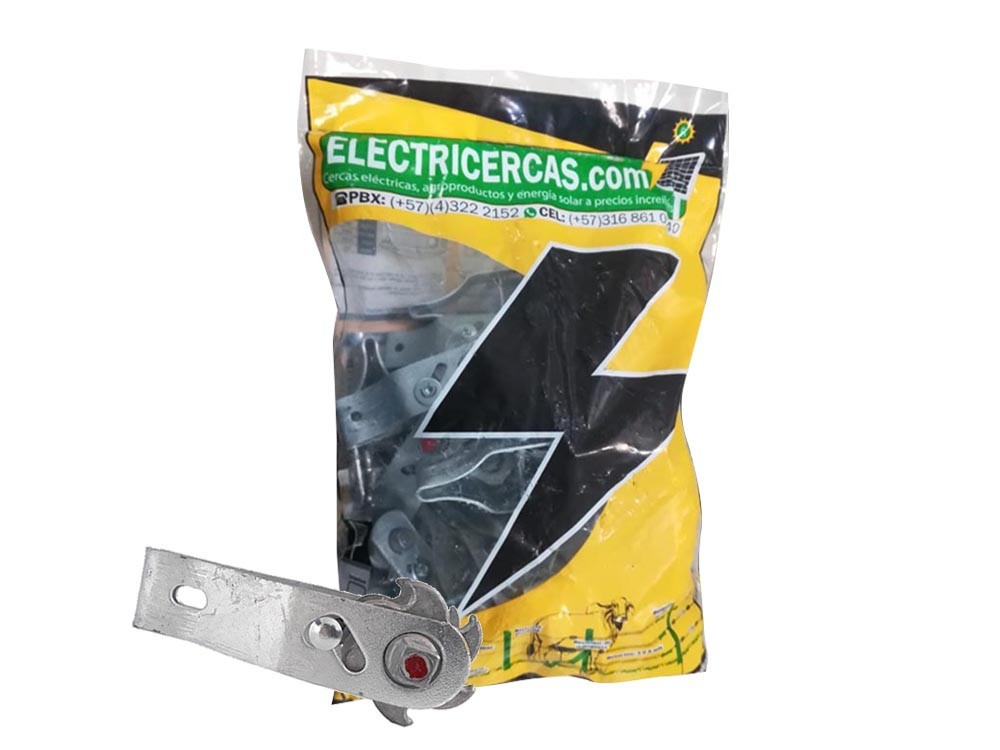
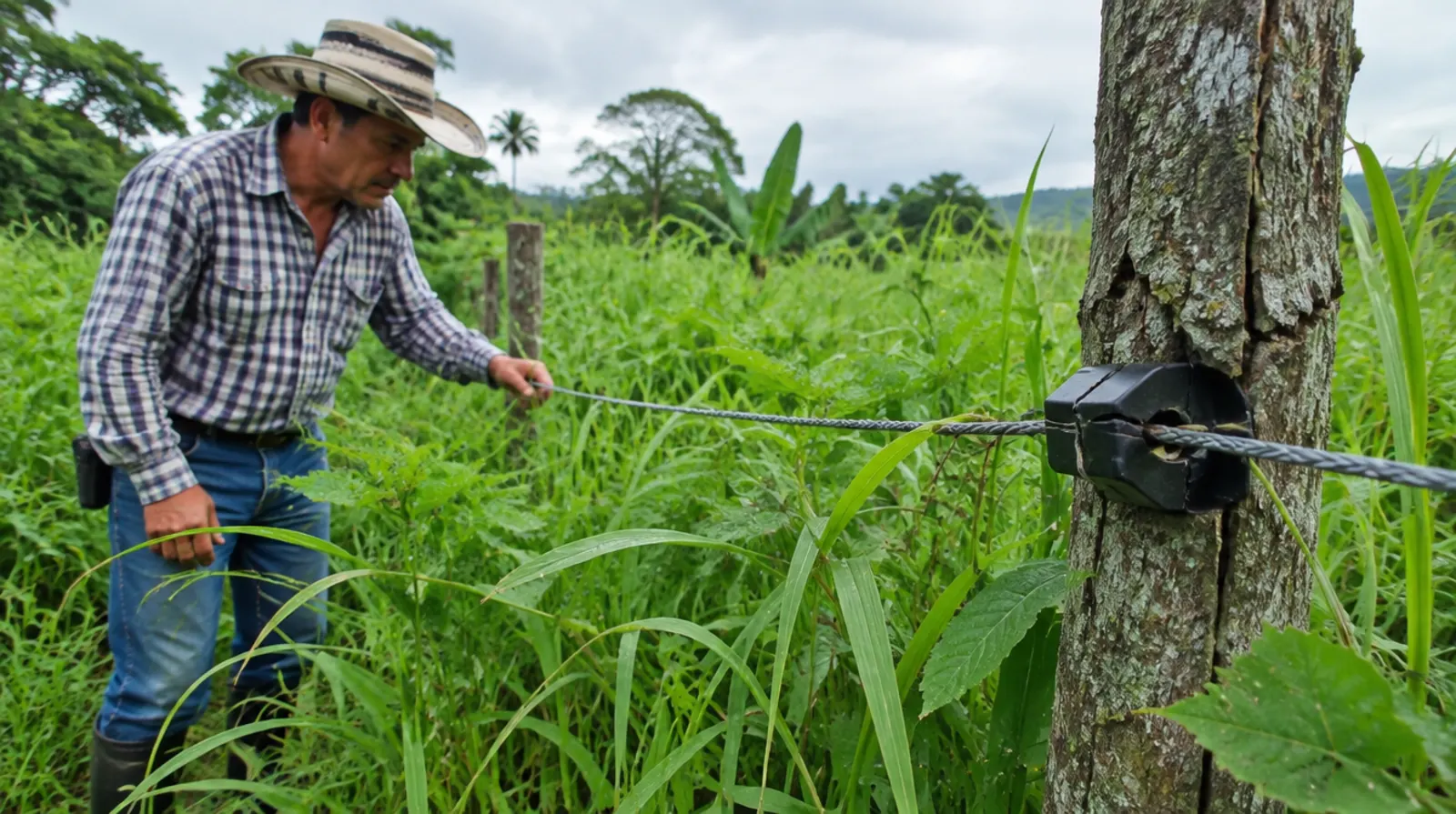
- Ratchet strainer (reel tightener): mounts on the end post or in the line. You wind the wire with a handle and a ratchet locks it. The most common type, and easy to re-tension.
- In-line strainer: sits in the middle of a run, joining two wire ends. Handy when you don't want to work at the corner posts.
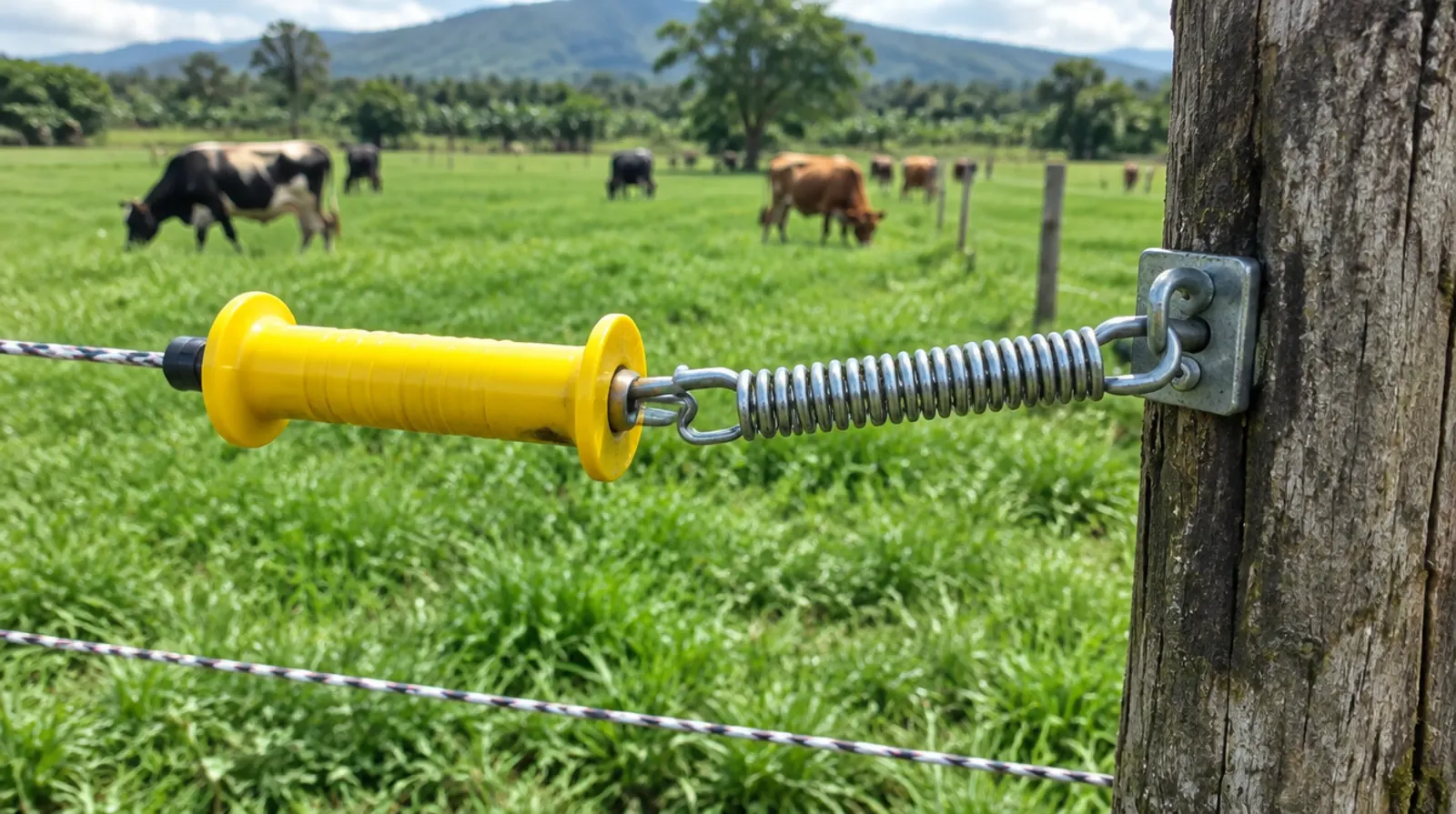
- Tension indicator spring: some systems include a spring that shows whether the wire is in the right range and absorbs hits from animals or branches.
- Tape and rope tensioners: designed differently so they don't crush or break the conductive filaments.
Browse models in our electric fence accessories section.
Corner and strain posts
All the wire's load ends at corner, end and gate posts. They need to be:
- Thicker than line posts (treated timber of good diameter, concrete or steel pipe).
- Deeper: as a practical guide, set them deeper than line posts, often a third of their length or more depending on the soil.
- Well compacted: tamp the soil in layers or use concrete in soft ground.
For a gentle direction change (under about 30 degrees), a reinforced line post with a corner insulator is often enough. Sharp changes and 90-degree corners need a braced strain post. For post materials and sizes, see posts and rods for electric fence.
Brace or guy wire: which to use
There are three main ways to keep a corner post from leaning:
- Diagonal brace: a timber running from the top of the corner post down to the ground on the fence side, resting on a base block. It works in compression and takes up little room outside the paddock.
- Guy wire (deadman anchor): a wire from the top of the post to a buried anchor (a timber, rock or concrete "deadman") on the side opposite the pull. It works in tension, is very effective and cheap, but takes up space and must be clearly visible.
- H-brace: two posts joined by a horizontal rail with a tensioned diagonal wire. The sturdiest option for long runs with several high-tensile strands.
| Situation | Recommended bracing |
|---|---|
| 90° corner, 1-2 strands | Guy wire or diagonal brace |
| 90° corner, 3+ strands or long runs | H-brace |
| Gentle direction change | Reinforced post with corner insulator |
| Start or end of a line | Strain post with guy wire or H-brace |
| Gate | Both posts built as strain posts |
Guy wires and electricity
The guy wire must not touch any hot strand, or it becomes a direct short to ground. If contact is possible, add a strain insulator to the guy wire or keep generous spacing. Also mark the guy wire with bright tape or a plastic sleeve so people and horses don't trip on it.
How to build a guyed corner with a tensioner, step by step
- Set the corner post deeper than the line posts and compact it well.
- Install the deadman. Bury a timber, rock or concrete block deep, on the side opposite the fence direction, at a distance roughly equal to the post height.
- Run the guy wire from the top of the post to the deadman and tighten it until the post is solid and leaning very slightly outward.
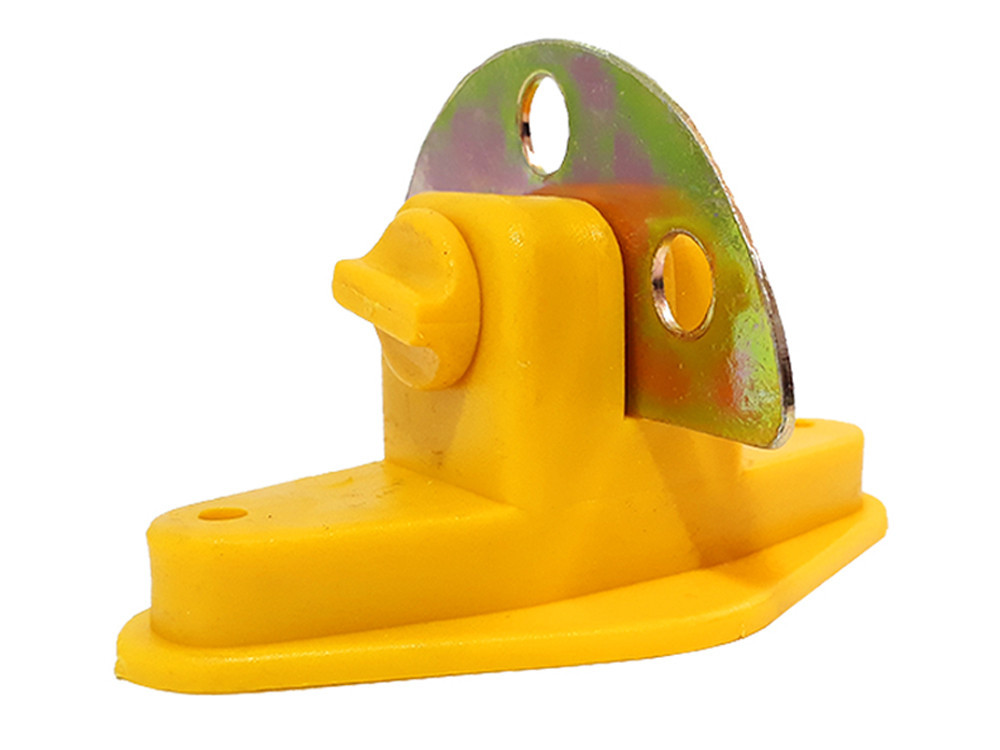
- Fit corner or strain insulators on the post, one per strand, at the right heights.
- Tie off the fence wire at the start insulator and run it through the line insulators to the next corner.
- Install the tensioner on the end post or in-line and tighten gradually, one strand at a time.
- Check alignment: line posts shouldn't be pulled crooked by the tension.
- Re-tension after a few weeks. New wire settles and loses some tension.
Hilly and rolling ground
On hillside properties the fence rises and falls. In dips, the wire tends to lift posts out of the ground; on crests, it pushes them down. To handle that:
- In dips, anchor the post or add a downward guy wire so the wire can't pull it up.
- On crests, use sturdier posts or an intermediate strain post.
- On steep sections, break the fence into shorter runs with intermediate strain posts, each with its own tensioner.
How many tensioners do you need?
The usual rule is at least one tensioner per strand on every straight run between strain posts. On very long runs of several hundred yards, split the line with intermediate strain posts so tension stays even and, if a wire breaks, the damage doesn't take out the whole line.
Maintaining tensioners and corners
- Check tension at the start of each wet and dry season; temperature swings expand and contract the wire.
- Make sure corner posts haven't leaned or loosened.
- Check guy wires for rust and firmness.
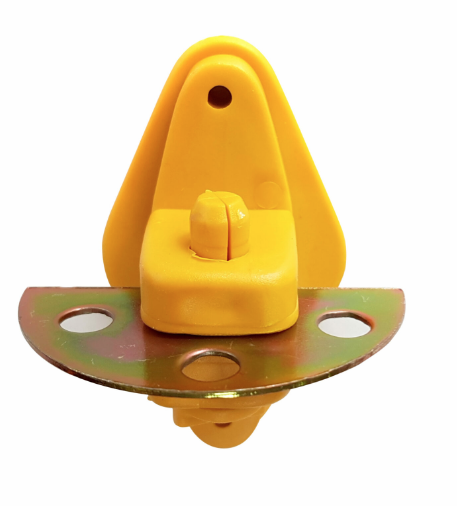
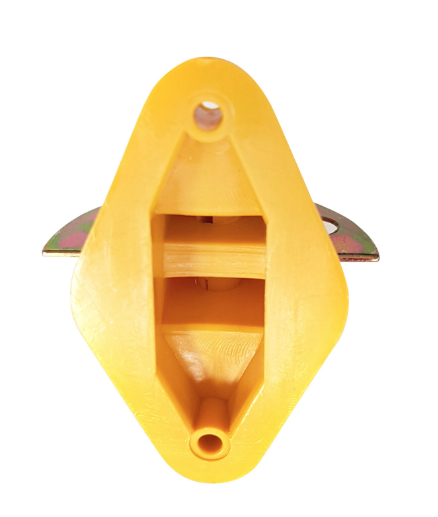
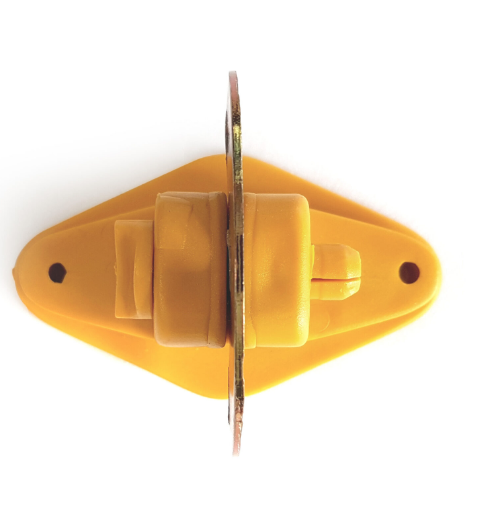
- Replace cracked corner insulators, which carry more load than line insulators.
A fence that keeps losing tension usually has weak corners. To review the full build, see how to install an electric cattle fence step by step.
A solid fence starts at the corners
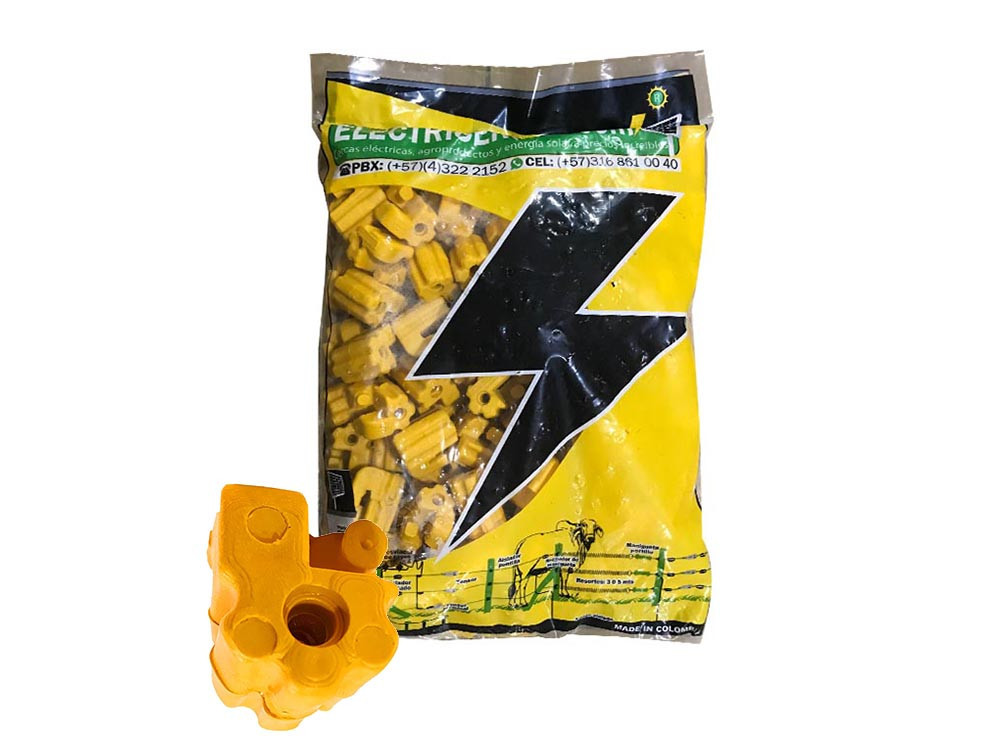
Electricercas has helped ranchers build fences that last since 2014, with more than 11,000 orders delivered from Medellín, Colombia, and international shipping available. Find tensioners, corner insulators and bracing hardware in our electric fence accessories, wire in fence wire and insulators in electric fence insulators. Work out the full materials list with our acreage-based calculator or read the installation manuals. Got a tricky corner? Contact us on WhatsApp at +57 305 453 5264 and we'll help you plan it.
Frequently asked questions
How many tensioners does an electric fence need?
As a rule, at least one tensioner per strand on every straight run between strain posts. On very long runs, add intermediate strain posts, each with its own tensioner.
Guy wire or diagonal brace: which is better?
Both work. A guy wire is cheap and very effective but takes up space outside the fence and must be marked. A diagonal brace takes less room. For corners with many strands or long runs, an H-brace is the sturdiest.
Can I over-tighten electric fence wire?
Yes. Too much tension stretches and weakens the wire, pulls off insulators and leans corner posts. Aim for firm, even tension and only tighten as much as needed.
Why does my fence keep going slack?
New wire settles in the first few weeks and temperature changes make it expand. If it loosens often, check whether your corner posts are leaning from inadequate bracing.
Need help with your fence?
We ship worldwide. Message us and an advisor will help you choose the right setup.