Which Electric Fence Energizer to Buy: Sizing by Miles and Acres
Electricercas team · October 6, 2026 · 5 min read
Key takeaways
- Size by miles of wire, not just acreage
- Compare output joules, not stored joules
- Cattle: at least 3,000–4,000 V at the far end
- Leave margin for weeds, rain and new paddocks
- Check the ground system before replacing the unit
Choosing the energizer is the single most important decision in an electric fence. An undersized unit loses its punch the moment weeds grow in; an oversized one costs more than it should, and if it's poorly installed it won't perform either. This guide explains how to pick an electric fence energizer (also called a fence charger) by fence length, acreage, livestock type and the power source available on your property, using criteria you can apply before you buy.
What an energizer does and why they're not all equal
The energizer takes power from the grid, a battery or a solar panel and converts it into short, high-voltage pulses, roughly one per second. When an animal touches the wire, it completes the circuit to ground and gets a brief, unpleasant but safe shock.
What separates one fence charger from another is not just the voltage printed on the box, but:
- Pulse energy (joules): this is what actually determines how much fence it can power and how much vegetation load it can handle.
- Voltage under load: how much voltage it holds when the fence has real-world leakage.
- Power source: mains (110/220 V), 12 V battery or solar.
- Lightning protection and the quality of internal components.
Output joules vs. stored joules
Many manufacturers advertise "stored joules," the energy held in the capacitor. What reaches the fence is "output joules," which is always lower. When comparing models, compare the same number across all of them.
How to size an energizer by miles and acres
The key figure isn't acres, it's miles (or kilometers) of electrified wire. Two 50-acre farms can need very different energizers if one has a single perimeter fence and the other is split into 30 paddocks.
Sizing step by step
- Measure the perimeter of each paddock or strip.
- Multiply by the number of electrified strands.
- Add up all runs and convert to miles or kilometers.
- Adjust for weeds: if the fence will contact tall grass, build in a generous margin.
- Choose an energizer whose real-world capacity (not the box rating) covers that total with room to spare.
A quick reference: a square 1-hectare (2.47-acre) paddock has 400 m (1,312 ft) of perimeter. Ten hectares (about 25 acres) in one square is roughly 1,265 m (0.8 mile). Divide that same land into rotational strips and the distance climbs fast. That's why our fence calculator works out fence length from area and layout.
Rough energy guide by fence length
Manufacturers rate capacity under ideal conditions. In practice, with weeds and rain, these approximate ranges are a safer guide:
| Electrified wire length | Approximate output energy | Typical use |
|---|---|---|
| Up to 5 km (3 mi) | 0.3–0.5 J | Garden, dogs, small paddock |
| 5–15 km (3–9 mi) | 0.5–1.5 J | Small cattle farm |
| 15–40 km (9–25 mi) | 1.5–4 J | Mid-size operation with rotation |
| 40–80 km (25–50 mi) | 4–8 J | Extensive ranching |
| Over 80 km (50 mi) | 8 J or more | Large ranches, heavy weeds |
Treat these as general guidance, not a guarantee. A good-quality energizer with a solid ground system outperforms a powerful one with a poor ground.
Choose by livestock type
Each species has different hair, hide and temperament. As a general reference:
| Animal | Recommended minimum fence voltage | Notes |
|---|---|---|
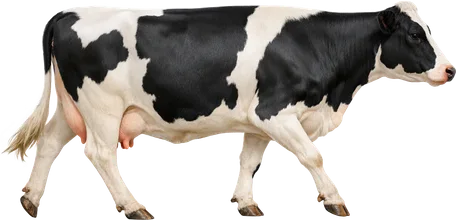
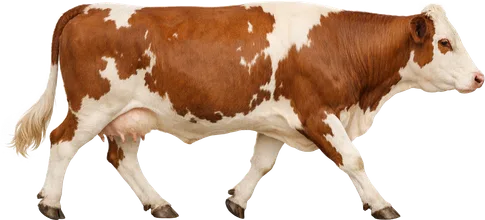
| Beef and dairy cattle | 3,000–4,000 V | The most common application |
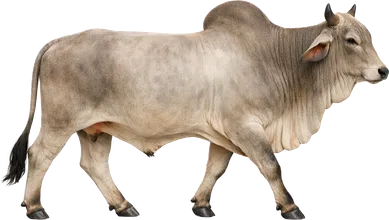
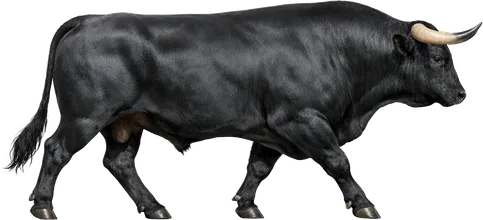
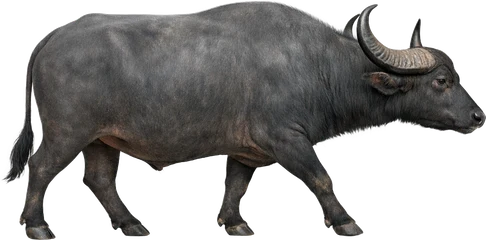
| Water buffalo and bulls | 5,000 V or more | Higher pulse energy |
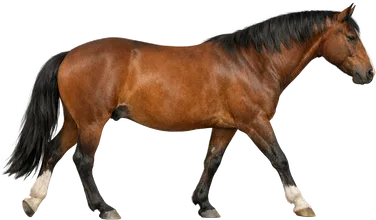
| Horses | 2,000–3,000 V | Highly visible tape works best |
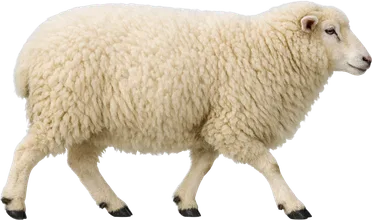
| Sheep and goats | 4,000–5,000 V | Wool insulates; more strands, more voltage |
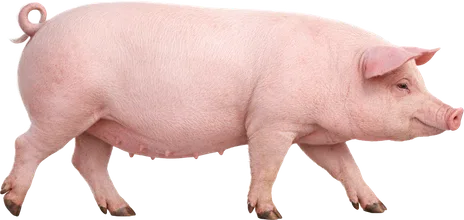
| Pigs | 2,000–3,000 V | Low wires, close to the ground |
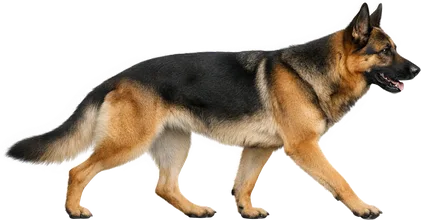
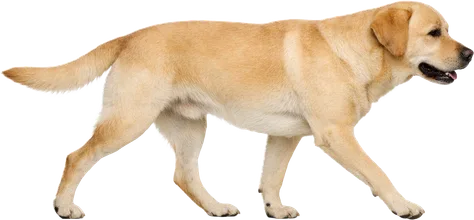
| Dogs and wildlife | 4,000 V or more | Netting or multiple strands |
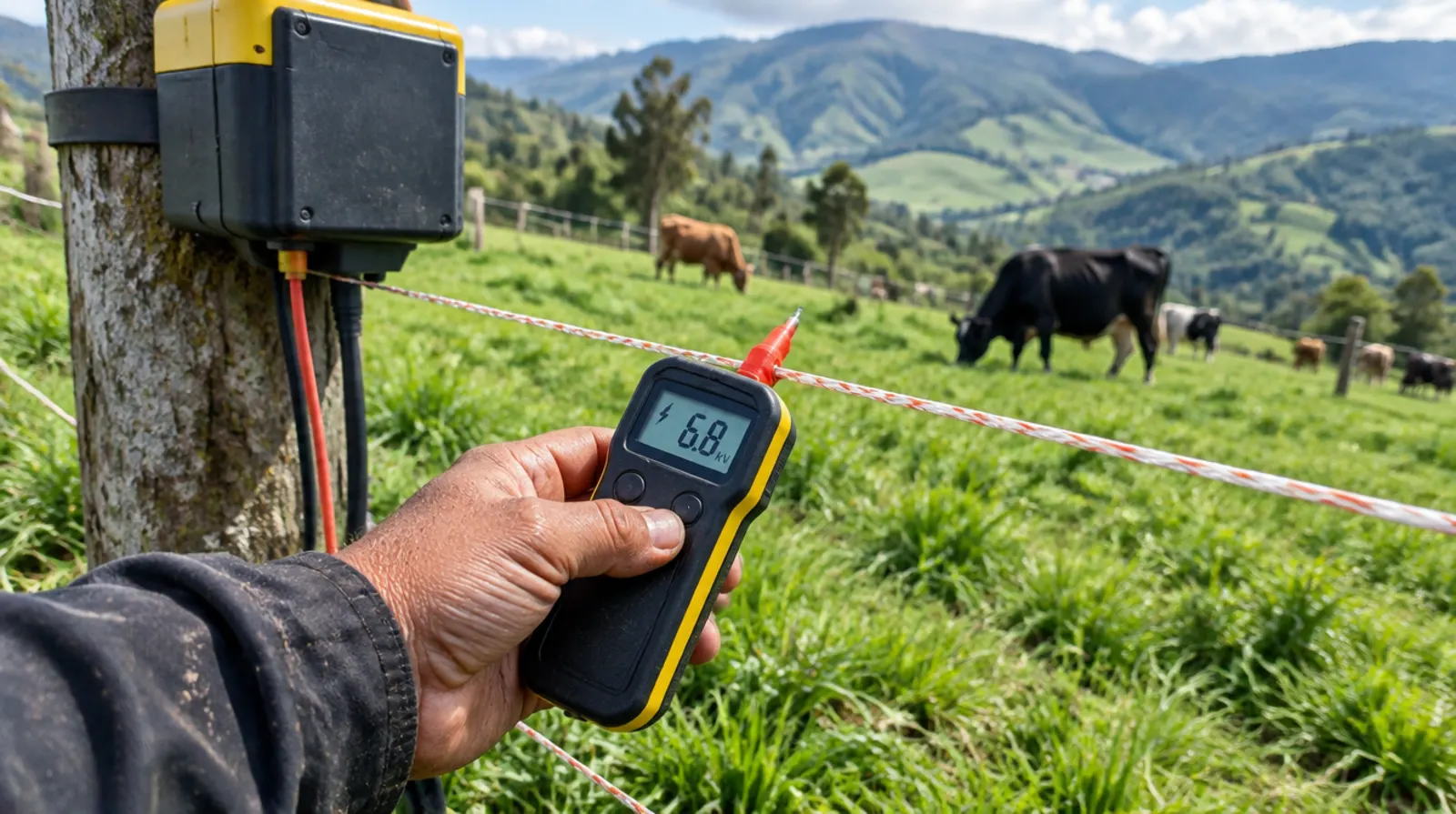
Measure these at the far end of the fence, not at the energizer terminal.
Power source: mains, battery or solar
Mains-powered (110/220 V) energizer
If you have grid power near the pasture, it's the cheapest option long-term and delivers the most power. Mount it under cover with its own ground and lightning protection. See our energizers.
12 V battery energizer
Handy for remote paddocks or temporary fences. You'll need to recharge or swap the battery often, so it's usually paired with a panel.
Solar energizer
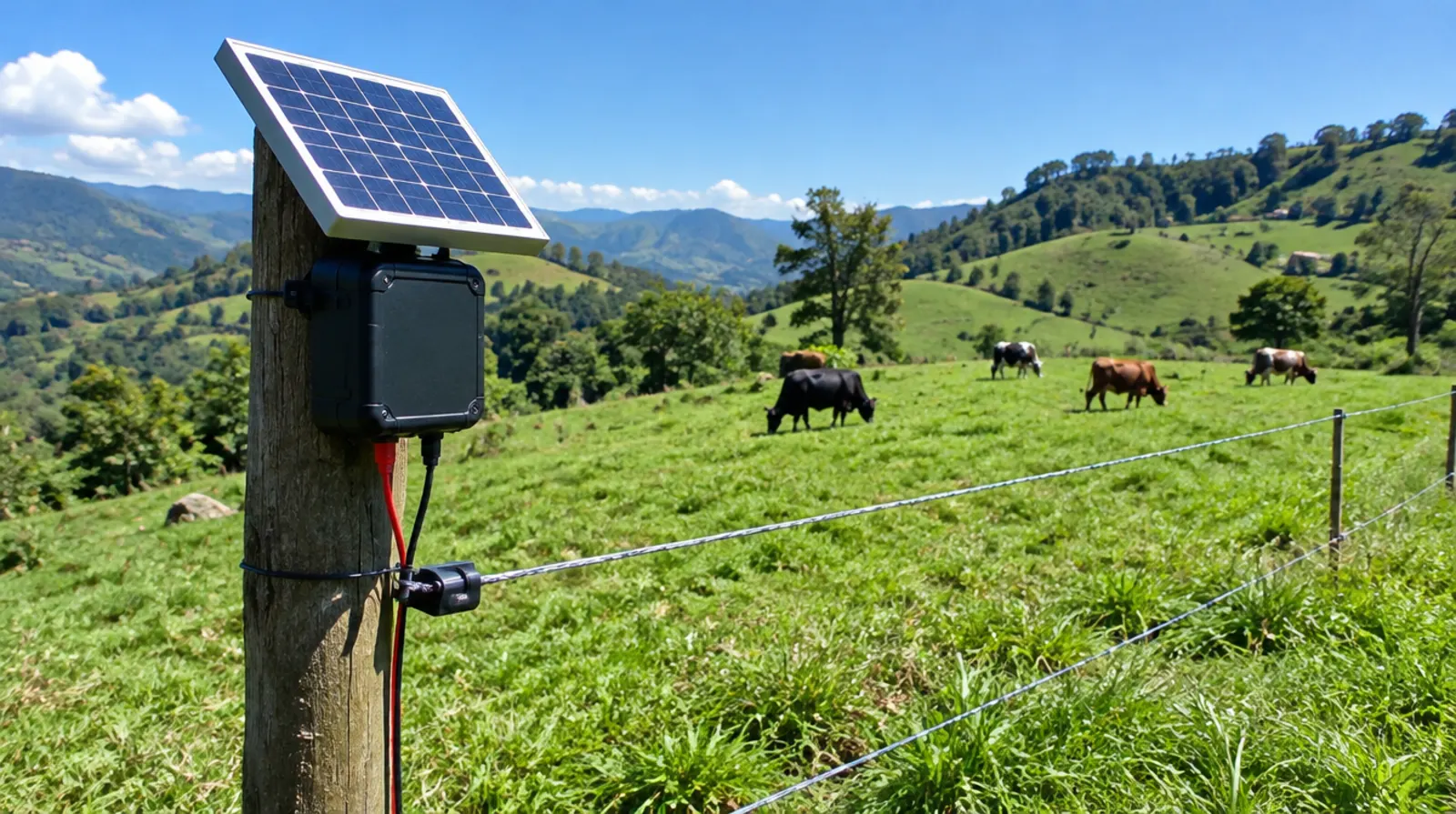
For off-grid pastures, a solar setup (panel, charge controller, battery and energizer, or an all-in-one unit) eliminates power costs and battery runs. We cover it in depth in solar electric fence: benefits and sizing, and you can browse solar energizers.
Signs your energizer is undersized
- Voltage at the end of the line drops sharply when it rains or grass grows.
- Cattle start pushing their heads between strands.
- You have to mow weekly just to keep the fence "hot."
- You added paddocks and voltage fell by half.
Before you replace the energizer, rule out the ground system: poor grounding is very often the real culprit. See our guide on electric fence grounding.
Pre-purchase checklist
- I calculated actual wire length, not just acreage.
- I know which animals I'm containing and the voltage they need.
- I chose a power source: mains, battery or solar.
- I accounted for vegetation and the rainy season.
- I left room to grow (new paddocks or strips).
- I budgeted for ground rods, a lightning diverter and insulated cable.
- I have a fence voltmeter to test the line.
Accessories that go with the energizer
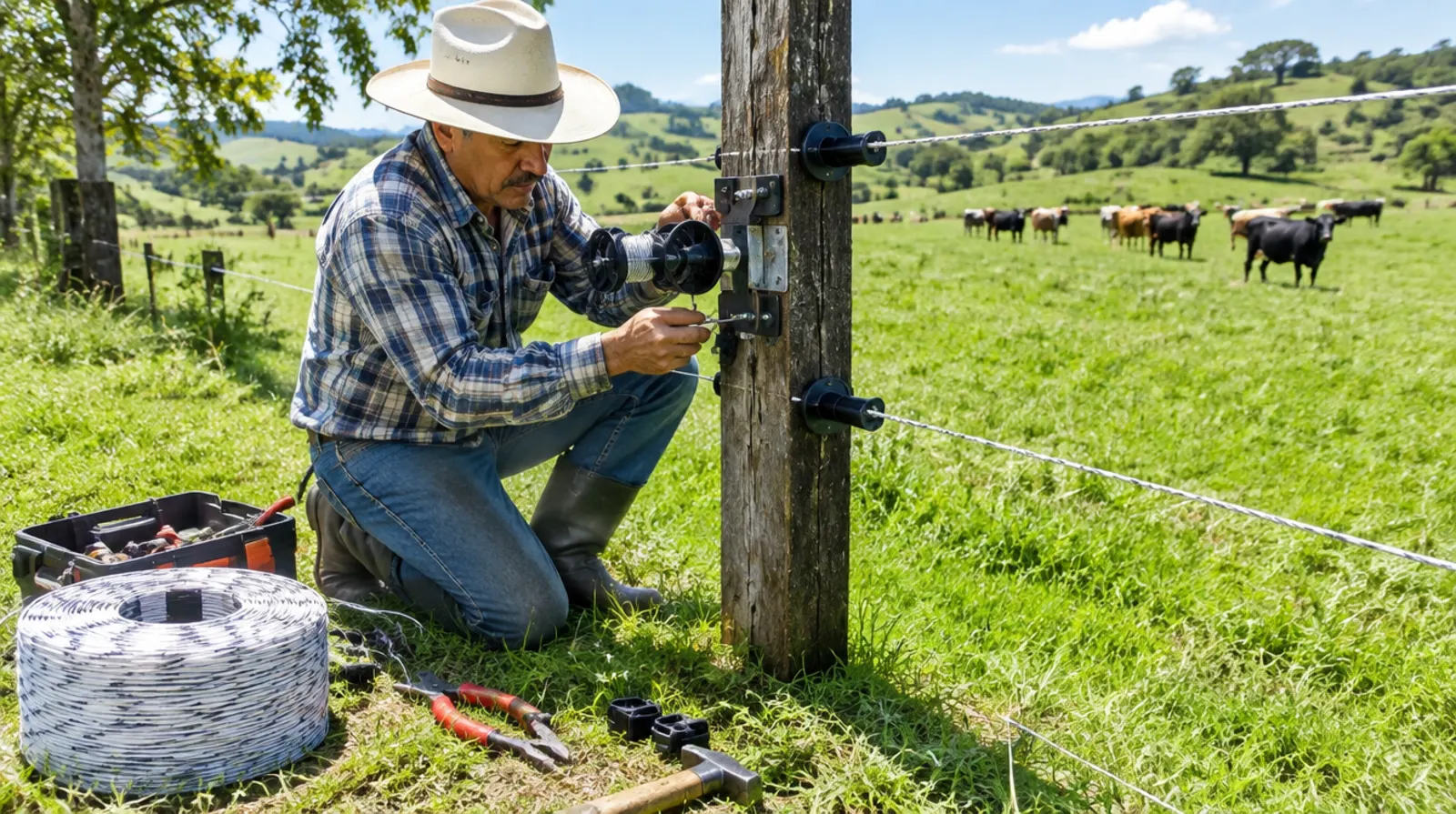
An energizer is only as good as what surrounds it. You need insulated high-voltage lead-out cable to the fence and ground, copper or galvanized ground rods, a lightning diverter, cut-out switches to isolate sections, and a digital voltmeter. Find them in electric fence accessories. Starting from scratch? Follow our guide on how to install an electric cattle fence step by step and our installation manuals.
Safety and regulations
Always use energizers designed for animal fencing: their pulses are limited in energy and duration so they don't cause harm. Never connect a fence directly to mains power or use homemade devices. Electrical codes vary by country (in Colombia, installations fall under RETIE), so check current local rules with a licensed electrician, especially when the energizer plugs into a home or farm electrical system. Post warning signs wherever people walk near the fence.
Find your energizer at Electricercas
If you already know how many miles you'll electrify, try our fence calculator and we'll suggest the energizer and a full materials list. Prefer to talk to someone? Contact us on WhatsApp at +57 305 453 5264 or email [email protected]. Since 2014 we've shipped from Medellín, Colombia, to customers nationwide and internationally, with more than 11,000 orders delivered. Browse the full catalog under products.
Frequently asked questions
How many joules does my electric fence need?
It depends on wire length and vegetation load. As a rough guide, 0.5 to 1.5 joules handles small farms up to about 9 miles (15 km) of wire, while extensive ranches typically need 4 joules or more.
Is a mains or solar energizer better?
If grid power is close by, a mains energizer is more powerful and cheaper to run long-term. For off-grid pastures, solar removes battery runs and has no energy cost.
Why isn't my new energizer giving good voltage?
The most common cause is an inadequate ground system, followed by vegetation leaks, broken insulators or loose splices. Test the ground and walk the line with a voltmeter before replacing the unit.
Is a more powerful energizer dangerous?
Energizers built for livestock fencing limit pulse energy and duration. Always use purpose-built units, post warning signs and follow your local electrical regulations.
Need help with your fence?
We ship worldwide. Message us and an advisor will help you choose the right setup.
Products for this topic
See all →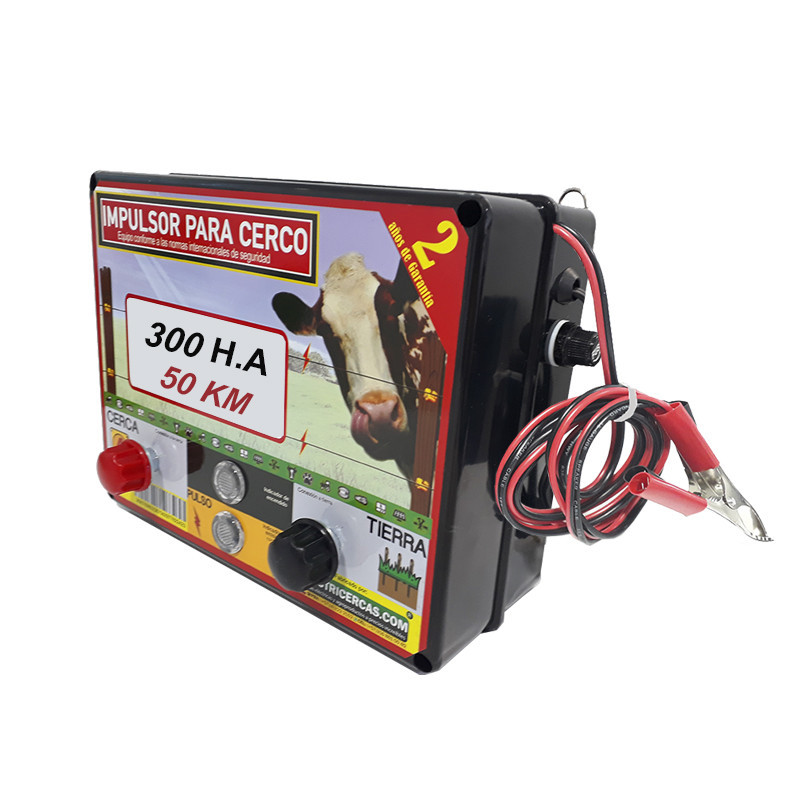
Impulsor B 50 Km (300 Hectáreas) De Batería 12 VTS
1 Unidad(es)
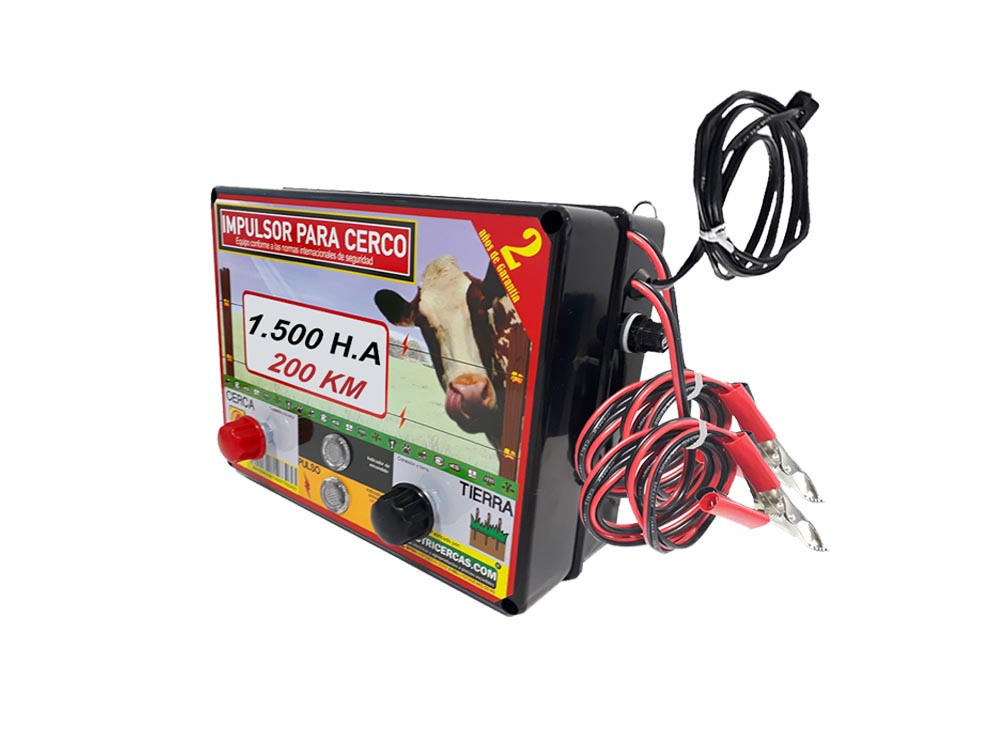
Impulsor D 200 KM (1500 Hectáreas) De Corriente 110 VTS & Batería 12 VTS
1 Unidad(es)
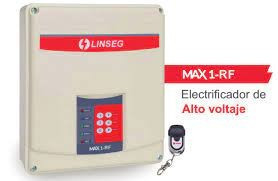
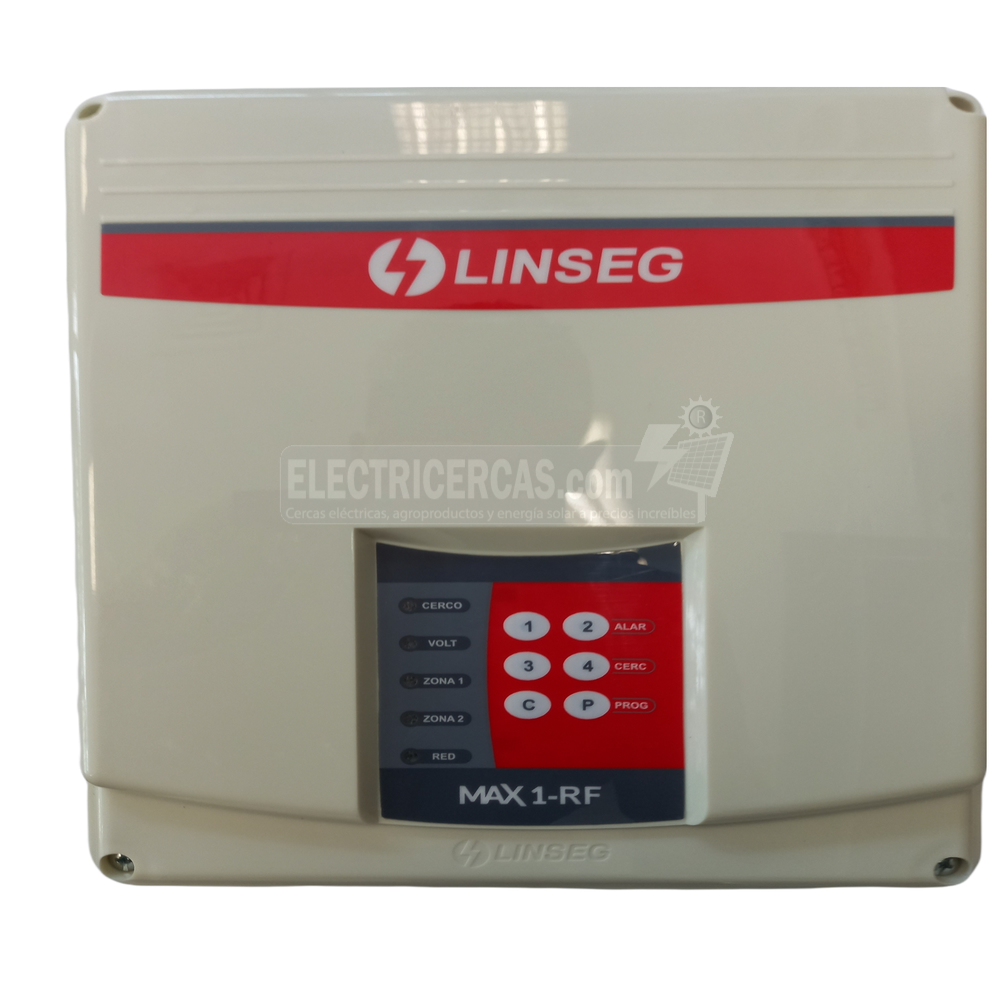
Impulsor perimetral Linseg para 1500 metros lineales con teclado y control remoto
1 Unidad(es)
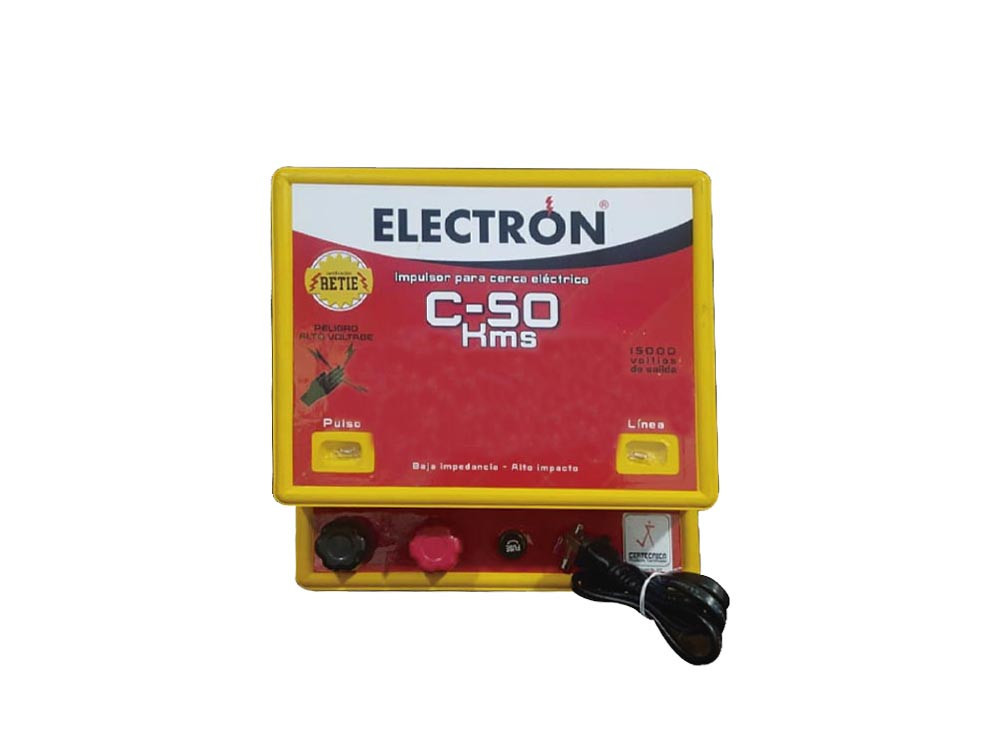
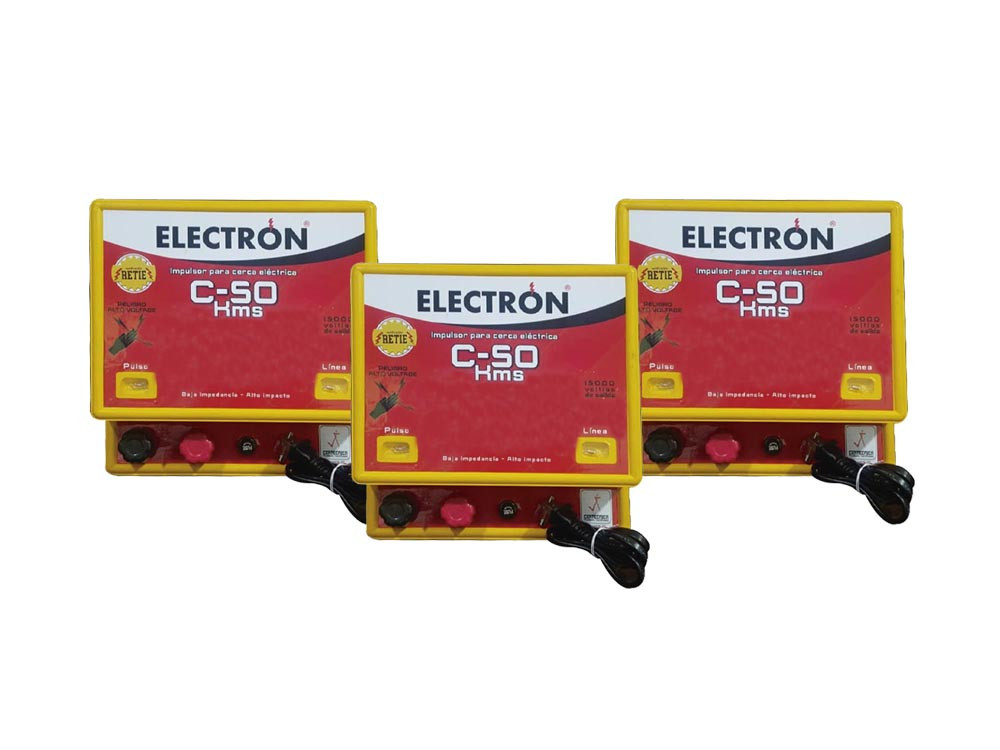
Impulsor C-50Km Marca Electrón
1 Unidad(es)