Wire, Tape or Polyrope: Which Electric Fence Conductor to Use
Electricercas team · October 20, 2026 · 5 min read
Key takeaways
- Wire for long, permanent perimeter fences
- Aluminum conducts better and won't rust
- Polytape: top visibility, ideal for horses
- Polyrope: the go-to for portable rotation fences
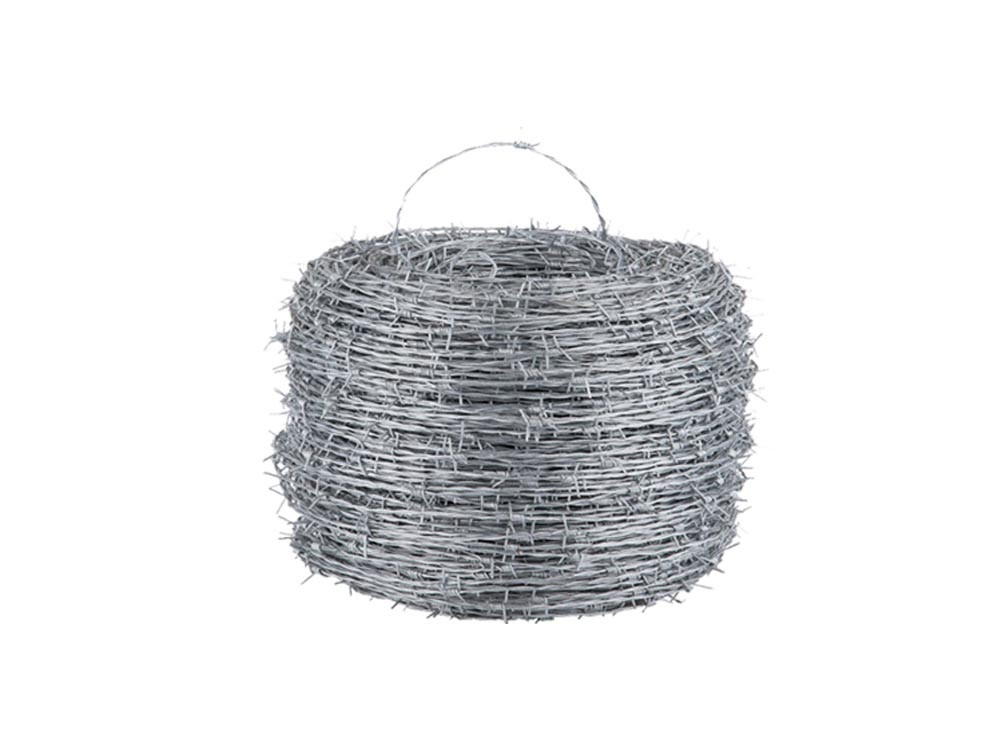
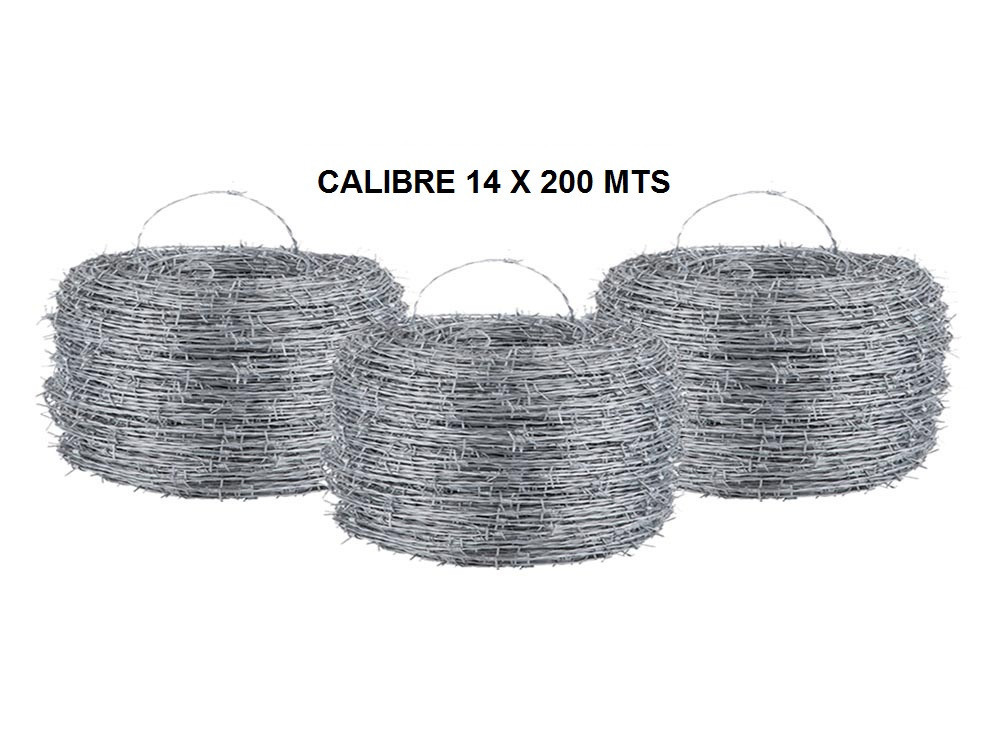
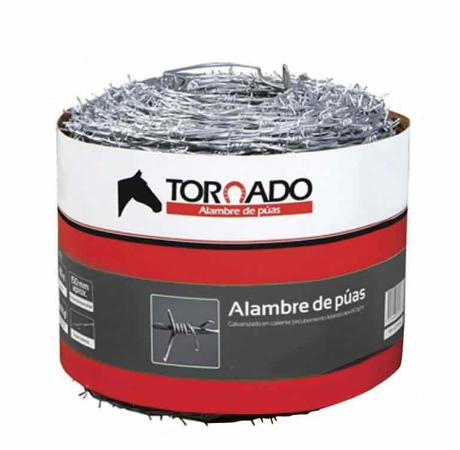
- Never electrify barbed wire
The conductor is what the animal touches, what carries the pulse down the line and, on many farms, the biggest line item in the budget. Choosing between galvanized steel wire, aluminum wire, polytape and polyrope determines how much voltage reaches the far end of your electric fence, how long the installation lasts and how visible the fence is to livestock. This guide compares electric fence conductors, explains when each one makes sense and how to avoid the most common mistakes when running them.
What makes a good conductor
An electric fence conductor is judged on four things:
- Electrical resistance: the lower it is, the farther voltage travels. It's expressed in ohms per kilometer (Ω/km) or per mile.
- Mechanical strength: it has to hold tension, survive livestock impacts and the weight of a fallen branch.
- Visibility: an animal that can see the fence respects it more and touches it less.
- Durability: resistance to corrosion, UV and moisture.
No conductor wins on everything. That's why most farms mix materials by purpose: permanent perimeter fences in wire, rotational divisions in tape or rope.
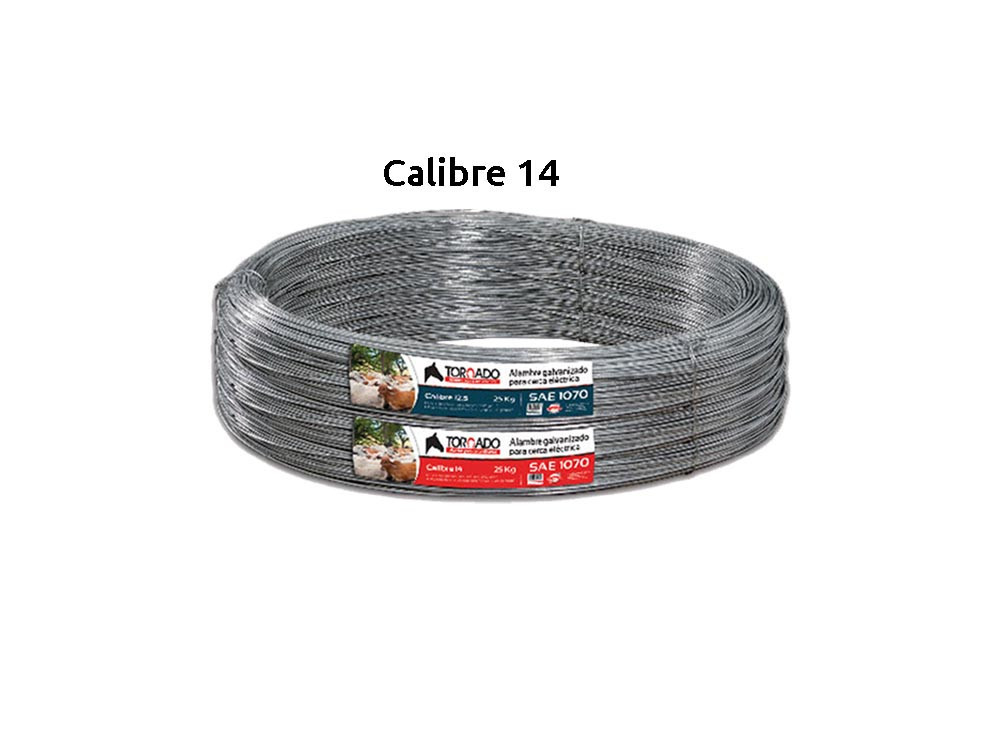
Galvanized steel wire
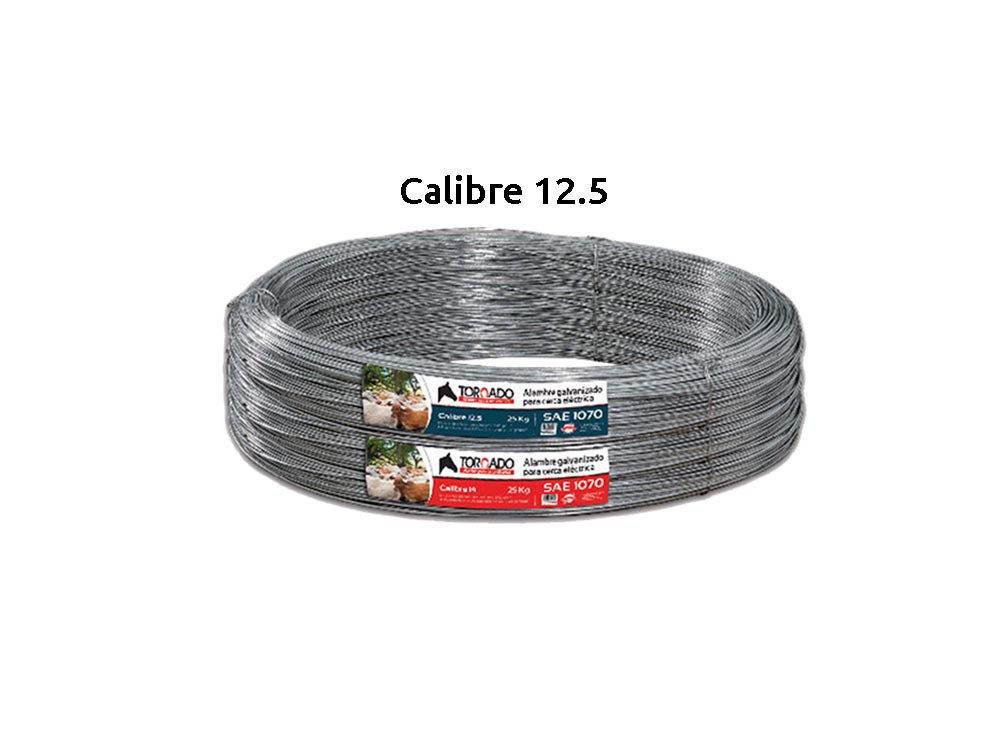
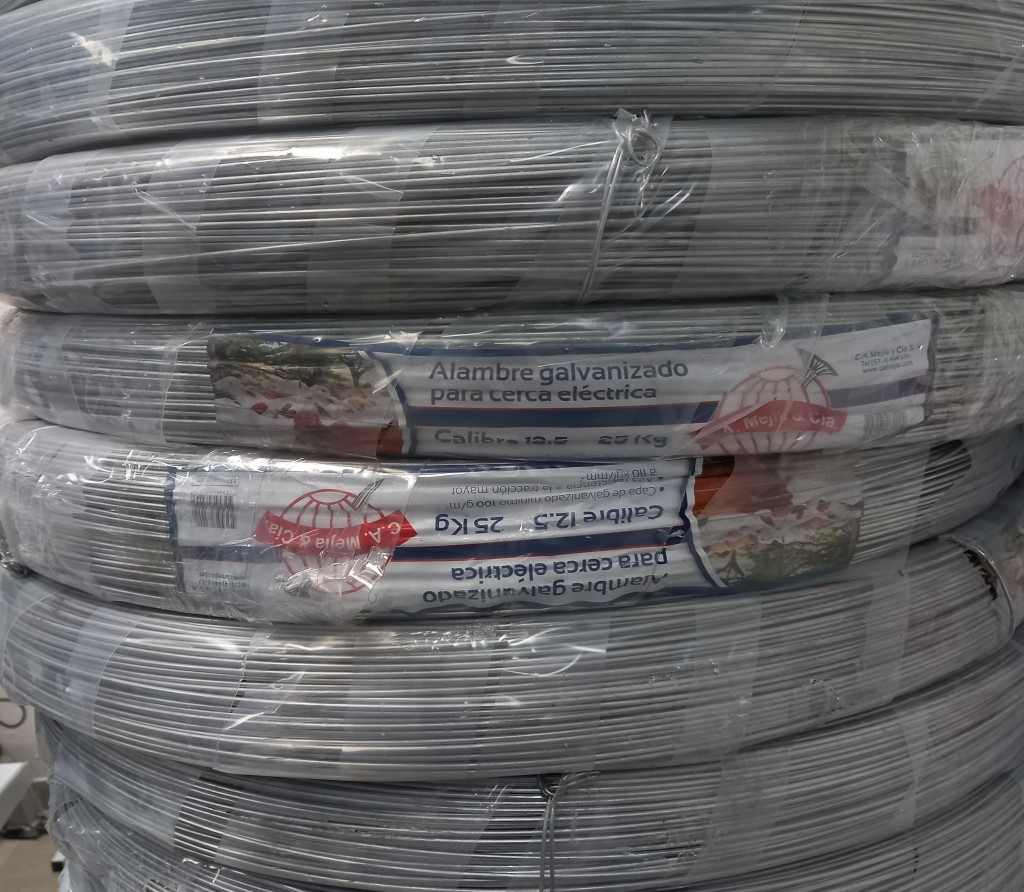
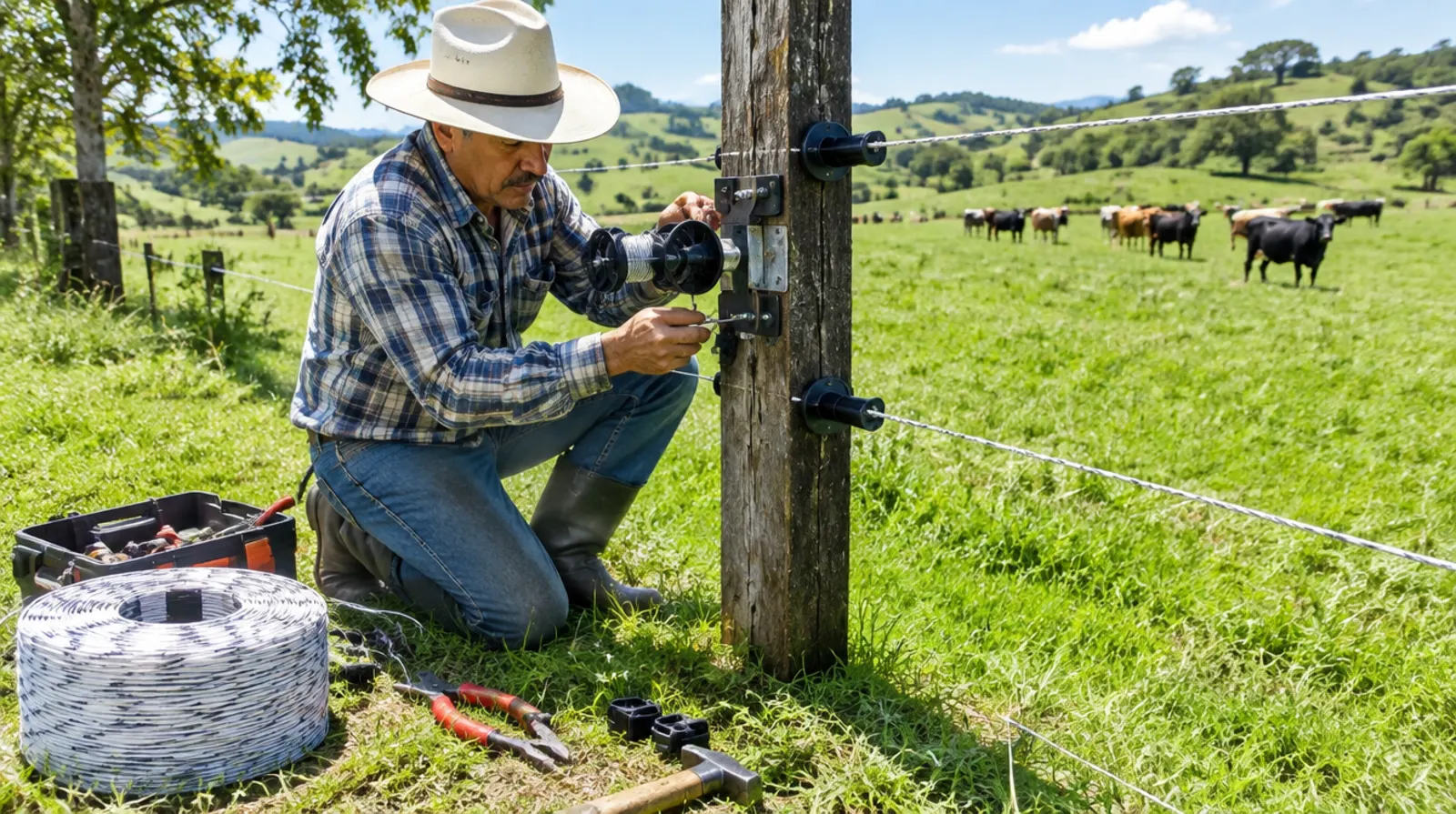
The classic livestock fence conductor. It's strong, inexpensive per foot and lasts many years with good galvanizing. Its electrical resistance is higher than aluminum's, but adequate for most fences.
- Common gauges: 12.5, 14 and 16 (the lower the number, the thicker and more conductive the wire).
- Ideal for perimeter and permanent fences several miles long.
- Low visibility: during the first weeks, add tape or flags so animals learn where it is.
Aluminum wire
Aluminum conducts far better than steel and doesn't rust, which makes it a strong choice for long fences where voltage sags at the far end. It's lighter and easier to handle and holds up in wet or coastal, salty air, though it has lower tensile strength and stretches more. Aluminum-clad steel and aluminum-steel blends combine conductivity with strength.
Polytape
Woven plastic tape with metal filaments (stainless steel, copper or blends). Its big advantage is visibility: animals, especially horses, see it from a distance and respect it.
- Common widths: 1/2 in, 3/4 in and 1.5 in (12, 20 and 40 mm).
- Ideal for horses, training cattle and rotational grazing.
- Downside: wind whips and wears it, and wider tapes need closer post spacing and dedicated insulators.
- Its electrical resistance is higher than wire, so it isn't recommended for very long runs.
Polyrope
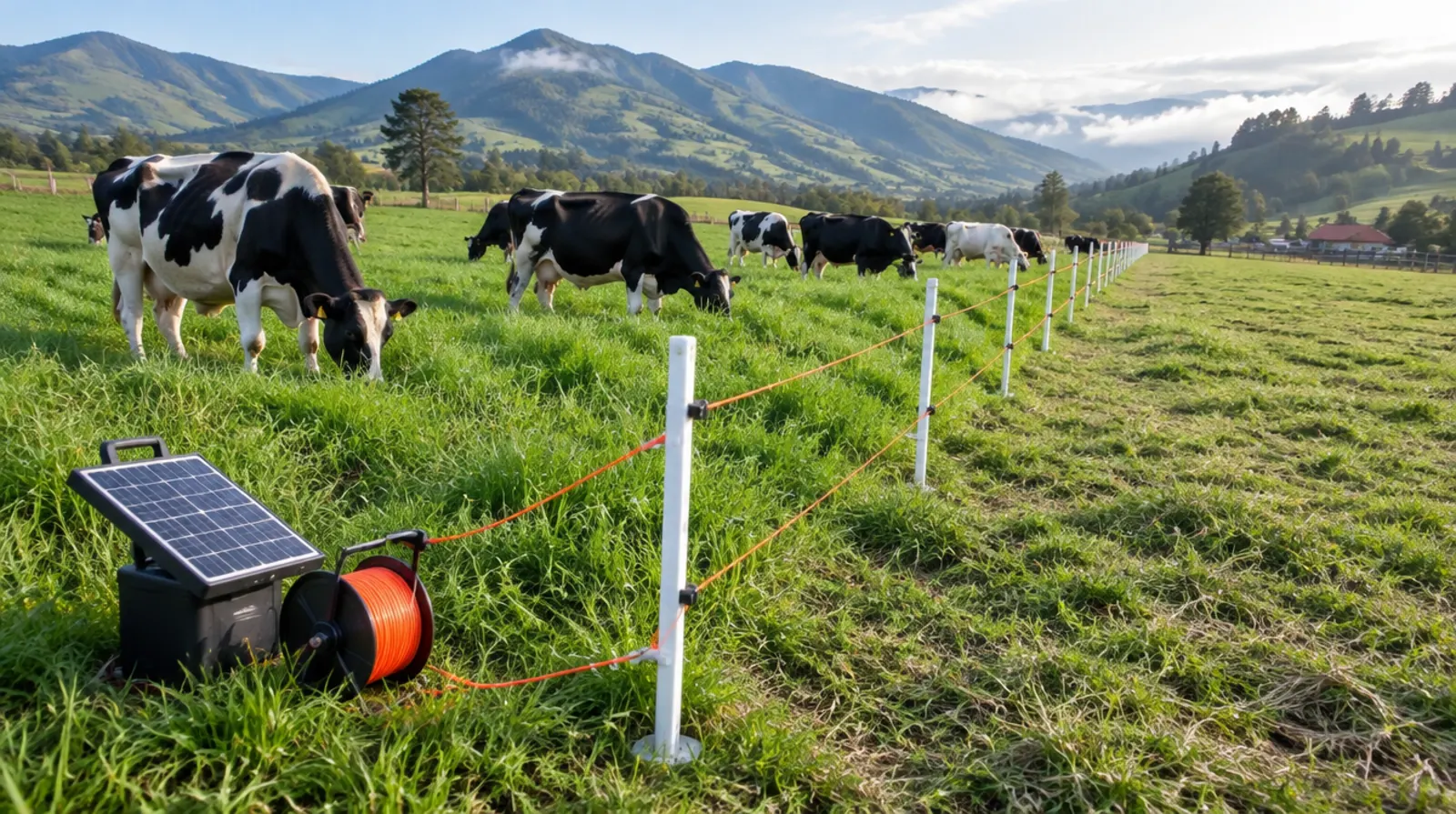
Plastic rope with conductive filaments, more wind-resistant than tape and more visible than wire. It's widely used on portable reel fences and rotational divisions.
- Common diameters: roughly 1/8 to 1/4 in (3 to 6 mm).
- Easy to reel in, move and run out again.
- Like tape, it conducts less than wire, so voltage drops on long runs.
Conductor comparison table
| Conductor | Conductivity | Visibility | Mechanical strength | Best use |
|---|---|---|---|---|
| Galvanized steel wire | Good | Low | Very high | Perimeter and permanent fences |
| Aluminum wire | Excellent | Low | Medium | Long fences, wet or coastal areas |
| Polytape 1/2–3/4 in | Low–medium | High | Medium | Rotation, training |
| Polytape 1.5 in | Low–medium | Very high | Medium | Horses, short fences |
| Polyrope | Medium | Medium–high | High | Portable fences, rotation |
Exact resistance values in Ω/km vary widely between brands and models, so check the spec sheet before buying. As a rule, more and thicker conductive filaments mean better conductivity in tape and rope.
Which conductor to choose by use
Cattle perimeter fences
Galvanized or aluminum wire, two or three strands. High strength and good conductivity hold voltage over several miles.
Rotational and strip grazing
Polyrope or narrow polytape on reels with fiberglass or plastic step-in posts. You can move it in minutes and cattle can see it.
Horses
Wide tape or thick rope. Horses spook and run; a visible conductor keeps them from tangling in or getting cut by thin wire.
Sheep, goats and small animals
Electric netting, or several strands of polyrope set close to the ground.
Electrifying an existing barbed-wire fence
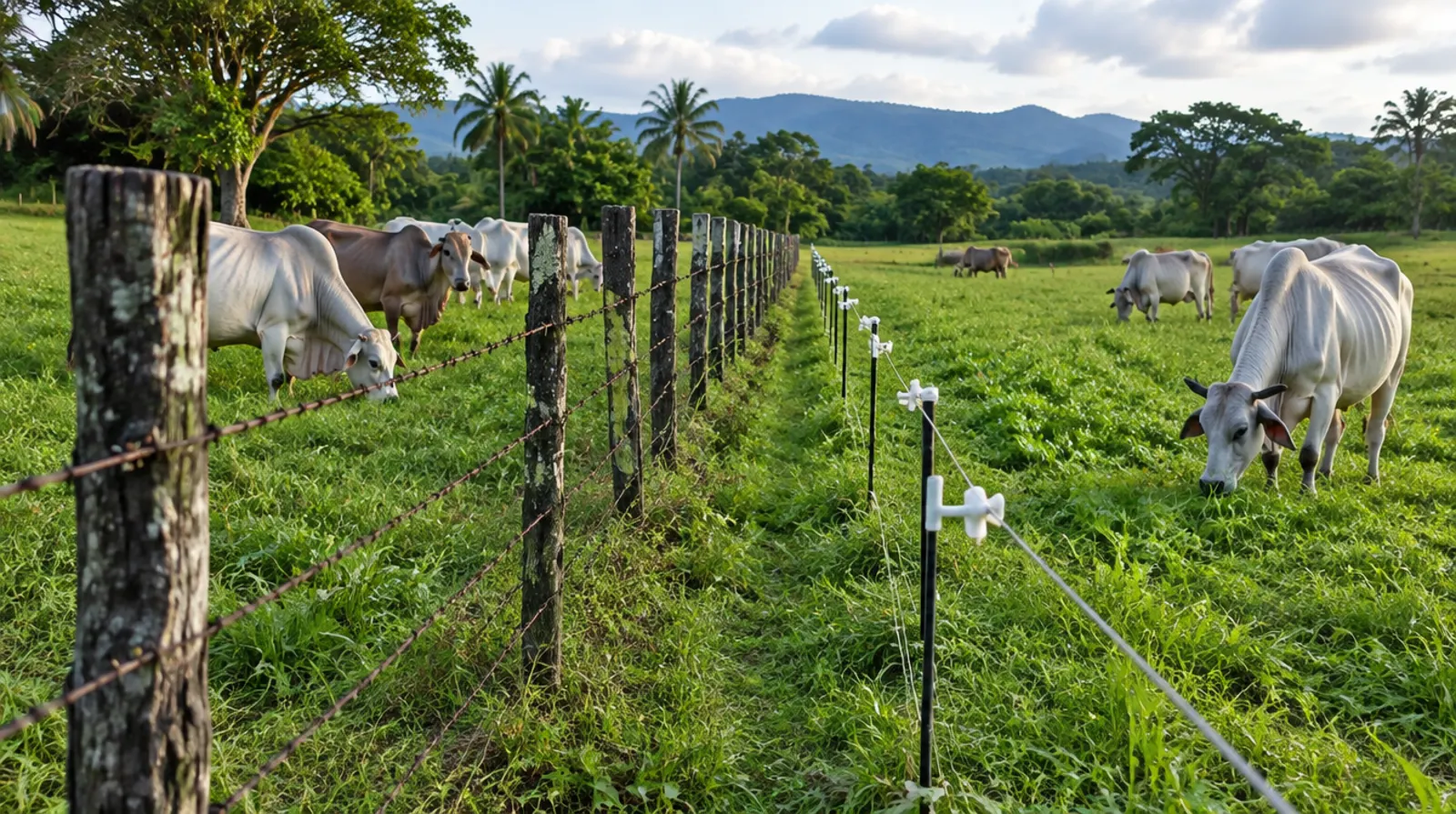
A single galvanized wire on offset insulators, held away from the old fence. Never electrify barbed wire itself: an animal or a person could get caught on it while being shocked.
How to calculate how much conductor you need
- Measure each paddock's perimeter.
- Multiply by the number of strands.
- Add 5% for tie-offs, corners and splices.
- Round up to the nearest commercial roll length.
A square 5-hectare (about 12-acre) paddock has roughly 894 m (2,930 ft) of perimeter; with two strands plus 5%, you need around 1,880 m (6,170 ft) of conductor. Skip the arithmetic with our fence calculator.
Common conductor mistakes
- Splicing copper to galvanized without proper connectors (it corrodes).
- Tying knots in tape that sever the filaments.
- Tensioning tape like wire until it snaps.
- Running tape or rope on a multi-mile perimeter and then wondering why the far end is weak.
- Leaving rusty sections or old knots that add resistance.
Conductor installation checklist
- I matched the conductor to the animal and fence type.
- My insulators fit the conductor (wire, tape or rope).
- I used proper connectors and didn't mix metals.
- Tension is firm but not excessive.
- I tested voltage at the far end of the fence.
Mixing conductors on one farm
You don't have to pick just one. A common, cost-effective layout is a permanent perimeter of two or three galvanized or aluminum wires powered by a strong energizer, with internal paddocks subdivided by polyrope or tape on reels that tap into the perimeter with a jumper lead. That gives you the conductivity and strength of wire where distance matters, and the speed and visibility of poly products where you move fences every few days. Just make sure every connection between different conductors uses a proper clamp, and add a cut-out switch so you can isolate the rotational section without shutting down the perimeter.
Round out your fence
The conductor works together with insulators and the energizer. See types of electric fence insulators to match insulators to your conductor, and which electric fence energizer to buy to keep voltage up along the whole line. Find conductors under fence and barbed wire, insulators under electric fence insulators, and connectors, reels and strainers under electric fence accessories. For setup, see our installation manuals and energizers.
Get a quote from Electricercas
Work out how many feet of wire, tape or rope you need with our fence calculator, or contact us on WhatsApp at +57 305 453 5264 and we'll help you choose for your livestock and terrain. You can also email [email protected]. Since 2014 we've shipped from Medellín, Colombia, nationwide and internationally, with more than 11,000 orders delivered. Browse the full catalog under products.
Frequently asked questions
Is wire or tape better for an electric fence?
It depends on the job. Wire conducts better and handles more tension, so it suits long perimeters; tape is far more visible and works best for horses, training and short rotational fences.
What gauge wire is best for an electric fence?
12.5, 14 and 16 gauge galvanized wire are the most common. Lower numbers are thicker and conduct better; for long fences, use heavier gauge or aluminum wire.
Can you electrify barbed wire?
It isn't recommended. An animal or person can get caught on the barbs while being shocked. Instead, run a smooth live wire on offset insulators beside the barbed fence.
Why does polytape lose voltage on long fences?
Tape and rope carry thin metal filaments with higher resistance than solid wire, so voltage drops over distance. They work best on short divisions tied into a wire perimeter.
Need help with your fence?
We ship worldwide. Message us and an advisor will help you choose the right setup.